
Catalogue Search | MBRL


Are you sure you want to remove the book from the shelf?

{{itemTitle}}
154
result(s) for
"Memory Social aspects Germany."
Sort by:

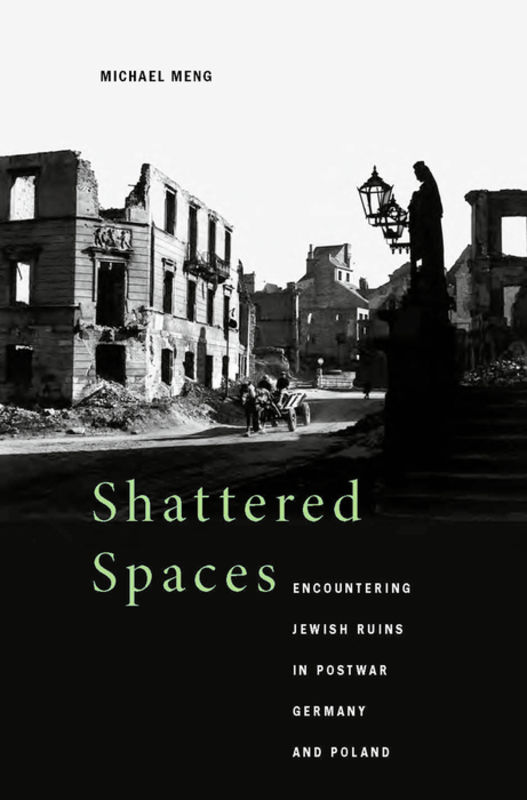
Shattered spaces : encountering Jewish ruins in postwar Germany and Poland
After the Holocaust, the empty, silent spaces of bombed-out synagogues, cemeteries, and Jewish districts were all that was left in many German and Polish cities with prewar histories rich in the sights and sounds of Jewish life. What happened to this scarred landscape after the war, and how have Germans, Poles, and Jews encountered these ruins over the past sixty years?
In the postwar period, city officials swept away many sites, despite protests from Jewish leaders. But in the late 1970s church groups, local residents, political dissidents, and tourists demanded the preservation of the few ruins still standing. Since the collapse of the Soviet Union in 1989, this desire to preserve and restore has grown stronger. In one of the most striking and little-studied shifts in postwar European history, the traces of a long-neglected Jewish past have gradually been recovered, thanks to the rise of heritage tourism, nostalgia for ruins, international discussions about the Holocaust, and a pervasive longing for cosmopolitanism in a globalizing world.
Examining this transformation from both sides of the Iron Curtain, Michael Meng finds no divided memory along West–East lines, but rather a shared memory of tensions and paradoxes that crosses borders throughout Central Europe. His narrative reveals the changing dynamics of the local and the transnational, as Germans, Poles, Americans, and Israelis confront a built environment that is inevitably altered with the passage of time. Shattered Spaces exemplifies urban history at its best, uncovering a surprising and moving postwar story of broad contemporary interest.
eBook


The Cold War
The traces of the Cold War are still visible in many places all around the world. It is the topic of exhibits and new museums, of memorial days and historic sites, of documentaries and movies, of arts and culture. There are historical and political controversies, both nationally and internationally, about how the history of the Cold War should be told and taught, how it should be represented and remembered. While much has been written about the political history of the Cold War, the analysis of its memory and representation is just beginning. Bringing together a wide range of scholars, this volume describes and analyzes the cultural history and representation of the Cold War from an international perspective. That innovative approach focuses on master narratives of the Cold War, places of memory, public and private memorialization, popular culture, and schoolbooks. Due to its unique status as a center of Cold War confrontation and competition, Cold War memory in Berlin receives a special emphasis.
eBook


Migration, memory, and diversity : Germany from 1945 to the present
\"Within Germany, policies and cultural attitudes toward migrants have been profoundly shaped by the difficult legacies of the Second World War and its aftermath. This wide-ranging volume explores the complex history of migration and diversity in Germany from 1945 to today, showing how conceptions of 'otherness' developed while memories of the Nazi era were still fresh, and identifying the continuities and transformations they exhibited through the Cold War and reunification. It provides invaluable context for understanding contemporary Germany's unique role within regional politics at a time when an unprecedented influx of immigrants and refugees present the European community with a significant challenge\"--Publisher description.
Book
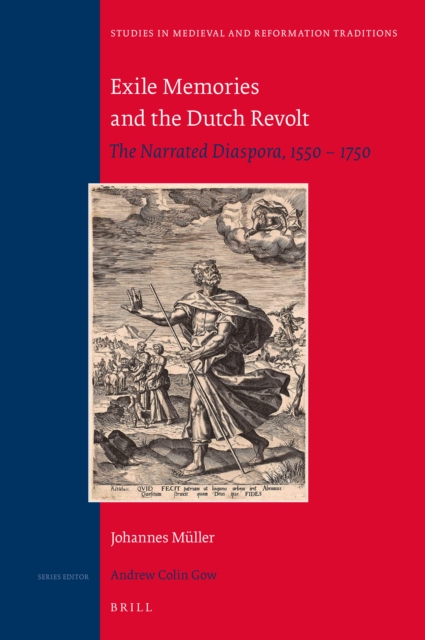
Exile Memories and the Dutch Revolt
Author Johannes Müller shows how early modern Netherlandish migrants and their descendants commemorated war and persecution and cultivated new religious and political identities in the Dutch Republic, England and Germany.
eBook

Civil society and memory in post-war Germany
\"Blending history and social science, this book tracks the role of social movements in shaping German public memory and values since 1945. Drawn from extensive original research, it offers a fresh perspective on the evolution of German democracy through civic confrontation with the violence of its past. Told through the stories of memory activists, the study upends some of the conventional wisdom about modern German political history. An analysis of the decades-long struggle over memory and democracy shows how grassroots actors challenged and then took over public institutions of memorialization. In the process, confrontation of the Holocaust has been pushed to the centre of political culture. In unified Germany, memory politics have shifted again, as activists from East Germany have brought attention to the crimes of the East German state. This book delivers a novel and important contribution to scholarship about post-war Germany and the wider study of memory politics.\"--Provided by publisher.
Book
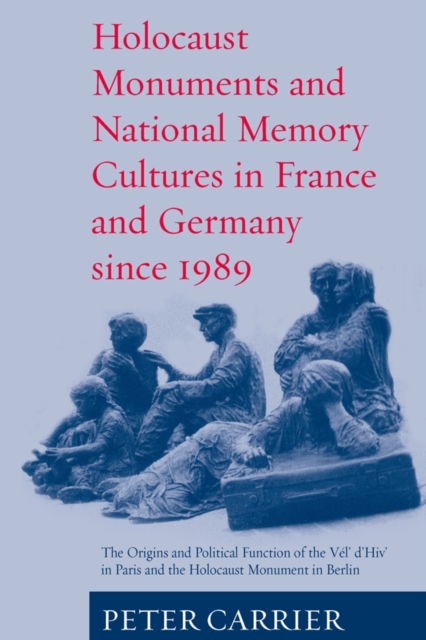
Holocaust Monuments and National Memory
Since 1989, two sites of memory with respect to the deportation and persecution of Jews in France and Germany during the Second World War have received intense public attention: the Vélo d'Hiver (Winter Velodrome) in Paris and the Monument for the Murdered Jews of Europe or Holocaust Monument in Berlin. Why is this so? Both monuments, the author argues, are unique in the history of memorial projects. Although they are genuine \"sites of memory\", neither monument celebrates history, but rather serve as platforms for the deliberation, negotiation and promotion of social consensus over the memorial status of war crimes in France and Germany. The debates over these monuments indicate that it is the communication among members of the public via the mass media, rather than qualities inherent in the sites themselves, which transformed these sites into symbols beyond traditional conceptions of heritage and patriotism.
eBook