
Catalogue Search | MBRL


Are you sure you want to remove the book from the shelf?

{{itemTitle}}
23,691
result(s) for
"Men Employment."
Sort by:


The labor of hope : meritocracy and precarity in Egypt
Technological advancements, expanding education, and unfettered capitalism have encouraged many around the world to aspire to better lives, even as declines in employment and widening inequality are pushing more and more people into insecurity and hardship. In Egypt, a generation of young men desire fulfilling employment, meaningful relationships, and secure family life, yet find few paths to achieve this. The Labor of Hope follows these educated but underemployed men as they struggle to establish careers and build satisfying lives. In so doing, this book reveals the lived contradiction at the heart of capitalist systems—the expansive dreams they encourage and the precarious lives they produce.
Harry Pettit follows young men as they engage a booming training, recruitment, and entrepreneurship industry that sells the cruel meritocratic promise that a good life is realizable for all. He considers the various ways individuals cultivate distraction and hope for future mobility: education, migration, consumption, and prayer. These hope-filled practices are a form of emotional labor for young men, placing responsibility on the individual rather than structural issues in Egypt's economy. Illuminating this emotional labor, Pettit shows how the capitalist economy continues to capture the attention of the very people harmed by it.
eBook


Gender, migration and domestic work : masculinities, male labour and fathering in the UK and USA
Based on studies conducted in the UK and USA, this book investigates the experiences of suppliers and consumers of masculinized domestic services, exploring issues such as increasing inequality, migration, the rise of commoditized domestic services, contemporary masculinities and the gendering of paid work.
eBook

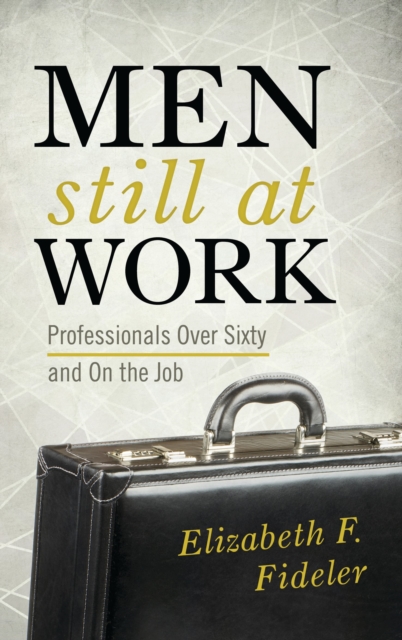
Men still at work
Men Still at Work explores the reasons why many men are continuing to work well beyond the traditional retirement age. In today’s challenging economy, they are the second-fastest growing group of workers (just behind older women). Filled with profiles of older working men, as well as dynamic interview quotes, Men Still at Work explores thorny issues such as masculinity and the “need to provide,” as well as economic issues, job satisfaction, and more.
eBook


Work to Welfare
This book provides a new perspective on joblessness among men. During the last twenty years vast numbers of men of working age have moved completely out of the labour market into 'early retirement' or 'long-term sickness' and to take on new roles in the household. These trends stand in stark contrast to rising labour market participation among women. Based on an unprecedented range of new research on the detached male workforce in the UK, and located within an international context, the book offers a detailed exploration of the varied financial, family and health circumstances 'detached men' are living in. It also challenges conventional assumptions about the boundaries between unemployment, sickness and retirement and the true health of the labour market. Work to Welfare represents an important contribution to debates about the labour market and benefit systems and will be of interest to readers and practitioners in social policy, economics and geography.
eBook

Supermarket
\"Flynn is stuck--depressed, recently dumped, and living at his mom's house. The supermarket was supposed to change all that. An ordinary job, routine hours, a steady check. Work isn't work when it's saving you from yourself. But things aren't quite as they seem in these aisles. Arriving to work one day to a crime scene, Flynn's world begins to crumble as the secrets of his tortured mind are revealed. And Flynn doesn't want to go looking for answers at the supermarket, because something there seems to be looking for him\"-- Provided by publisher.
Book
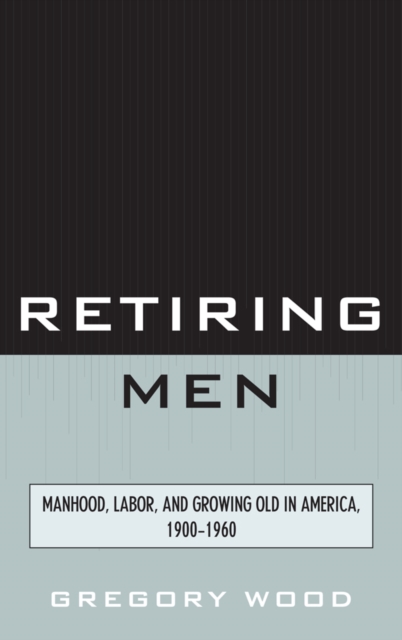
Retiring men
As life spans expanded dramatically in the United States after 1900, and employers increasingly demanded the speed and stamina of youth in the workplace, men struggled to sustain identities as workers, breadwinners, and patriarchs—the core ideals of twentieth-century masculinity. Longer life threatened manhood as men confronted age discrimination at work, mandatory retirement, and fixed incomes as recipients of Social Security and workplace pensions. They struggled to somehow sustain manliness in retirement, a new phase of life supposedly defined by the absence of labor. Ironically, retiring men pursued ways to stay “productive”: retirees created new daily routines of golf and shuffleboard games, tinkered with tools in garages, attended social club meetings, armed themselves for hunting and fishing excursions, and threw themselves into yard work. Others looked for new jobs or business ventures. Only unending activity could help to ensure that the “golden years” would be good years for older men of the twentieth century.
eBook