
Catalogue Search | MBRL


Are you sure you want to remove the book from the shelf?

{{itemTitle}}
270,596
result(s) for
"Metabolism Regulation."
Sort by:

The super metabolism diet : the two-week plan to ignite your fat-burning furnace and stay lean for life!
\"David Zinczenko discloses why some of us stay thin and some of us lose weight with ease and reveals the secret to how you can stay lean for life. The answer lies within your metabolism, the bodys crucial, energy-burning engine that for so many of us is revving at less than half speed. With the help of this book, you can quickly and easily turn your metabolism into a fat-melting machine.\"--Amazon.com
Book
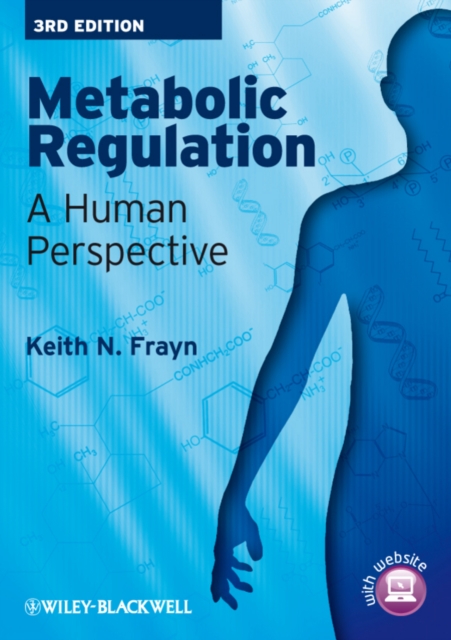
Metabolic regulation
The important Third Edition of this successful book conveys a modern and integrated picture of metabolism and metabolic regulation. Explaining difficult concepts with unequalled clarity, author Keith Frayn provides the reader with an essential guide to the subject. Covering topics such as energy balance, body weight regulation and how the body copes with extreme situations, this book illustrates how metabolic regulation allows the human body to adapt to many different conditions. Changes throughout the new edition include: Extensive chapter updates Clear and accessible 2-color diagrams Q&A sections online at www.wiley.com/go/frayn to facilitate learning Frayn has written a book which will continue to be an extremely valuable tool for scientists, practitioners and students working and studying across a broad range of allied health sciences including medicine, biochemistry, nutrition, dietetics, sports science and nursing.
eBook

Meditate your weight : a 21-day retreat to optimize your metabolism and feel great
\"An international yoga teacher, meditation expert, and health and wellness expert, Tiffany Cruikshank shows readers a whole new way to lighten up: using meditation to explore what's weighing them down physically, emotionally, and mentally so as to maximize metabolism and sustain a healthy weight and body image. Meditate Your Weight is a 21-day weight-loss plan that employs a daily journaling and meditation practice to coach readers through the various mental blocks, thoughts, habits, and behaviors that stand in their way of living in strong, healthy, and well-loved bodies\"-- Provided by publisher.
Book

Metabolism‐Regulating Nanomedicines for Cancer Therapy
Cancer cells undergo significant metabolic reprogramming to meet their increased bioenergetic and biosynthetic needs, supporting rapid proliferation and survival. Key metabolic pathways, including those involved in glucose, lactate, amino acid, lipid, and nucleotide metabolism, are altered to facilitate cancer development, maintenance, and metastasis. Therefore, targeting cancer metabolism emerges as a promising therapeutic strategy. However, because of their short half‐life, limited bioavailability, and inadequate specificity in metabolic regulation, these agents often result in unsatisfactory therapeutic outcomes. Recently, innovative nanomedicines that target metabolic processes have gained attention as a promising cancer therapy strategy, potentially helping to overcome the limitations of individual therapies and enhance treatment efficacy. This review provides an overview of tumor metabolic characteristics and explores recent progress in developing functional nanomedicines targeting tumor metabolism for cancer treatment. Finally, this review discusses the challenges and prospects for advancing nanotechnology‐driven metabolic therapies. This review highlights metabolism‐regulating nanomedicines designed to target glycolytic, lipid, amino acid, and nucleotide pathways in tumors. By incorporating metabolism‐regulating agents into versatile nanocarriers such as liposomes, micelles, dendrimers, and engineered bacteria, these platforms achieve targeted delivery, controlled release, codelivery, and multimodal therapies, thereby reprogramming cancer metabolism to enhance therapeutic efficacy.
Journal Article


FGF19 subfamily members: FGF19 and FGF21
Fibroblast growth factors (FGF) constitute a large family of proteins with pleiotropic effects on development, organogenesis, and metabolism. The FGF19 subclass includes growth factors circulating with the blood referred to as endocrine FGF. Representatives of the FGF19 subclass, including FGF19, FGF21, and FGF23, act via FGFR receptors. The proteins of FGF19 subfamily influence the enterohepatic circulation of bile, participate in glucose and lipid metabolism regulation, and maintenance of phosphorus and vitamin D3 homeostasis. FGF19 and FGF21 are activated under different physiological and pathological conditions.
Journal Article

The fat burn revolution : boost your metabolism and burn fat fast
Looking for a way to shed stubborn fat, or wondering why your current exercise programme isn't helping you slim down? Having trouble breaking through a body fat or fitness plateau? The Fat Burn Revolution demystifies fat burning fitness, answering all these questions and more to put you on the right track for the lean body you have always wanted. With insights into the latest fat-loss information used by top personal trainers combined with tried-and-tested metabolism-boosting workout programmes, the Fat Burn Revolution gives you the tools to sculpt your body.
Book


A two-component system MCNtrB/MCNtrC related to nitrogen metabolism in Micromonospora carbonacea
Abstract
Micromonospora carbonacea JXNU-1, a strain of an actinomycete with broad-spectrum antimicrobial activity, isolated from soil samples from the farmland in the area of Yaohu Lake in Nanchang, China, was taken as the object of study in this paper. Bioinformatics analysis revealed that there was a pair of proteins MCNtrB/MCNtrC homologous to the two-component system NtrB/NtrC, which usually exists only in the Gram-negative bacteria and is closely related to the regulation of nitrogen metabolism, in the whole cell protein of M. carbonacea. MCNtrB and MCNtrC, obtained by expression in vitro, were subjected to autophosphorylation and phosphate group transfer experiments. The results showed that MCNtrB had histidine kinase activity with the active site of His115, and MCNtrC can accept the phosphate group from phosphorylated MCNtrB with the active site of Asp33. The yeast two-hybrid experiments showed that MCNtrB and MCNtrC were a pair of proteins with a strong interaction. Overexpression of MCNtrB and MCNtrC in M. carbonacea can affect the expression of key enzymes in cellular nitrogen metabolism, such as glutamine synthetase, glutamate synthase, and glutamate dehydrogenase. These results indicated that MCNtrB/MCNtrC is a two-component system related to nitrogen metabolism in M. carbonacea, which could provide an important experimental basis for revealing the regulatory mechanism of nitrogen metabolism in M. carbonacea.
A two-component system MCNtrB/MCNtrC was first discovered and verified in Micromonospora carbonacea, which is homologous with the two-component system NtrB/NtrC commonly distributed in Gram-negative bacteria and is closely related to the regulation of nitrogen metabolism.
Journal Article