
Catalogue Search | MBRL


Are you sure you want to remove the book from the shelf?

{{itemTitle}}
2
result(s) for
"Middle East Study and teaching Computer network resources."
Sort by:

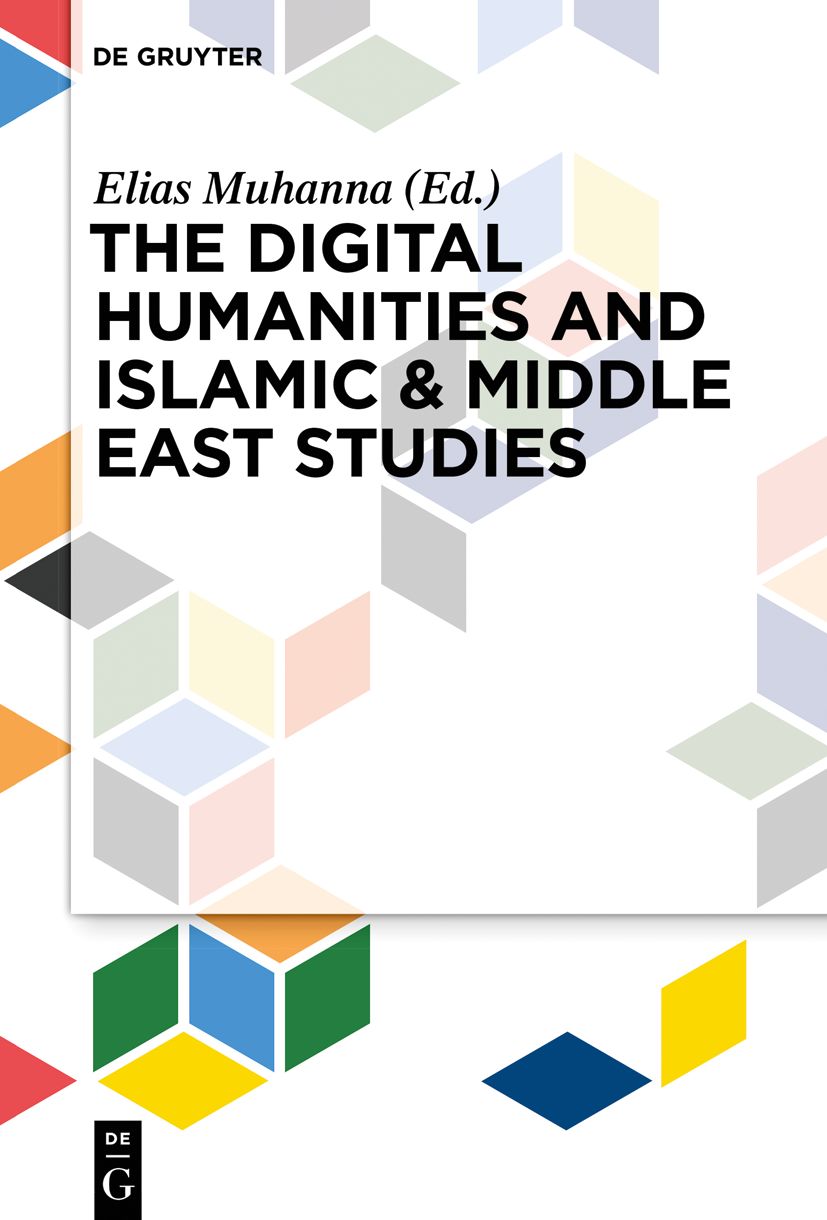
The Digital Humanities and Islamic & Middle East Studies
Over the past few decades, humanistic inquiry has been problematized and invigorated by the emergence of what is referred to as the digital humanities. Across multiple disciplines, from history to literature, religious studies to philosophy, archaeology to music, scholars are tapping the extraordinary power of digital technologies to preserve, curate, analyze, visualize, and reconstruct their research objects. The study of the Middle East and the broader Islamic world has been no less impacted by this new paradigm. Scholars are making daily use of digital tools and repositories including private and state-sponsored archives of textual sources, digitized manuscript collections, densitometrical imaging, visualization and modeling software, and various forms of data mining and analysis. This collection of essays explores the state of the art in digital scholarship pertaining to Islamic & Middle Eastern studies, addressing areas such as digitization, visualization, text mining, databases, mapping, and e-publication. It is of relevance to any researcher interested in the opportunities and challenges engendered by this changing scholarly ecosystem.
eBook