
Catalogue Search | MBRL


Are you sure you want to remove the book from the shelf?

{{itemTitle}}
1,178
result(s) for
"Money -- Europe -- History"
Sort by:


Money Matters in European Artworks and Literature, c. 1400-1750
Money Matters in European Artworks and Literature, c. 1400-1750 focuses on coins as material artefacts and agents of meaning in early modern arts. The precious metals, double-sided form, and emblematic character of coins had deep resonance in European culture and cultural encounters. Coins embodied Europe's power and the labour, increasingly located in colonised regions, of extracting gold and silver. Their efficacy depended on faith in their inherent value and the authority perceived to be imprinted into them, guaranteed through the institution of the Mint. Yet they could speak eloquently of illusion, debasement and counterfeiting. A substantial introduction precedes essays by interdisciplinary scholars on five themes: power and authority in the Mint; currency and the anxieties of global trade; coins and persons; coins in and out of circulation; credit and risk. An Afterword on a contemporary artist demonstrates the continuing expressive and symbolic power of numismatic forms.
eBook

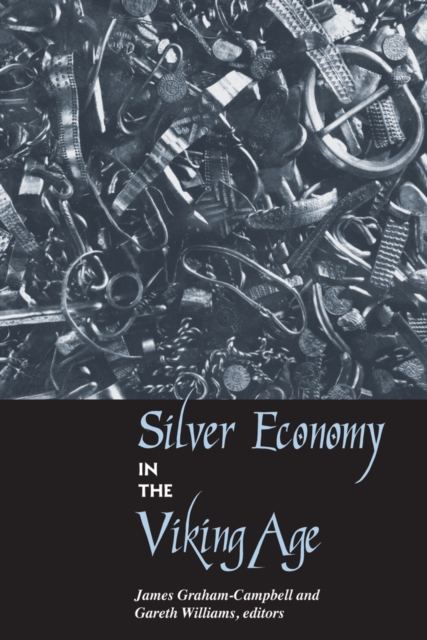
Silver Economy in the Viking Age
In this book contributions by archaeologists and numismatists from six countries address different aspects of how silver was used in both Scandinavia and the wider Viking world during the 8th to 11th centuries AD. The volume brings together a combination of recent summaries and new work on silver and gold coinage, rings and bullion, which allow a better appreciation of the broader socioeconomic conditions of the Viking world. This is an indispensable source for all archaeologists, historians and numismatists involved in Viking Studies.
eBook

Book prices and monetary issues in Renaissance Europe
The difficulties associated with the creation of a large database of book prices include giving effective answers to questions such as how prices were formed during the various steps of the production process (sedimentation of production costs, costs related to the sale) or what the nature of the assigned value is (estimated in the case of used books, or of stock inventories, or the result of special conditions offered to specific customers, etc.). But first it is necessary to reflect on the interpretation given to the figures provided by the heterogeneous documentation which supports the creation of such a database. The many reference currencies in which these prices are expressed, depending on the monetary area of action of the economic operators (printers, booksellers, customers) are likely to confuse and mislead if their exact meaning is not clearly understood. This problem becomes even more urgent when, for example, the primary sources are the private notes of a collector who recorded how much he had paid for a book, or when two different currencies in place or in time have the same name. This aspect is also crucial in comparing different places and markets. Was the price expressed in money of account or in coined money? In domestic or foreign currency? Is it possible to relate two prices expressed in different currencies? The purpose of this paper is therefore to explore in greater depth some of the economic-monetary aspects of Renaissance Europe in order to help clarify any doubts or misreadings by building a reliable picture of the various types of currency used in Europe between the sixteenth and seventeenth centuries. This is an essential step to subsequently address the possibility of comparing prices expressed in different currencies as they emerged on different markets.
Journal Article
Book prices and monetary issues in Renaissance Europe
The difficulties associated with the creation of a large database of book prices include giving effective answers to questions such as how prices were formed during the various steps of the production process (sedimentation of production costs, costs related to the sale) or what the nature of the assigned value is (estimated in the case of used books, or of stock inventories, or the result of special conditions offered to specific customers, etc.). But first it is necessary to reflect on the interpretation given to the figures provided by the heterogeneous documentation which supports the creation of such a database. The many reference currencies in which these prices are expressed, depending on the monetary area of action of the economic operators (printers, booksellers, customers) are likely to confuse and mislead if their exact meaning is not clearly understood. This problem becomes even more urgent when, for example, the primary sources are the private notes of a collector who recorded how much he had paid for a book, or when two different currencies in place or in time have the same name. This aspect is also crucial in comparing different places and markets. Was the price expressed in money of account or in coined money? In domestic or foreign currency? Is it possible to relate two prices expressed in different currencies? The purpose of this paper is therefore to explore in greater depth some of the economic-monetary aspects of Renaissance Europe in order to help clarify any doubts or misreadings by building a reliable picture of the various types of currency used in Europe between the sixteenth and seventeenth centuries. This is an essential step to subsequently address the possibility of comparing prices expressed in different currencies as they emerged on different markets.
Journal Article
Book prices and monetary issues in Renaissance Europe
The difficulties associated with the creation of a large database of book prices include giving effective answers to questions such as how prices were formed during the various steps of the production process (sedimentation of production costs, costs related to the sale) or what the nature of the assigned value is (estimated in the case of used books, or of stock inventories, or the result of special conditions offered to specific customers, etc.). But first it is necessary to reflect on the interpretation given to the figures provided by the heterogeneous documentation which supports the creation of such a database. The many reference currencies in which these prices are expressed, depending on the monetary area of action of the economic operators (printers, booksellers, customers) are likely to confuse and mislead if their exact meaning is not clearly understood. This problem becomes even more urgent when, for example, the primary sources are the private notes of a collector who recorded how much he had paid for a book, or when two different currencies in place or in time have the same name. This aspect is also crucial in comparing different places and markets. Was the price expressed in money of account or in coined money? In domestic or foreign currency? Is it possible to relate two prices expressed in different currencies? The purpose of this paper is therefore to explore in greater depth some of the economic-monetary aspects of Renaissance Europe in order to help clarify any doubts or misreadings by building a reliable picture of the various types of currency used in Europe between the sixteenth and seventeenth centuries. This is an essential step to subsequently address the possibility of comparing prices expressed in different currencies as they emerged on different markets.
Journal Article

Book prices and monetary issues in Renaissance Europe
Le difficoltà legate alla creazione di una banca dati dei prezzi dei libri comprendono la possibilità di offrire risposte efficaci a domande quali le modalità della formazione del prezzo durante le varie fasi del processo produttivo (sedimentazione dei costi di produzione, costi relativi alla vendita) o la natura del valore assegnato (stimato nel caso di libri usati, di scorte di magazzino, o a seguito di condizioni speciali offerte a specifici clienti, ecc). Ma prima di tutto è necessario riflettere sull'interpretazione da dare alle cifre fornite dall'eterogenea documentazione che permette la creazione di tale banca dati. Le numerose valute di riferimento in cui i prezzi sono espressi, a seconda dell'area monetaria in cui si muovevano i diversi operatori economici (editori, commercianti, clienti), rischiano di confondere e fuorviare se il loro esatto significato non è chiaramente compreso. Questo problema diventa ancora più urgente quando, ad esempio, le fonti primarie sono le note private di un Questo aspetto è cruciale anche per confrontare i diversi luoghi e mercati. Il prezzo era espresso in moneta di conto o in moneta coniata? In valuta nazionale o estera? È possibile rapportare due prezzi espressi in valute diverse? Lo scopo del presente contributo è quindi quello di approfondire alcuni aspetti economico-monetari dell'Europa rinascimentale per contribuire a chiarire eventuali dubbi o fraintendimenti, costruendo un quadro attendibile dei vari tipi di moneta utilizzati in Europa tra il XVI e il XVII secolo. Si tratta di un passo essenziale per affrontare successivamente il confronto di prezzi espressi in più valute poiché emersi su mercati differenti. [Testo dell'editore]The difficulties associated with the creation of a large database of book prices include giving effective answers to questions such as how prices were formed during the various steps of the production process (sedimentation of production costs, costs related to the sale) or what the nature of the assigned value is (estimated in the case of used books, or of stock inventories, or the result of special conditions offered to specific customers, etc.). But first it is necessary to reflect on the interpretation given to the figures provided by the heterogeneous documentation which supports the creation of such a database. The many reference currencies in which these prices are expressed, depending on the monetary area of action of the economic operators (printers, booksellers, customers) are likely to confuse and mislead if their exact meaning is not clearly understood. This problem becomes even more urgent when, for example, the primary sources are the private notes of a collector who recorded how much he hadThis aspect is also crucial in comparing different places and markets. Was the price expressed in money of account or in coined money? In domestic or foreign currency? Is it possible to relate two prices expressed in different currencies? The purpose of this paper is therefore to explore in greater depth some of the economic-monetary aspects of Renaissance Europe in order to help clarify any doubts or misreadings by building a reliable picture of the various types of currency used in Europe between the sixteenth and seventeenth centuries. This is an essential step to subsequently address the possibility of comparing prices expressed in different currencies as they emerged on different markets. [Publisher's text]
Journal Article

Economy and Nature in the Fourteenth Century
This book provides perspectives on the ways in which scholastic natural philosophy anticipated and contributed to the emergence of scientific thought. Historians of medieval science have hesitated to step outside the sphere of intellectual culture in their search for factors influencing proto-scientific thought. This book searches for influences both within and beyond university culture, and argues that the transformation of the conceptual model of the natural world c.1260–1380 was strongly influenced by the contemporary rapid monetisation of European society. It analyses the impact of the monetised market place on the most characteristic concern of natural philosophy of the period: its preoccupation with measurement, gradation, and the quantification of qualities.
eBook