
Catalogue Search | MBRL


Are you sure you want to remove the book from the shelf?

{{itemTitle}}
987
result(s) for
"Monodon"
Sort by:

Inuit warn mine shipping traffic may harm narwhals
Although representatives of the Baffinland Iron Mines Corporation argue that shipping traffic from their proposed Mary River mine expansion in Nunavut (Arctic Canada) will not harm narwhals (Monodon monoceros), a video jointly released in early Jan by the Mittimatalik Hunters and Trappers Organization (MHTO) and Oceans North features a hunter from the Mittimatalik Inuit community expressing concerns about recently observed declines in narwhal populations. In an interview, former MHTO chair Eric Ootoovak says \"there used to be a lot of narwhals in Milne Inlet, but they seem to have vanished over the years\". In summer 2021, added Ootoovak in the video that all the whales were concentrated in Tremblay Sound, where there is no shipping noise.
Journal Article

Shrimp genome sequence contains independent clusters of ancient and current Endogenous Viral Elements (EVE) of the parvovirus IHHNV
Background
Shrimp have the ability to accommodate viruses in long term, persistent infections without signs of disease. Endogenous viral elements (EVE) play a role in this process probably via production of negative-sense Piwi-interacting RNA (piRNA)-like fragments. These bind with Piwi proteins to dampen viral replication via the RNA interference (RNAi) pathway. We searched a genome sequence (GenBank record JABERT000000000) of the giant tiger shrimp (
Penaeus monodon
for the presence of EVE related to a shrimp parvovirus originally named infectious hypodermal and hematopoietic necrosis virus (IHHNV).
Results
The shrimp genome sequence contained three piRNA-like gene clusters containing scrambled IHHNV EVE. Two clusters were located distant from one another in pseudochromosome 35 (PC35). Both PC35 clusters contained multiple sequences with high homology (99%) to GenBank records DQ228358 and EU675312 that were both called “non-infectious IHHNV Type A” (IHHNV-A) when originally discovered. However, our results and those from a recent Australian
P. monodon
genome assembly indicate that the relevant GenBank records for IHHNV-A are sequence-assembly artifacts derived from scrambled and fragmental IHHNV-EVE. Although the EVE in the two PC35 clusters showed high homology only to IHHNV-A, the clusters were separate and distinct with respect to the arrangement (i.e., order and reading direction) and proportional content of the IHHNV-A GenBank records. We conjecture that these 2 clusters may constitute independent allele-like clusters on a pair of homologous chromosomes. The third EVE cluster was found in pseudochromosome 7 (PC7). It contained EVE with high homology (99%) only to GenBank record AF218266 with the potential to protect shrimp against current types of infectious IHHNV. One disadvantage was that some EVE in PC7 can give false positive PCR test results for infectious IHHNV.
Conclusions
Our results suggested the possibility of viral-type specificity in EVE clusters. Specificity is important because whole EVE clusters for one viral type would be transmitted to offspring as collective hereditary units. This would be advantageous if one or more of the EVE within the cluster were protective against the disease caused by the cognate virus. It would also facilitate gene editing for removal of non-protective EVE clusters or for transfer of protective EVE clusters to genetically improve existing shrimp breeding stocks that might lack them.
Journal Article

Ontogenetic profiles of dentine isotopes (δ15N and δ13C) reveal variable narwhal Monodon monoceros nursing duration
Stable isotope analysis (SIA) of sequential dentine growth layer groups can be used to estimate the lifetime diet of individuals and infer major ontogenetic shifts such as the completion of nursing. We used SIA of dentine from narwhal Monodon monoceros embedded canine teeth to investigate ontogenetic dietary patterns, with a focus on nursing duration. We also determined whether nursing duration differed between sexes and between 2 periods during which narwhals may have undergone dietary shifts due to warming. Embedded teeth from both sexes were collected near Pond Inlet, Nunavut, Canada, in 1982 and 1983 (n = 17) and 2015 and 2017 (n = 14). Nursing duration ranged from ∼2 to ∼6 yr, with 60% of narwhals being nursed beyond the previously published estimate of <2 yr. The proportion of individuals nursed <2 yr versus >2 yr did not differ between sexes or periods. This study not only revealed that narwhals vary extensively in their nursing duration, but also indicated that extended nursing (>2 yr) with gradual introduction of solid food over this period was common. These findings provide insights into narwhal life-history strategies, as extended nursing may be another feature of a long-lived, slow-reproducing mammal adapted to unique polar conditions that are threatened by global warming.
Journal Article
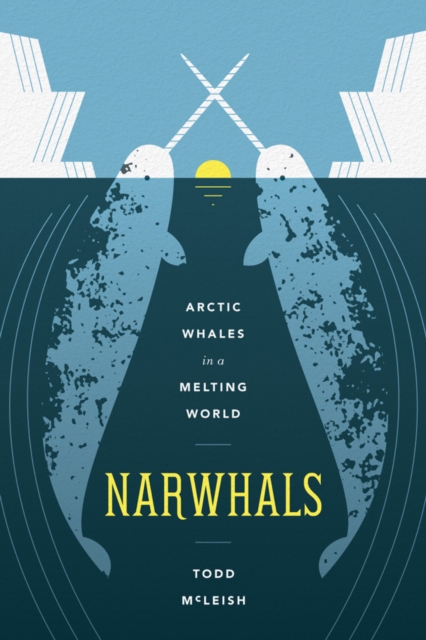
Narwhals
Among all the large whales on Earth, the most unusual and least studied is the narwhal, the northernmost whale on the planet and the one most threatened by global warming. Narwhals thrive in the fjords and inlets of northern Canada and Greenland. These elusive whales, whose long tusks were the stuff of medieval European myths and Inuit legends, are uniquely adapted to the Arctic ecosystem and are able to dive below thick sheets of ice to depths of up to 1,500 meters in search of their prey-halibut, cod, and squid.
Join Todd McLeish as he travels high above the Arctic circle to meet:
Teams of scientific researchers studying the narwhal's life cycle and the mysteries of its tusk
Inuit storytellers and hunters
Animals that share the narwhals' habitat: walruses, polar bears, bowhead and beluga whales, ivory gulls, and two kinds of seals
McLeish consults logbooks kept by whalers and explorers and interviews folklorists and historians to tease out the relationship between the real narwhal and the mythical unicorn. In Colorado, he visits climatologists studying changes in the seasonal cycles of the Arctic ice. From a history of the trade in narwhal tusks to descriptions of narwhals' vocalizations as heard through hydrophones, Narwhals reveals the beauty and thrill of the narwhal and its habitat, and the threat it faces from a rapidly changing world.
Watch the trailer: http://www.youtube.com/watch?v=gHwaqdKyLCQ&list=UUge4MONgLFncQ1w1C_BnHcw&index=9&feature=plcp
eBook

Major viral diseases in culturable penaeid shrimps: a review
The practice and development of the culture of commercially important penaeid shrimp results in the occurrence of infectious and non-infectious diseases worldwide. Most of the diseases are caused by the opportunistic microorganisms which are part of the microflora and fauna of the penaeid shrimp. Once the pathogens get a favourable condition, it will cause diseases to the host organisms. Most of the organisms are ubiquitous and are found and reported all over the cultured area in the world. The pathogens are the bacteria, viruses, parasites and protozoans. Viruses are the most important disease-causing agents in penaeid shrimps. The penaeid viruses are widely spread in geographical areas of shrimp culture. The shipment of broodstock and post larvae from one geographical region to another region often results in spreading of viral diseases. The penaeid viruses are the Whispovirus, white spot syndrome virus (WSSV), Penaeus monodon baculovirus (monodon baculovirus), infectious hypodermal and haematopoietic necrosis virus (IHHNV), infectious myonecrosis virus (IMNV), Taura syndrome virus (TSV), yellow head virus (YHV), white tail disease (WTD), covert mortality nodavirus (CMNV), Laem–Singh virus (LSNV) and shrimp haemocyte iridescent virus (SHIV). The review examines and highlights the aquaculture penaeid shrimp viral diseases in detail and concludes the need and importance of severe disease surveillance of the global countries through networking and coordination to safeguard the aquaculture practice for our future generation.
Journal Article

Immunostimulants for shrimp aquaculture: paving pathway towards shrimp sustainability
At present, food security is a matter of debate of global magnitude and fulfilling the feeding requirement of > 8 billion human populations by 2030 is one of the major concerns of the globe. Aquaculture plays a significant role to meet the global food requirement. Shrimp species such as
Litopenaeus vannamei
,
Penaeus monodon
, and
Macrobrachium rosenbergii
are among the most popular food commodities worldwide. As per Global Outlook for Aquaculture Leadership survey, disease outbreaks have been a matter of concern from the past many decades regarding the shrimp aquaculture production. Among the past disease outbreaks, white spot disease caused by the white spot syndrome virus is considered to be one of the most devastating ones that caused colossal losses to the shrimp industry. Since the virus is highly contagious, it spreads gregariously among the shrimp population; hence, practicing proper sanitization practices is crucial in order to have disease-free shrimps. Additionally, in order to control the disease, antibiotics were used that further leads to bioaccumulation and biomagnification of antibiotics in several food webs. The bioaccumulation of the toxic residues in the food webs further adversely affected human too. Recently, immunostimulants/antivirals were used as an alternative to antibiotics. They were found to enhance the immune system of shrimps in eco-friendly manner. In context to this, the present paper presents a critical review on the immunostimulants available from plants, animals, and chemicals against WSSV in shrimps. Looking into this scenario, maintaining proper sanitation procedures in conjunction with the employment of immunostimulants may be a viable approach for preserving shrimp aquaculture across the globe.
Journal Article
Effects of dietary betaine supplementation on growth performance, feed intake, intestinal histology, lipid metabolism, and immune response of black tiger shrimp (Penaeus monodon) fed diets containing two levels of raw feed attractants
To assess the effects of dietary betaine supplementation on growth performance, feed intake, intestine histology, lipid metabolism, and immune response of
Penaeus monodon
fed diets containing low and high levels of attractants, four diets were designed: positive control with a high level of attractant (P), negative control with a low level of attractant (N), positive control with betaine (PB), and negative control with betaine (NB). Four replicates with 30 shrimp per replicate and an initial body weight of (0.23 ± 0.00) g proceeded to a 56-day feeding trial. Results showed that raw feed attractants significantly improved the survival rate, total protein of hemolymph, total superoxide dismutase activity, the expression level of
imd
in the hepatopancreas, and the expression level of
pi3k
and
myd88
in the intestine. But the muscle thickness of the intestine and the expression level of
ampk
and
fas
were reduced by the raw feed attractants. Dietary betaine supplementation significantly promoted the expression levels of
ampk
and
acs
in the hepatopancreas, fold width and muscle thickness of the intestine, and the expression levels of
pi3k
,
myd88
,
relish
,
ror
, and
imd
in the intestine, while the crude lipid content of the whole body and muscle and the expression levels of
fas
and
cpt
in the hepatopancreas were reduced by betaine. Present findings revealed that raw feed attractant supplementation positively influenced the survival rate, the anti-oxidation ability, and immune-related gene expressions of the hepatopancreas and intestine. Dietary betaine supplementation positively influenced intestine histology, lipid metabolism, and immune gene expression in the intestine.
Journal Article

Molecular cloning and characterization of a cyclin B gene on the ovarian maturation stage of black tiger shrimp (Penaeus monodon)
The techniques of homology cloning and anchored PCR were used to clone the cyclin B gene from black tiger shrimp. The full length cDNA of black tiger shrimp cyclin B (btscyclin B) contained a 5′ untranslated region (UTR) of 102 bp, an ORF of 1,206 bp encoding a polypeptide of 401 amino acids with an estimated molecular mass of 45 kDa and a 3′ UTR of 396 bp. The searches for protein sequence similarities with BLAST analysis indicated that the deduced amino acid sequence of btscyclin B was homological to the cyclin B of other species and even the mammalians. Two conserved signature sequences of cyclin B gene family were found in the btscyclin B deduced amino acid sequence. The temporal expressions of cyclin B gene in the different tissues, including liver, ovary, muscle, brain stomach, heart and intestine, were measured by RT-PCR. mRNA expression of cyclin B could be detected in liver, ovary, muscle, brain, stomach, heart and strongest in the ovary, but almost not be detected in the intestine. In ovarian maturation stages, the expression of btscyclin B was different. The result indicated that btscyclin B was constitutive expressed and played an important role in the cell division stage.
Journal Article

Decadal migration phenology of a long-lived Arctic icon keeps pace with climate change
Animals migrate in response to seasonal environments, to reproduce, to benefit from resource pulses, or to avoid fluctuating hazards. Although climate change is predicted to modify migration, only a few studies to date have demonstrated phenological shifts in marine mammals. In the Arctic, marine mammals are considered among the most sensitive to ongoing climate change due to their narrow habitat preferences and long life spans. Longevity may prove an obstacle for species to evolutionarily respond. For species that exhibit high site fidelity and strong associations with migration routes, adjusting the timing of migration is one of the few recourses available to respond to a changing climate. Here, we demonstrate evidence of significant delays in the timing of narwhal autumn migrations with satellite tracking data spanning 21 y from the Canadian Arctic. Measures of migration phenology varied annually and were explained by sex and climate drivers associated with ice conditions, suggesting that narwhals are adopting strategic migration tactics. Male narwhals were found to lead the migration out of the summering areas, while females, potentially with dependent young, departed later. Narwhals are remaining longer in their summer areas at a rate of 10 d per decade, a similar rate to that observed for climate-driven sea ice loss across the region. The consequences of altered space use and timing have yet to be evaluated but will expose individuals to increasing natural changes and anthropogenic activities on the summering areas.
Journal Article

Spatial and temporal patterns of sound production in East Greenland narwhals
Changes in climate are rapidly modifying the Arctic environment. As a result, human activities-and the sounds they produce-are predicted to increase in remote areas of Greenland, such as those inhabited by the narwhals (Monodon monoceros) of East Greenland. Meanwhile, nothing is known about these whales' acoustic behavior or their reactions to anthropogenic sounds. This lack of knowledge was addressed by instrumenting six narwhals in Scoresby Sound (Aug 2013-2016) with Acousonde™ acoustic tags and satellite tags. Continuous recordings over up to seven days were used to describe the acoustic behavior of the whales, in particular their use of three types of sounds serving two different purposes: echolocation clicks and buzzes, which serve feeding, and calls, presumably used for social communication. Logistic regression models were used to assess the effects of location in time and space on buzzing and calling rates. Buzzes were mostly produced at depths of 350-650 m and buzzing rates were higher in one particular fjord, likely a preferred feeding area. Calls generally occurred at shallower depths (<100 m), with more than half of these calls occurring near the surface (<7 m), where the whales also spent more than half of their time. A period of silence following release, present in all subjects, was attributed to the capture and tagging operations, emphasizing the importance of longer (multi-day) records. This study provides basic life-history information on a poorly known species-and therefore control data in ongoing or future sound-effect studies.
Journal Article