
Catalogue Search | MBRL


Are you sure you want to remove the book from the shelf?

{{itemTitle}}
388
result(s) for
"Monuments Conservation and restoration."
Sort by:


Protecting heritage in the Caribbean
Heritage preservation is a broad term that can include the protection of a wide range of human-mediated material and cultural processes ranging from specific artifacts, ancient rock art, and features of the built environment and modified landscapes. As a region of multiple independent nations and colonial territories, the Caribbean shares a common heritage at some levels, yet at the same time there are vast historical and cultural differences. Likewise, approaches to Caribbean heritage preservation are similarly diverse in range and scope.
This volume addresses the problem of how Caribbean nations deal with the challenges of protecting their cultural heritages or patrimonies within the context of pressing economic development concerns. Is there formal legislation that requires cultural patrimony to be considered prior to the approval of development projects? Does legislation apply only to government-funded projects or to private ones as well? Are there levels of legislation: local, regional, national? Are heritage preservation laws enforced? For whom is the heritage protected and what public outreach is implemented to disseminate the information acquired and retained?
In this volume, practitioners of heritage management on the frontline of their own islands address the current state of affairs across the Caribbean to present a comprehensive overview of Caribbean heritage preservation challenges. Considerable variability is seen in how determined and serious different nations are in approaching the responsibilities of heritage preservation. Packaging these diverse scenarios into a single volume is a critical step in raising awareness of the importance of protecting and judiciously managing an ever-diminishing fund of Caribbean heritage for all.
Contributors
Todd M. Ahlman / Benoît Bérard / Milton Eric Branford / Richard T. Callaghan / Kevin Farmer / R. Grant Gilmore III / Jay B. Haviser / Ainsley C. Henriques / William F. Keegan / Bruce J. Larson / Paul E. Lewis / Vel Lewis / Reg Murphy / Michael P. Pateman / Winston F. Phulgence / Esteban Prieto Vicioso / Basil A. Reid / Andrea Richards / Elizabeth Righter / Kelley Scudder-Temple / Peter E. Siegel / Christian Stouvenot / Daniel Torres Etayo
eBook

History and silence : purge and rehabilitation of memory in late antiquity
How the ruling elite of ancient Rome sought -- and often failed -- to eradicate the memory of their deceased opponents.
eBook


Saving Stalin's Imperial City
Saving Stalin's Imperial City is the history of the successes and failures in historic preservation and of Leningraders' determination to honor the memory of the terrible siege the city had endured during World War II. The book stresses the counterintuitive nature of Stalinist policies, which allocated scarce wartime resources to save historic monuments of the tsarist and imperial past even as the very existence of the Soviet state was being threatened, and again after the war, when housing, hospitals, and schools needed to be rebuilt. Postwar Leningrad was at the forefront of a concerted restoration effort, fueled by commemorations that glorified the city's wartime experience, encouraged civic pride, and mobilized residents to rebuild their hometown. For Leningrad, the restoration of monuments and commemorations of the siege were intimately intertwined, served similar purposes, and were mutually reinforcing.
eBook

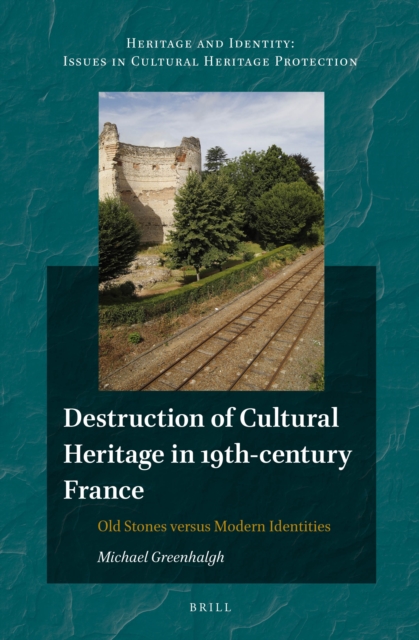
Destruction of Cultural Heritage in 19th-Century France
Destruction of Cultural Heritage in 19th Century France charts the destruction of earlier architecture as towns pull down their walls, build modern houses, welcome railways and, except for a few scholars, forget about the past. Heritage was largely scorned, and identity found in modernity, not in the past.
eBook