
Catalogue Search | MBRL


Are you sure you want to remove the book from the shelf?

{{itemTitle}}
541
result(s) for
"Motion picture industry United States Finance."
Sort by:


Independent Filmmaker's Law and Business Guide
Preparing independent or guerrilla filmmakers for the legal, financial, and organizational questions that can doom a project if unanswered, this guide demystifies issues such as developing a concept, founding a film company, obtaining financing, securing locations, casting, shooting, granting screen credits, distributing, exhibiting, and marketing a film. Updated to include digital marketing and distribution strategies through YouTube or webisodes, it also anticipates the \"problems\" generated by a blockbuster hit: sound tracks, merchandizing, and licensing. Six appendices provide sample contracts, copyright forms and circulars, Writer's Guild of America definitions for writing credits, and studio contact information.
eBook

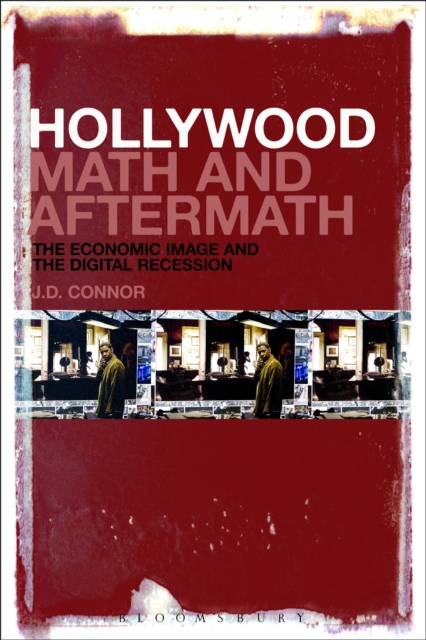
Hollywood Math and Aftermath
Money is Hollywood’s great theme—but money laundered into something else, something more. Money can be given a particular occasion and career, as box office receipts, casino winnings, tax credits, stock prices, lotteries, inheritances. Or money can become number, and numbers can be anything: pixels, batting averages, votes, likes. Through explorations of all these and more, J.D. Connor’s Hollywood Math and Aftermath provides a stimulating and original take on “the equation of pictures,” the relationship between Hollywood and economics since the 1970s. Touched off by an engagement with the work of Gilles Deleuze, Connor demonstrates the centrality of the economic image to Hollywood narrative. More than just a thematic study, this is a conceptual history of the industry that stretches from the dawn of the neoclassical era through the Great Recession and beyond. Along the way, Connor explores new concepts for cinema studies: precession and recession, pervasion and staking, ostension and deritualization. Enlivened by a wealth of case studies—from The Big Short and The Wolf of Wall Street to Equity and Blackhat, from Moneyball to 12 Years a Slave, Titanic to Lost, The Exorcist to WALLE, Déjà Vu to Upstream Color, Contagion to The Untouchables, Ferris Bueller to Pacific Rim, The Avengers to The Village—Hollywood Math and Aftermath is a bravura portrait of the industry coming to terms with its own numerical underpinnings
eBook

The self-sustaining filmmaker : creating crowdsourced, crowdfunded & community-supported independent film
\"This book provides guidance on how to build an independent, financially sustainable filmmaking career through channels such as crowdsourcing, crowdfunding, and community filmmaking concepts. Through real-life experiences, Marty Lang provides insight on how to use these key concepts through every stage of a film's lifecycle-from distribution (the stage that should be figured out first), through development, screenwriting, prep, production and post, all the way through marketing and the film's release. By thinking of filmmaking as a start-up company, and looking at how businesses make money, Lang creates a completely independent financial model for films, turning filmmakers into businesspeople, conscious of the needs of their audiences, and empowered to use their creative work to make their living. Using interviews with leaders in the field, case studies, and practical experience gained from 20 years of community filmmaking, this book unveils an exciting, new way to make films that prioritizes a collaborative, entrepreneurial mindset at every stage. This is an essential guide for aspiring and seasoned filmmakers alike looking to understand and apply crowdsourcing as an effective tool in their career\"-- Provided by publisher.
Book
MoneyWatch Report
The family that owns the company that makes OxyContin is calling a Massachusetts' lawsuit false and misleading. This is the Sackler family's first court response to allegations that individual family members helped fuel the deadly opioid epidemic. Attorneys for the Sackler family say the claims must be dismissed. Massachusetts was among the first state government to sue the family as well as the company last year.
Transcript

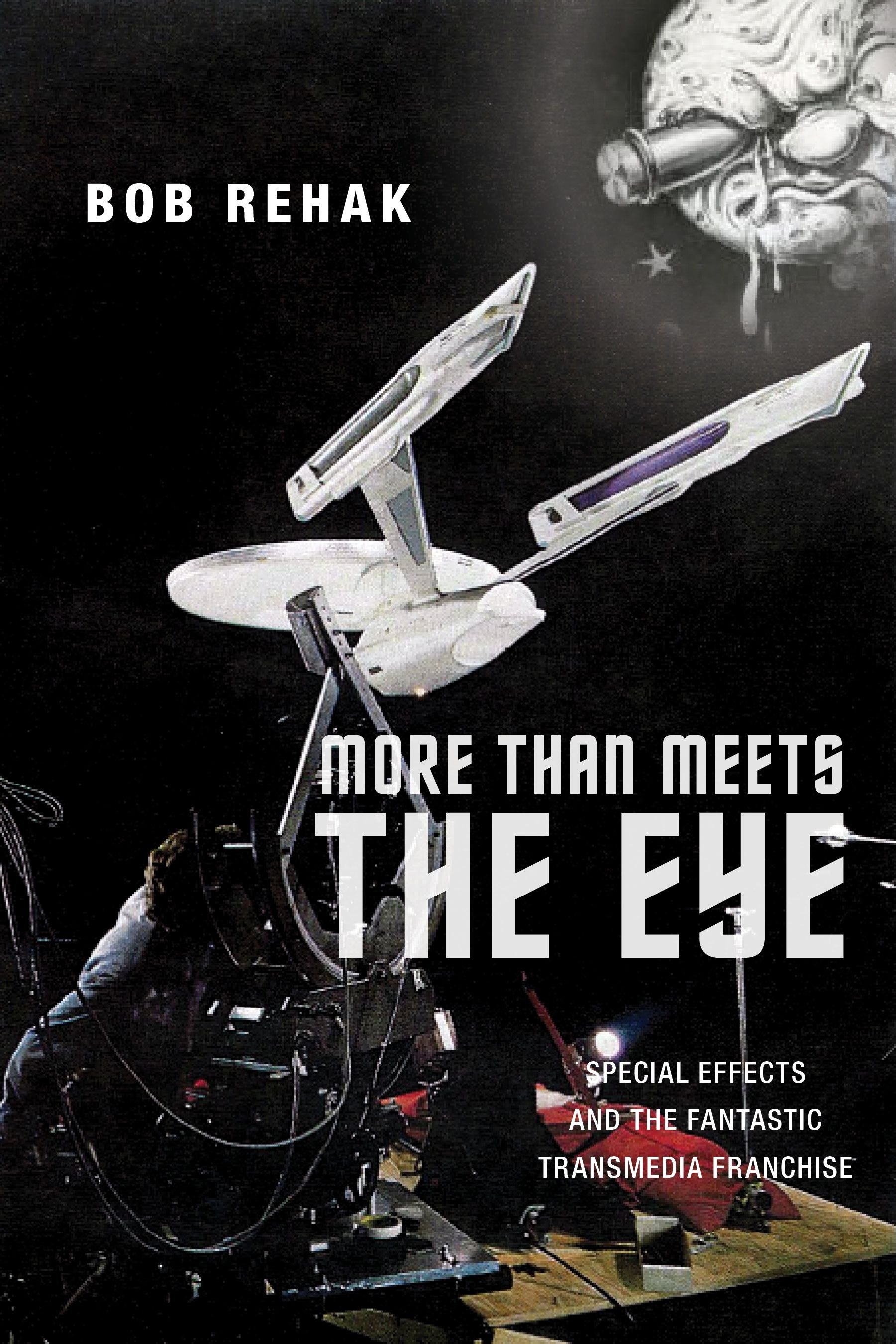
More Than Meets the Eye
A rare look at the role of special effects in creating fictional worlds and transmedia franchises From comic book universes crowded with soaring superheroes and shattering skyscrapers to cosmic empires set in far-off galaxies, today’s fantasy blockbusters depend on visual effects. Bringing science fiction from the studio to your screen, through film, television, or video games, these special effects power our entertainment industry. More Than Meets the Eye delves into the world of fantastic media franchises to trace the ways in which special effects over the last 50 years have become central not just to transmedia storytelling but to worldbuilding, performance, and genre in contemporary blockbuster entertainment. More Than Meets the Eye maps the ways in which special effects build consistent storyworlds and transform genres while traveling from one media platform to the next. Examining high-profile franchises in which special effects have played a constitutive role such as Star Trek, Star Wars, The Matrix, and The Lord of the Rings, as well as more contemporary franchises like Pirates of the Caribbean and Harry Potter, Bob Rehak analyzes the ways in which production practices developed alongside the cultural work of industry professionals. By studying social and cultural factors such as fan interaction, this book provides a context for understanding just how much multiplatform storytelling has come to define these megahit franchises. More Than Meets the Eye explores the larger history of how physical and optical effects in postwar Hollywood laid the foundation for modern transmedia franchises and argues that special effects are not simply an adjunct to blockbuster filmmaking, but central agents of an entire mode of production.
eBook

Government Inaction on Ratings and Government Subsidies to the US Film Industry Help Promote Youth Smoking
[...]it examines how film industry subsidies are administered in these countries, including the magnitude of subsidies for youth-rated films containing smoking, and compares these subsidies with spending on tobacco control programmes. Because of these differences in rating practices Canadian and British youth are exposed to higher levels of tobacco imagery in films that are rated for and marketed directly to youth than their US counterparts, with the bulk of exposure coming from films financed and distributed by US media conglomerates [11]-[13].\\n Of the 27 wide-release films whose smoking content is known, 17 (63%) featured tobacco; of the 17 wide-release films that were youth rated, eight (47%) contained smoking (Table 4).
Journal Article

Neoliberal Forms
This paper examines the co-implications of CGI filmmaking, US hegemony, and neoliberal financialization as manifested in Korea’s “IMF crisis cinema.” These films are populated by what I termneoliberal formsthat epitomize the effort in this cinema to reflect on the innate proximity of popular filmmaking to finance, and specifically on the proximity between its own material apparatus and the economic apparatus that the IMF crisis inserted into the center of Korean public discourse.
Journal Article