
Catalogue Search | MBRL


Are you sure you want to remove the book from the shelf?

{{itemTitle}}
225
result(s) for
"Motion pictures Production and direction Fiction."
Sort by:

What you see in the dark : a novel
Bakersfield, California, in the late 1950s is a dusty, quiet town too far from Los Angeles to share that city's energy yet close enough to Hollywood to fill its citizens with the kinds of dreams they discover in the darkness of the movie theater. For Teresa, a young, aspiring singer who works at a shoe store, dreams lie in the music her mother shared with her, plaintive songs of love and longing. In Dan Watson, the most desirable young man in Bakersfield, she believes she has found someone to help her realize those dreams.When a famous actress arrives from Hollywood with a great and already legendary director, local gossip about Teresa and Dan gives way to speculation about the celebrated visitors, there to work on what will become an iconic, groundbreaking film of madness and murder at a roadside motel. No one anticipates how the ill-fated love affair between Dan and Teresa will soon rival anything the director could ever put on the screen.This thoroughly original work is intense and fascinating in its juxtapositions of tenderness and menace, violence and regret, played out in a town on the brink of change.
Book

The Comic Book Film Adaptation
In the summer of 2000X-Mensurpassed all box office expectations and ushered in an era of unprecedented production of comic book film adaptations. This trend, now in its second decade, has blossomed into Hollywood's leading genre. From superheroes to Spartan warriors,The Comic Book Film Adaptationoffers the first dedicated study to examine how comic books moved from the fringes of popular culture to the center of mainstream film production.
Through in-depth analysis, industry interviews, and audience research, this book charts the cause-and-effect of this influential trend. It considers the cultural traumas, business demands, and digital possibilities that Hollywood faced at the dawn of the twenty-first century. The industry managed to meet these challenges by exploiting comics and their existing audiences. However, studios were caught off-guard when these comic book fans, empowered by digital media, began to influence the success of these adaptations. Nonetheless, filmmakers soon developed strategies to take advantage of this intense fanbase, while codifying the trend into a more lucrative genre, the comic book movie, which appealed to an even wider audience. Central to this vibrant trend is a comic aesthetic in which filmmakers utilize digital filmmaking technologies to engage with the language and conventions of comics like never before.
The Comic Book Film Adaptationexplores this unique moment in which cinema is stimulated, challenged, and enriched by the once-dismissed medium of comics.
eBook

Sock Monkey rides again
Famous toy actor Sock Monkey finds it almost impossible to kiss his costar while filming the singing cowboy movie \"Hubbub at the Happy Canyon Hoedown.\"
Book

Capturing Digital Media
Why are filmmakers such as J.J. Abrams, Christopher Nolan and Quentin Tarantino continuing to shoot their movies on celluloid in the digital age of cinema? Are these filmmakers choosing the photochemical process of celluloid images purely for aesthetics purposes? Or could their preference for celluloid have something to do with analogue’s intimate connection to the subject of lack and desire? Capturing Digital Media: Perfection and Imperfection in Contemporary Film and Television examines the relationship between the perfection of the digital form and the imperfection of the human subject in recent film and television. Using a number of a key psychoanalytic terms and new media concepts, Capturing Digital Mediashows that the necessity of imperfection is where we locate the human subject of desire within the binary logic of the digital. It argues that the perfection of digital must be wounded by forms of imperfection in order to make media texts such as film and television desirable. But even as films and television texts incorporate forms of imperfection, digital perfection remains a powerful attraction in our engagement with moving images, such as high definition screens, spectacular digital effects, and state-of-the-art sound
eBook

Invisible
Antonia Adams is the product of a loveless marriage between a beautiful young model and a wealthy entrepreneur. As a child, she is abandoned in the chasm between them. Unprotected and unloved, she learns that the only way to feel safe is to draw as little attention as possible, to be invisible. In her isolation, films are her escape, and she dreams of one day becoming a screenwriter. During a summer job at a Hollywood studio, she meets a famous filmmaker, and is invisible no longer. He wants to put her in a movie and make her a star. It is a dazzling opportunity but a terrifying one. Suddenly she is thrust into the public eye - even more so when they fall in love. Antonia never lets go of her true dream of becoming a filmmaker, but to make that leap she will have to expose herself in ways she never has before. When tragedy strikes, she must decide whether she will remain center stage or retreat to safety once more. Will she face her demons, or run and hide?
Book

Sound Design and Science Fiction
Sound is half the picture, and since the 1960s, film sound not only has rivaled the innovative imagery of contemporary Hollywood cinema, but in some ways has surpassed it in status and privilege because of the emergence of sound design.
This in-depth study by William Whittington considers the evolution of sound design not only through cultural and technological developments during the last four decades, but also through the attitudes and expectations of filmgoers. Fans of recent blockbuster films, in particular science fiction films, have come to expect a more advanced and refined degree of film sound use, which has changed the way they experience and understand spectacle and storytelling in contemporary cinema.
The book covers recent science fiction cinema in rich and compelling detail, providing a new sounding of familiar films, while offering insights into the constructed nature of cinematic sound design. This is accomplished by examining the formal elements and historical context of sound production in movies to better appreciate how a film sound track is conceived and presented.Whittington focuses on seminal science fiction films that have made specific advances in film sound, including2001: A Space Odyssey, THX 1138, Star Wars, Alien, Blade Runner(original version and director's cut),Terminator 2: Judgment DayandThe Matrixtrilogy and games--milestones of the entertainment industry's technological and aesthetic advancements with sound.
Setting itself apart from other works, the book illustrates through accessible detail and compelling examples how swiftly such advancements in film sound aesthetics and technology have influenced recent science fiction cinema, and examines how these changes correlate to the history, theory, and practice of contemporary Hollywood filmmaking.
eBook

Wildfire
Alisa and Diabolo are working as stunt doubles on the set of an adventure movies, but the Stardust stunt-riding stables in Colorado are facing bitter and underhanded competition from the High Noon stables--competition that includes dangerous sabotage.
Book
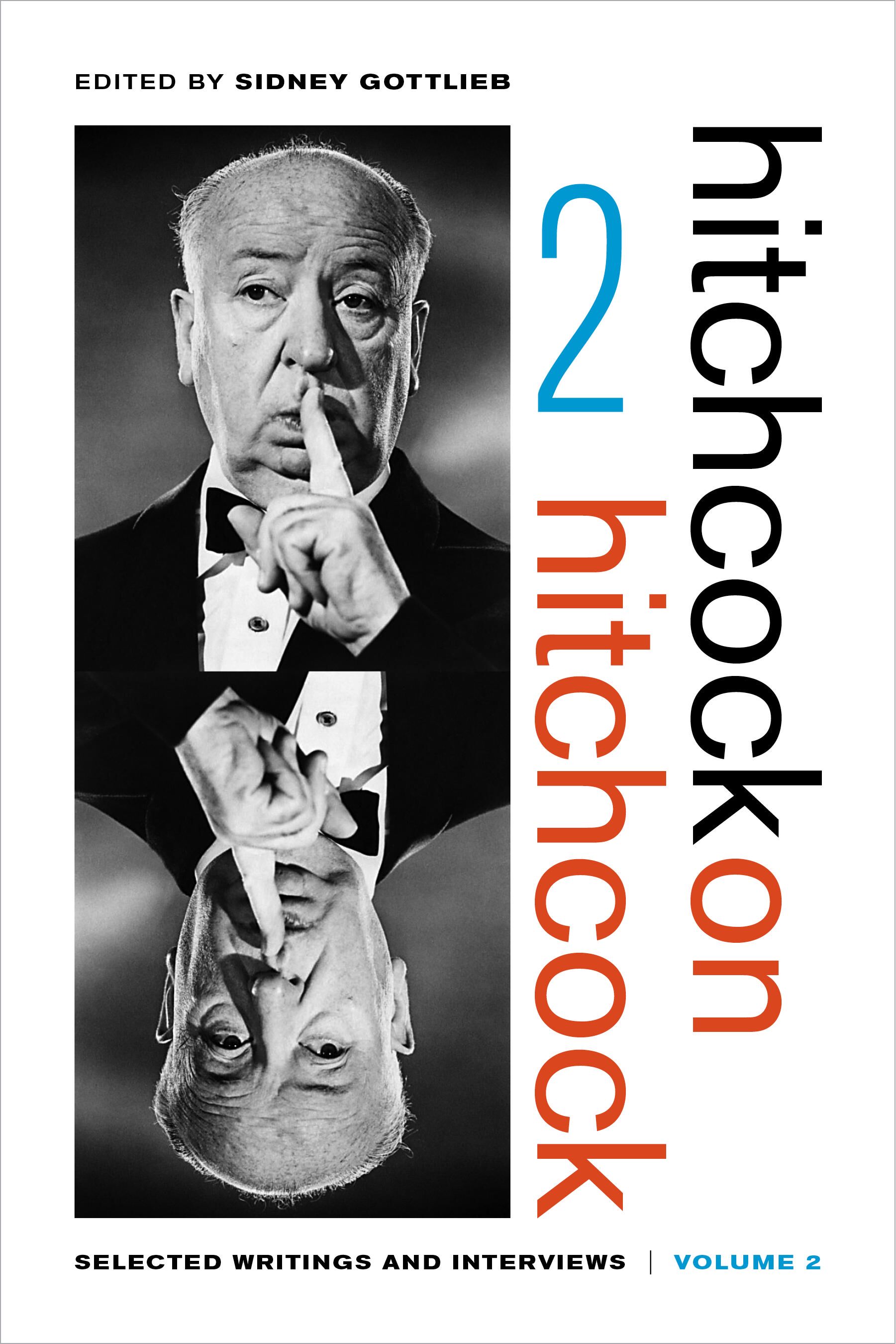
Hitchcock on Hitchcock, Volume 2
This second volume of Alfred Hitchcock’s reflections on his life and work and the art of cinema contains material long out of print, not easily accessible, and in some cases forgotten or unknown. Edited by Sidney Gottlieb, this new collection of interviews, articles with the great director's byline, and \"as-told-to\" pieces provides an enlivening perspective on a career that spanned seven decades and transformed the history of cinema. In writings and interviews imbued with the same exuberance and originality that he brought to his films, Hitchcock ranges from accounts of his own life and experiences to provocative comments on filmmaking techniques and cinema in general. Wry, thoughtful, witty, and humorous—as well as brilliantly informative and insightful—this volume contains much valuable material that adds to our understanding and appreciation of a titan who decades after his death remains one of the most renowned and influential of all filmmakers. François Truffaut once said that Hitchcock \"had given more thought to the potential of his art than any of his colleagues.\" This profound contemplation of his art is superbly captured in the pieces from all periods of Hitchcock’s career gathered in this volume, which reveal fascinating details about how he envisioned and attempted to create a \"pure cinema\" that was entertaining, commercially successful, and artistically ambitious and innovative in an environment that did not always support this lofty goal.
eBook
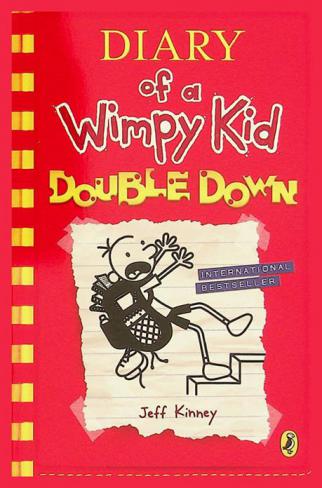
Diary of a wimpy kid : double down
Greg Heffley's mom wants him to take a break from video games while Halloween approaches and he comes up with an idea to make a movie.
Book

Entertaining Love: Cinephile Pastiche in Twenty-first Century Taiwanese Films
How is cinephilia articulated onscreen, in fiction films, in twenty-first century Taiwanese cinema? In answering this question, I argue that pastiche has become dominant in the island’s recent popular cinema, notably in genre films and in romantic dramas that engage in nostalgic depictions of the past. The article commences with an analysis of film posters that appear onscreen, prompting a discussion of intertextuality, the ways in which contemporary filmmakers engage with traditions of commercial cinema. Tracing the development of onscreen cinephilia in the 2010s, I then contend the importance of pastiche as a defining feature of many recent genre films that are intended to be understood and appreciated as imitations. Finally, I turn to the recent trend of nostalgic youth romances, focusing on the ways in which they pastiche the past – specifically, historical film-viewing experiences – as well as the cross-cultural, cross-media genre of the dorama.
Journal Article