
Catalogue Search | MBRL


Are you sure you want to remove the book from the shelf?

{{itemTitle}}
27,535
result(s) for
"Movement therapy."
Sort by:


Experiences and perceived benefits of remotely delivered dance/movement therapy for adult cancer patients: a multi-method program evaluation
Background
Dance/movement therapy (DMT) is increasingly used as a complementary treatment to address psychological and physical wellbeing. However, it is unknown how it can be leveraged in adult cancer care. This mixed methods program evaluation aimed to assess patient-reported benefits and satisfaction with the virtual DMT in an academic oncology setting.
Methods
We developed, implemented, and evaluated a 6-week virtual, synchronous DMT program aiming to improve physical health, address mental distress, and foster social connection for cancer patients. We used deidentified program evaluation data to assess impact of DMT on patient-reported outcomes and patients’ satisfaction with the DMT program. Pre- and post-session data were analyzed using descriptive statistics and a paired
t
-test. Qualitative data were captured through semi-structured interviews and analyzed using thematic analysis.
Results
Results from 39 participants (mean age 64.7 ± 9.8), majority female (89.7%) with a history of breast cancer (43.6%), showed high satisfaction (100%) and unanimous program recommendation (100%). Significant improvements were noted in anxiety (− 0.42 ± 0.76,
p
= .009), distress (− 0.35 ± 0.80,
p
= .036), and sense of joy (0.73 ± 1.18,
p
= .004), with a non-significant trend in increased physical activity (0.38 ± 0.98,
p
= .057). Thematic findings indicated that DMT participation (1) facilitated engagement in physical activity for improved physical health, (2) fostered creative expression, (3) improved mental state, and (4) helped build social connections and support.
Conclusion
Our DMT program shows promise as a component of integrative cancer care. The mixed-method evaluation provides insightful information to generate hypotheses for future RCT studies aiming to evaluate the specific effects of DMT on patient experience and outcomes.
Journal Article


Associated Mirror Therapy Enhances Motor Recovery of the Upper Extremity and Daily Function after Stroke: A Randomized Control Study
Bimanual cooperation plays a vital role in functions of the upper extremity and daily activities. Based on the principle of bilateral movement, mirror therapy could provide bimanual cooperation training. However, conventional mirror therapy could not achieve the isolation of the mirror. A novel paradigm mirror therapy called associated mirror therapy (AMT) was proposed to achieve bimanual cooperation task-based mirror visual feedback isolating from the mirror. The study was aimed at exploring the feasibility and effectiveness of AMT on stroke patients. We conducted a single-blind, randomized controlled trial. Thirty-six eligible patients were equally assigned into the experimental group (EG) receiving AMT and the control group (CG) receiving bimanual training without mirroring for five days/week, lasting four weeks. The Fugl-Meyer Assessment Upper Limb subscale (FMA-UL) for upper extremity motor impairment was used as the primary outcome. The secondary outcomes were the Box and Block Test (BBT) and Functional Independence Measure (FIM) for motor and daily function. All patients participated in trials throughout without adverse events or side effects. The scores of FMA-UL and FIM improved significantly in both groups following the intervention. Compared to CG, the scores of FMA-UL and FIM were improved more significantly in EG after the intervention. The BBT scores were improved significantly for EG following the intervention, but no differences were found in the BBT scores of CG after the intervention. However, no differences in BBT scores were observed between the two groups. In summary, our study suggested that AMT was a feasible and practical approach to enhance the motor recovery of paretic arms and daily function in stroke patients. Furthermore, AMT may improve manual dexterity for poststroke rehabilitation.
Journal Article


Digital Mirror Therapy and Action Observation Therapy for Chronic Stroke: A Pilot Randomized Controlled Trial
Objective: This study is aimed at testing the immediate and retained treatment efficacies of digital mirror therapy (DMT) and digital action observation therapy (DAOT) on clinical outcomes in chronic stroke patients, in comparison with dose‐matched, active control rehabilitation (CR). Methods: Nineteen patients were randomly assigned to the DMT, DAOT, or CR for 3 weeks. Outcome measures, including the Fugl‐Meyer Assessment of the Upper Extremity (FMA‐UE), Chedoke Arm and Hand Activity Inventory (CAHAI), Revised Nottingham Sensory Assessment, Motor Activity Log (MAL), and visual analogue scale of the EQ‐5D‐5L, were conducted at preintervention (T0), postintervention (T1), and 1‐month follow‐up (T2). Results: There were no significant differences among the three groups on the outcomes at different time points. However, in the DMT group, scores were significantly higher on the FMA‐UE and the CAHAI at T2 than at T0; in the DAOT group, those on the FMA‐UE and the quality of movement subscale of the MAL were significantly higher at T2 than at T0. In the CR group, scores on the FMA‐UE and the CAHAI were significantly higher at T1 than at T0. Conclusions: Both DMT and DAOT had retained treatment effects on motor function. DMT and DAOT might be feasible as alternative intervention strategies for chronic stroke patients. Trial Registration: ClinicalTrials.gov identifier: NCT04441190
Journal Article

The fascial network
\"The Fascial Network explains the function of the body's connective tissue by offering insight into its formation, physiology, and anatomy. This resource includes exercises for fitness as well as for recreational and competitive sports. With fully illustrated examples for practical implementation, it also serves as a training aid for instructors and physical therapists\"--Back cover.
Book
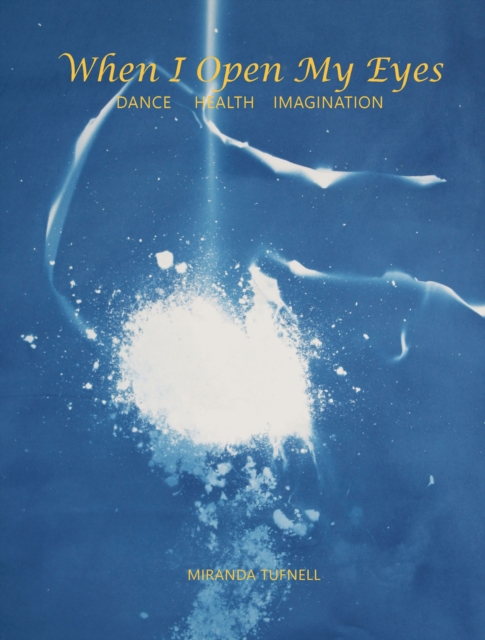
When I Open My Eyes: Dance Health Imagination
Celebrated dance artist and body therapist Miranda Tufnell takes us on a moving and inspiring exploration of the field of dance and health. For 14 years she worked in a GP surgery in Cumbria and the book opens with a vivid account of an arts project that she and her collaborators ran there for people with long-term health conditions. This is a book about the body and movement, about imagination and health. It gathers many stories, voices and activities from artists, patients and health practitioners. The arts have long played a role in medicine and there is a substantial body of evidence for the potency of arts practice in strengthening our resources and capacity for wellbeing. While the work is sourced in the body and movement, it is not only written for people with a dance background. Listening creatively to the body strengthens our body intelligence and ability to look after ourselves effectively. Practitioners from many backgrounds come into this field and will find something of interest. This book sets out to inspire rather than to teach, to offer windows into practice, and to convey something of what it is like to work in this field.
eBook


Video Game Rehabilitation for Outpatient Stroke (VIGoROUS): protocol for a multi-center comparative effectiveness trial of in-home gamified constraint-induced movement therapy for rehabilitation of chronic upper extremity hemiparesis
Background
Constraint-Induced Movement therapy (CI therapy) is shown to reduce disability, increase use of the more affected arm/hand, and promote brain plasticity for individuals with upper extremity hemiparesis post-stroke. Randomized controlled trials consistently demonstrate that CI therapy is superior to other rehabilitation paradigms, yet it is available to only a small minority of the estimated 1.2 million chronic stroke survivors with upper extremity disability. The current study aims to establish the comparative effectiveness of a novel, patient-centered approach to rehabilitation utilizing newly developed, inexpensive, and commercially available gaming technology to disseminate CI therapy to underserved individuals. Video game delivery of CI therapy will be compared against traditional clinic-based CI therapy and standard upper extremity rehabilitation. Additionally, individual factors that differentially influence response to one treatment versus another will be examined.
Methods
This protocol outlines a multi-site, randomized controlled trial with parallel group design. Two hundred twenty four adults with chronic hemiparesis post-stroke will be recruited at four sites. Participants are randomized to one of four study groups: (1) traditional clinic-based CI therapy, (2) therapist-as-consultant video game CI therapy, (3) therapist-as-consultant video game CI therapy with additional therapist contact via telerehabilitation/video consultation, and (4) standard upper extremity rehabilitation. After 6-month follow-up, individuals assigned to the standard upper extremity rehabilitation condition crossover to stand-alone video game CI therapy preceded by a therapist consultation. All interventions are delivered over a period of three weeks. Primary outcome measures include motor improvement as measured by the Wolf Motor Function Test (WMFT), quality of arm use for daily activities as measured by Motor Activity Log (MAL), and quality of life as measured by the Quality of Life in Neurological Disorders (NeuroQOL).
Discussion
This multi-site RCT is designed to determine comparative effectiveness of in-home technology-based delivery of CI therapy versus standard upper extremity rehabilitation and in-clinic CI therapy. The study design also enables evaluation of the effect of therapist contact time on treatment outcomes within a therapist-as-consultant model of gaming and technology-based rehabilitation.
Trial registration
Clinicaltrials.gov,
NCT02631850
.
Journal Article