
Catalogue Search | MBRL


Are you sure you want to remove the book from the shelf?

{{itemTitle}}
647
result(s) for
"Nō."
Sort by:


Dancing the Dharma
Dancing the Dharma examines the theory and practice of allegory by exploring a select group of medieval Japanese noh plays and treatises. Susan Blakeley Klein demonstrates how medieval esoteric commentaries on the tenth-century poem-tale Ise monogatari (Tales of Ise) and the first imperial waka poetry anthology Kokin wakashū influenced the plots, characters, imagery, and rhetorical structure of seven plays (Maiguruma, Kuzu no hakama, Unrin’in, Oshio, Kakitsubata, Ominameshi, and Haku Rakuten) and two treatises (Zeami’s Rikugi and Zenchiku’s Meishukushū). In so doing, she shows that it was precisely the allegorical mode—vital to medieval Japanese culture as a whole—that enabled the complex layering of character and poetic landscape we typically associate with noh. Klein argues that understanding noh’s allegorical structure and paying attention to the localized historical context for individual plays are key to recovering their original function as political and religious allegories. Now viewed in the context of contemporaneous beliefs and practices of the medieval period, noh plays take on a greater range and depth of meaning and offer new insights to readers today into medieval Japan.
eBook


Like Clouds or Mists
This volume is organized to roughly follow the order of events presented in the Kakuichi-bon variant of the Heike. Essays and translations focus on a series of major events from the Heike: Kiyomori's rise (the Gi? cycle of plays); Yoshinaka's push to the capital; the flight of the Heike and the battle of Ichi-no-tani; and the aftermath of the war. Each event features a series of one to three plays preceded by essays.
eBook
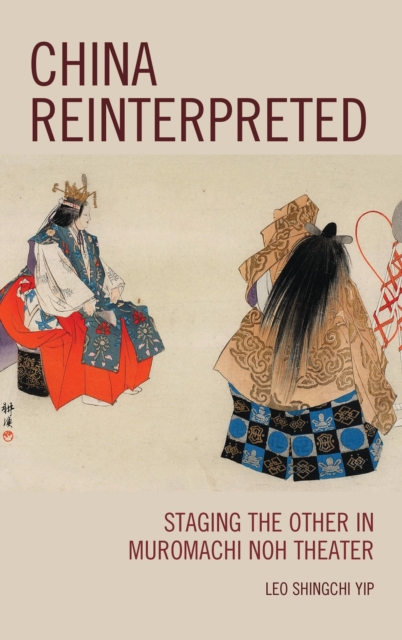
China reinterpreted
China Reinterpreted is the first comprehensive study on the representation of Chinese figures and motifs in Muromachi Japanese noh theater.Given that China had a strong influence on Japanese culture from the sixth to the early seventeenth centuries, research on Japanese reception of Chinese culture abounds.This book examines how noh theater.
eBook
The Japanese Noh Theatre : selected scenes
This program presents excerpts from nine performance selections from the five main schools of traditional Japanese noh. It includes brief interviews with leading noh performers.
Streaming Video
Music of the Noh Theatre
This DVD presents excerpts from noh plays and dances performed by important musicians of the noh theater world. It includes performance excerpts from such works as Okina, Sanbaso, Kami-mai, Miwa, Kakko, Nomori, Shishi, Utaura, Matsumushi, Kanjincho, and Miidera.
Streaming Video

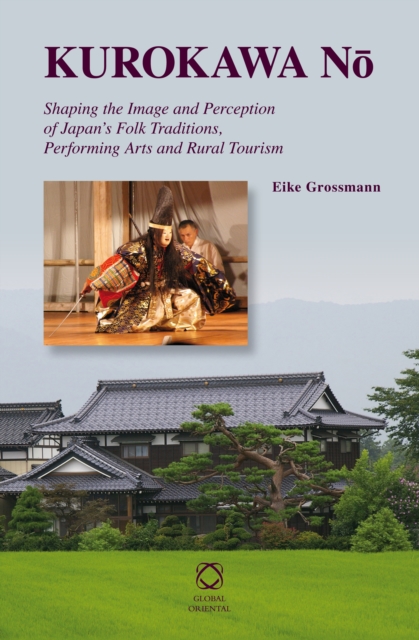
Kurokawa Nō
This study contains a detailed record of the history and development of Kurokawa nō, the processes of its transmission over the generations and its impact on the wider cultural life of Japan. Kurokawa Nō also offers an invaluable, authentic case study in the wider context of notions of Japanese self-perception and self-representation.
eBook
