
Catalogue Search | MBRL


Are you sure you want to remove the book from the shelf?

{{itemTitle}}
5,874
result(s) for
"NATURE / Endangered Species."
Sort by:

After the grizzly
Thoroughly researched and finely crafted, After the Grizzly traces the history of endangered species and habitat in California, from the time of the Gold Rush to the present. Peter S. Alagona shows how scientists and conservationists came to view the fates of endangered species as inextricable from ecological conditions and human activities in the places where those species lived. Focusing on the stories of four high-profile endangered species—the California condor, desert tortoise, Delta smelt, and San Joaquin kit fox—Alagona offers an absorbing account of how Americans developed a political system capable of producing and sustaining debates in which imperiled species serve as proxies for broader conflicts about the politics of place. The challenge for conservationists in the twenty-first century, this book claims, will be to redefine habitat conservation beyond protected wildlands to build more diverse and sustainable landscapes.
eBook

The secret lives of bats : my adventures with the world's most misunderstood mammals
A lifetime of adventures with bats around the world reveals why these special and imperiled creatures should be protected rather than feared.
eBook
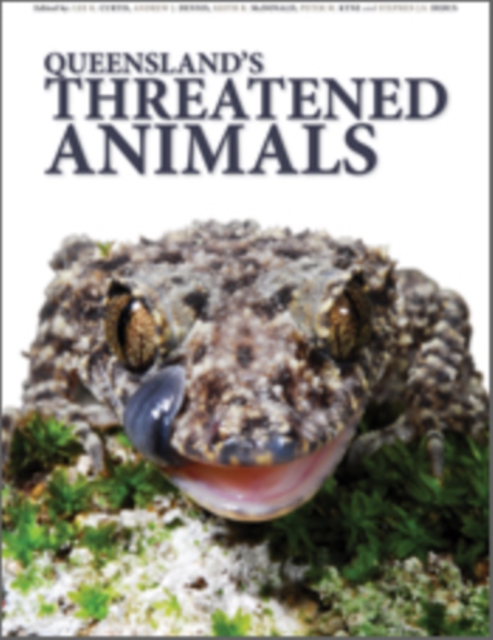
Queensland's Threatened Animals
Queensland is home to 70% of Australia's native mammals (226 species), over 70% of native birds (630 species), just over half of the nation's native reptiles (485) and native frogs (127), and more than 11 000 native plant species. Hundreds of these have a threatened status in Queensland. In order for Queensland to maintain and recover a healthy biodiversity we must address the serious problems faced by our natural environment - habitat loss, inappropriate land management, change in fire regimes, pollution of natural resources, proliferation of invasive species and climate change. This book features up-to-date distribution data, photos and maps for most of Queensland's threatened animals. It also includes a comprehensive list of resources, with key state, national and international organisations involved in the recovery and management of threatened species. Queensland's Threatened Animals will provide vital information to scientists, educators, business entities, government agencies, students, community groups, environmental NGOs, regional NRMs and potential volunteers.
eBook
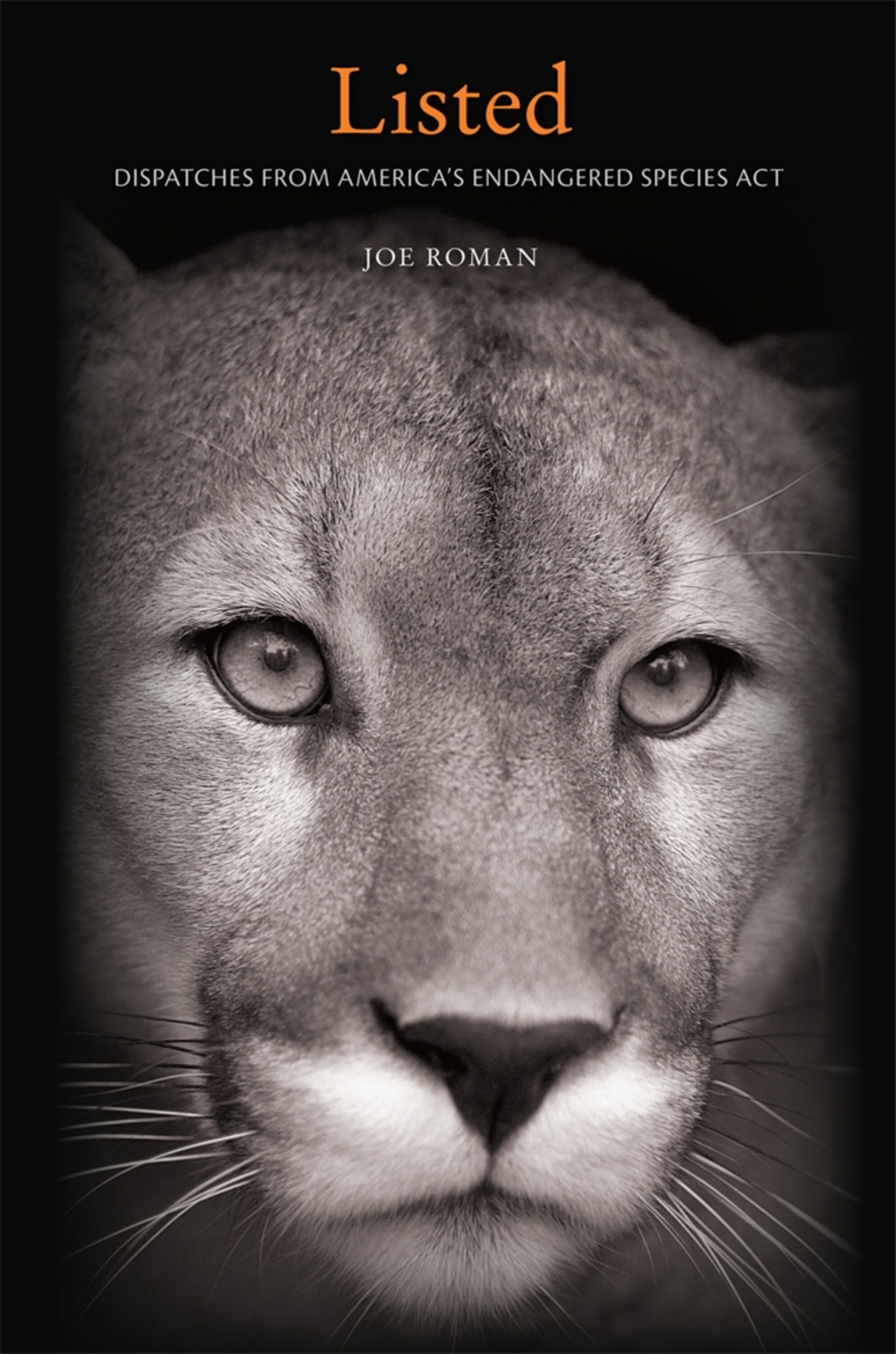
Listed
A lot has changed since the 1970s, when the tiny snail darter went extinct on the Little Tennessee River. Joe Roman helps us understand why we should all be happy about the sweeping law that made these changes possible. Listed is an engaging tale of endangered species in the wild and the people working to save them.
eBook
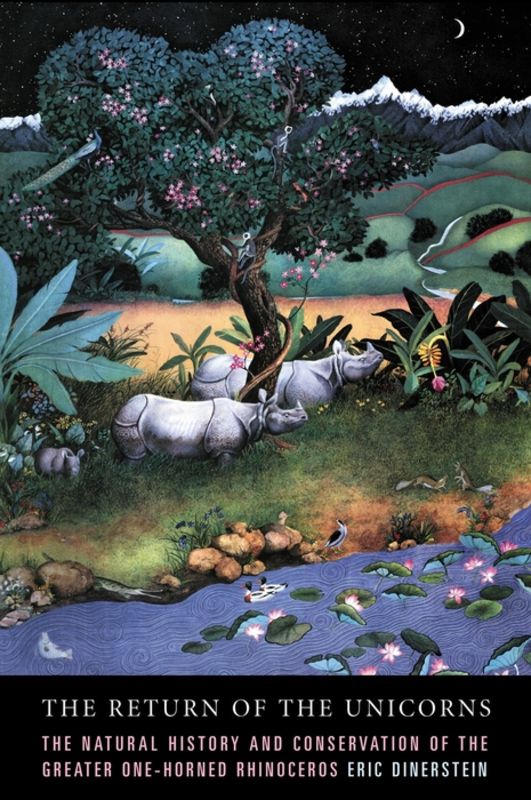
Return of the Unicorns
Since 1984, Eric Dinerstein has led the team directly responsible for the recovery of the greater one-horned rhinoceros in the Royal Chitwan National Park in Nepal, where the population had once declined to as few as 100 rhinos. The Return of the Unicorns is an account of what it takes to save endangered large mammals. Dinerstein outlines the multifaceted recovery program -- structured around targeted fieldwork and scientific research, effective protective measures, habitat planning and management, public-awareness campaigns, economic incentives to promote local guardianship, and bold, uncompromising leadership -- that brought these extraordinary animals back from the brink of extinction. In an age when scientists must also become politicians, educators, fund-raisers, and activists in order to safeguard the subjects they study, Dinerstein's inspiring story offers a successful model for large-mammal conservation applicable throughout Asia and across the globe.
eBook
Endangered and threatened species of the Platte River
The tension between wildlife protection under the Endangered Species Act and
water management in the Platte River Basin has existed for more than 25 years. The
Platte River provides important habitat for migratory and breeding birds, including
three endangered or threatened species: the whooping crane, the northern Great
Plains population of the piping plover, and the interior least tern. The leading factors
attributed to the decline of the cranes are historical overhunting and widespread
habitat destruction and, for the plovers and terns, human interference during
nesting and the loss of riverine nesting sites in open sandy areas that have been
replaced with woodlands, sand and gravel mines, housing, and roadways. Extensive
damming has disrupted passage of the endangered pallid sturgeon and resulted in
less suitable habitat conditions such as cooler stream flows, less turbid waters, and
inconsistent flow regimes. Commercial harvesting, now illegal, also contributed to
the decline of the sturgeon.
Endangered and Threatened Species of the Platte River addresses the habitat requirements
for these federally protected species. The book further examines the scientific
aspects of the U.S. Fish and Wildlife Service's instream-flow recommendations and
habitat suitability guidelines and assesses the science concerning the connections
among the physical systems of the river as they relate to species' habitats.
eBook

The Secret World of Red Wolves
Red wolves are shy, elusive, and misunderstood predators. Until the
1800s, they were common in the longleaf pine savannas and deciduous
forests of the southeastern United States. However, habitat
degradation, persecution, and interbreeding with the coyote nearly
annihilated them. Today, reintroduced red wolves are found only in
peninsular northeastern North Carolina within less than 1 percent
of their former range. In The Secret World of Red Wolves ,
nature writer T. DeLene Beeland shadows the U.S. Fish and Wildlife
Service's pioneering recovery program over the course of a year to
craft an intimate portrait of the red wolf, its history, and its
restoration. Her engaging exploration of this top-level predator
traces the intense effort of conservation personnel to save a
species that has slipped to the verge of extinction. Beeland weaves
together the voices of scientists, conservationists, and local
landowners while posing larger questions about human coexistence
with red wolves, our understanding of what defines this animal as a
distinct species, and how climate change may swamp its current
habitat.
eBook
Protecting life on Earth
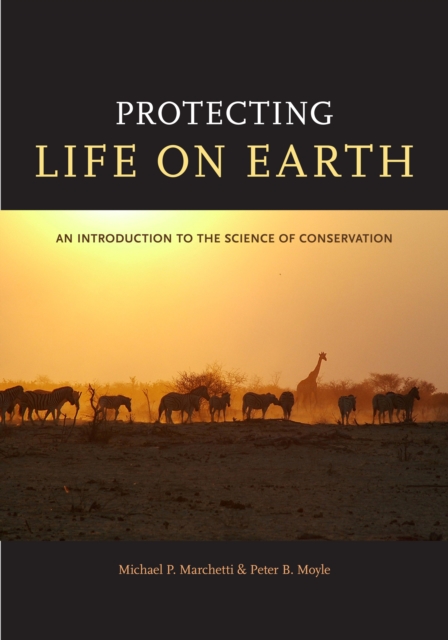
Written to be accessible to any college-level reader, Protecting Life on Earth offers a non-technical, yet comprehensive introduction to the growing field of conservation science. This multifaceted exploration of our current biodiversity crisis delivers vivid examples throughout, including features on some of nature’s most compelling wildlife. Beginning with a brief introduction to environmental history, the text introduces the central concepts of evolution and ecology, and covers several major issues related to the conservation of biodiversity including extinction, climate change, sustainability, conservation law, and invasive species. It also touches on adjacent disciples such as economics and sociology as they relate to conservation. The text even includes practical advice on the decisions we make every day—how we spend our money, where we live and work, what we eat and buy. Throughout, Protecting Life on Earth underscores the ways in which our future is tied to that of Earth’s threatened species, and demonstrates exactly why conservation is so vitally important for us all.
eBook

Impact of Conservation on the Status of the World's Vertebrates
Using data for 25,780 species categorized on the International Union for Conservation of Nature Red List, we present an assessment of the status of the world's vertebrates. One-fifth of species are classified as Threatened, and we show that this figure is increasing: On average, 52 species of mammals, birds, and amphibians move one category closer to extinction each year. However, this overall pattern conceals the impact of conservation successes, and we show that the rate of deterioration would have been at least one-fifth again as much in the absence of these. Nonetheless, current conservation efforts remain insufficient to offset the main drivers of biodiversity loss in these groups: agricultural expansion, logging, overexploitation, and invasive alien species.
Journal Article

Islands are key for protecting the world’s plant endemism
Islands are renowned as evolutionary laboratories and support many species that are not found elsewhere
1
,
2
. Islands are also of great conservation concern, with many of their endemic species currently threatened or extinct
3
. Here we present a standardized checklist of all known vascular plants that occur on islands and document their geographical and phylogenetic distribution and conservation risk. Our analyses of 304,103 plant species reveal that 94,052 species (31%) are native to islands, which constitute 5.3% of the global landmass
4
. Of these, 63,280 are island endemic species, which represent 21% of global plant diversity. Three-quarters of these are restricted to large or isolated islands. Compared with the world flora, island endemics are non-randomly distributed within the tree of life, with a total of 1,005 billion years of unique phylogenetic history with 17 families and 1,702 genera being entirely endemic to islands. Of all vascular plants assigned International Union for Conservation of Nature conservation categories
5
, 22% are island endemics. Among these endemic species, 51% are threatened, and 55% of all documented global extinctions have occurred on islands. We find that of all single-island endemic species, only 6% occur on islands meeting the United Nations 30×30 conservation target. Urgent measures including habitat restoration, invasive species removal and ex situ programmes are needed to protect the world’s island flora. Our checklist quantifies the uniqueness of island life, provides a basis for future studies of island floras, and highlights the urgent need to take actions for conserving them.
A standardized checklist of all known vascular plants shows the distribution of island native and endemic species, identifies their conservation status and highlights the need for actions to conserve them.
Journal Article