Catalogue Search | MBRL


Are you sure you want to remove the book from the shelf?

{{itemTitle}}
15,033
result(s) for
"NATURE / General."
Sort by:

Illustrations of bamboos in China
This book abounds with high-definition, informative photos, accurately demonstrating the taxonomical characteristics of bamboo's organs, particularly those of culm sheaths. Photos are supplemented with descriptions and a dozen hand-drawn, colored diagrams.
eBook

Dirt
Dirt, soil, call it what you want-it's everywhere we go. It is the root of our existence, supporting our feet, our farms, our cities. This fascinating yet disquieting book finds, however, that we are running out of dirt, and it's no laughing matter. An engaging natural and cultural history of soil that sweeps from ancient civilizations to modern times,Dirt: The Erosion of Civilizationsexplores the compelling idea that we are-and have long been-using up Earth's soil. Once bare of protective vegetation and exposed to wind and rain, cultivated soils erode bit by bit, slowly enough to be ignored in a single lifetime but fast enough over centuries to limit the lifespan of civilizations. A rich mix of history, archaeology and geology,Dirttraces the role of soil use and abuse in the history of Mesopotamia, Ancient Greece, the Roman Empire, China, European colonialism, Central America, and the American push westward. We see how soil has shaped us and we have shaped soil-as society after society has risen, prospered, and plowed through a natural endowment of fertile dirt. David R. Montgomery sees in the recent rise of organic and no-till farming the hope for a new agricultural revolution that might help us avoid the fate of previous civilizations.
eBook

Common Woody Plants and Cacti of South Texas
Woody plants and cacti are vital staple foods for cattle, deer, and other wildlife in drought-prone South Texas. Ranchers, hunters, and land managers who need to identify these plants relied on A Field Guide to Common South Texas Shrubs (published by Texas Parks & Wildlife Press and distributed by UT Press), which is no longer in print. Responding to ongoing demand for the book, Richard B. Taylor has completely updated and expanded it with seven new species, new photographs, and a quick plant identification key. Common Woody Plants and Cacti of South Texas is an easy-to-use plant identification field guide to fifty species that comprise an estimated 90 percent of the region’s woody canopy cover north of the Rio Grande Valley. The species accounts include photographs, descriptions, values to livestock and wildlife, and nutritional information. The book also provides historical perspectives and information on brush management techniques and strategies, as well as habitat appraisal. All of these resources will enable readers to analyze stocking rates for deer and cattle, evaluate a prospective hunting lease, or buy property.
eBook
Vietnam: A Natural History
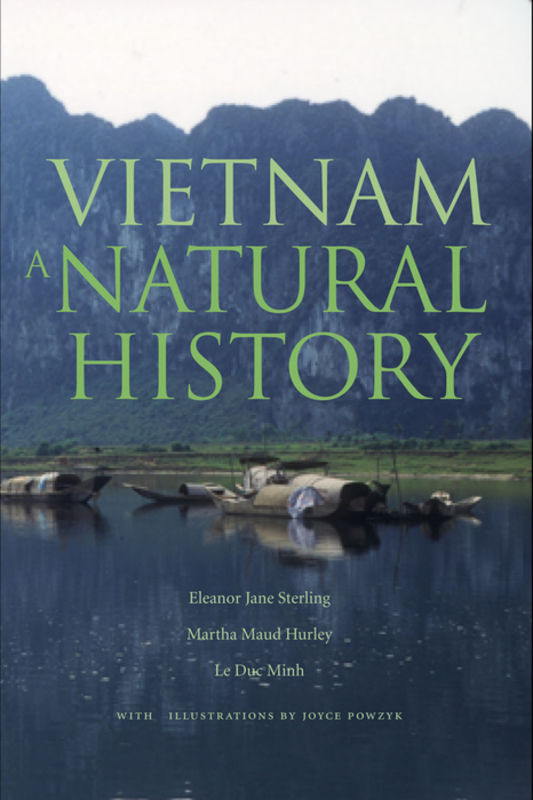
A country uncommonly rich in plants, animals, and natural habitats, the Socialist Republic of Vietnam shelters a significant portion of the world's biological diversity, including rare and unique organisms and an unusual mixture of tropical and temperate species. This book is the first comprehensive account of Vietnam's natural history in English. Illustrated with maps, photographs, and thirty-five original watercolor illustrations, the book offers a complete tour of the country's plants and animals along with a full discussion of the factors shaping their evolution and distribution.
Separate chapters focus on northern, central, and southern Vietnam, regions that encompass tropics, subtropics, mountains, lowlands, wetland and river regions, delta and coastal areas, and offshore islands. The authors provide detailed descriptions of key natural areas to visit, where a traveler might explore limestone caves or glimpse some of the country's twenty-seven monkey and ape species and more than 850 bird species. The book also explores the long history of humans in the country, including the impact of the Vietnam-American War on plants and animals, and describes current efforts to conserve Vietnam's complex, fragile, and widely threatened biodiversity.
eBook

California Indians and their environment
Capturing the vitality of California's unique indigenous cultures, this major new introduction incorporates the extensive research of the past thirty years into an illuminating, comprehensive synthesis for a wide audience. Based in part on new archaeological findings, it tells how the California Indians lived in vibrant polities, each boasting a rich village life including chiefs, religious specialists, master craftspeople, dances, feasts, and ceremonies. Throughout, the book emphasizes how these diverse communities interacted with the state's varied landscape, enhancing its already bountiful natural resources through various practices centered around prescribed burning. A handy reference section, illustrated with more than one hundred color photographs, describes the plants, animals, and minerals the California Indians used for food, basketry and cordage, medicine, and more. At a time when we are grappling with the problems of maintaining habitat diversity and sustainable economies, we find that these native peoples and their traditions have much to teach us about the future, as well as the past, of California.
eBook
Turtle
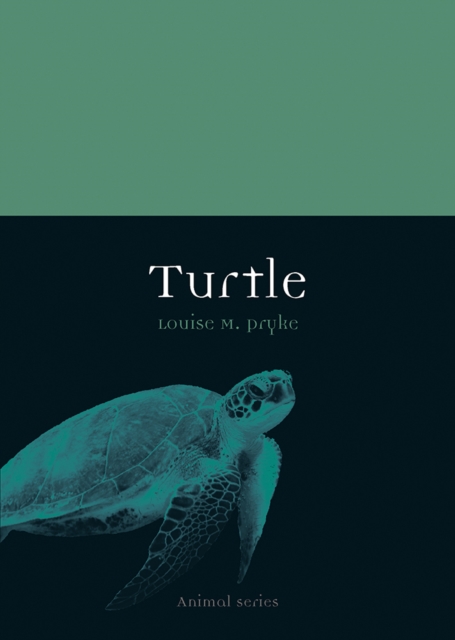
As ancient creatures that once shared the Earth with dinosaurs, turtles have played a crucial role in maintaining healthy terrestrial and marine ecosystems for more than one hundred million years. While it may not set records for speed on land, the turtle is exceptional at distance swimming and deep diving, and some are gifted with astounding longevity. In human thought, the animal's ties to creativity, wisdom, and warfare stretch back to the world's earliest written records. In Turtle, Louise M. Pryke celebrates the slow and unassuming manner of this doughty creature, which provides a living model of endurance and efficiency. In the increasingly fast-paced world of the twenty-first century, it has never been more important to consider the natural and cultural history of this remarkable animal.
eBook
Wild mammals of Wyoming and Yellowstone National Park
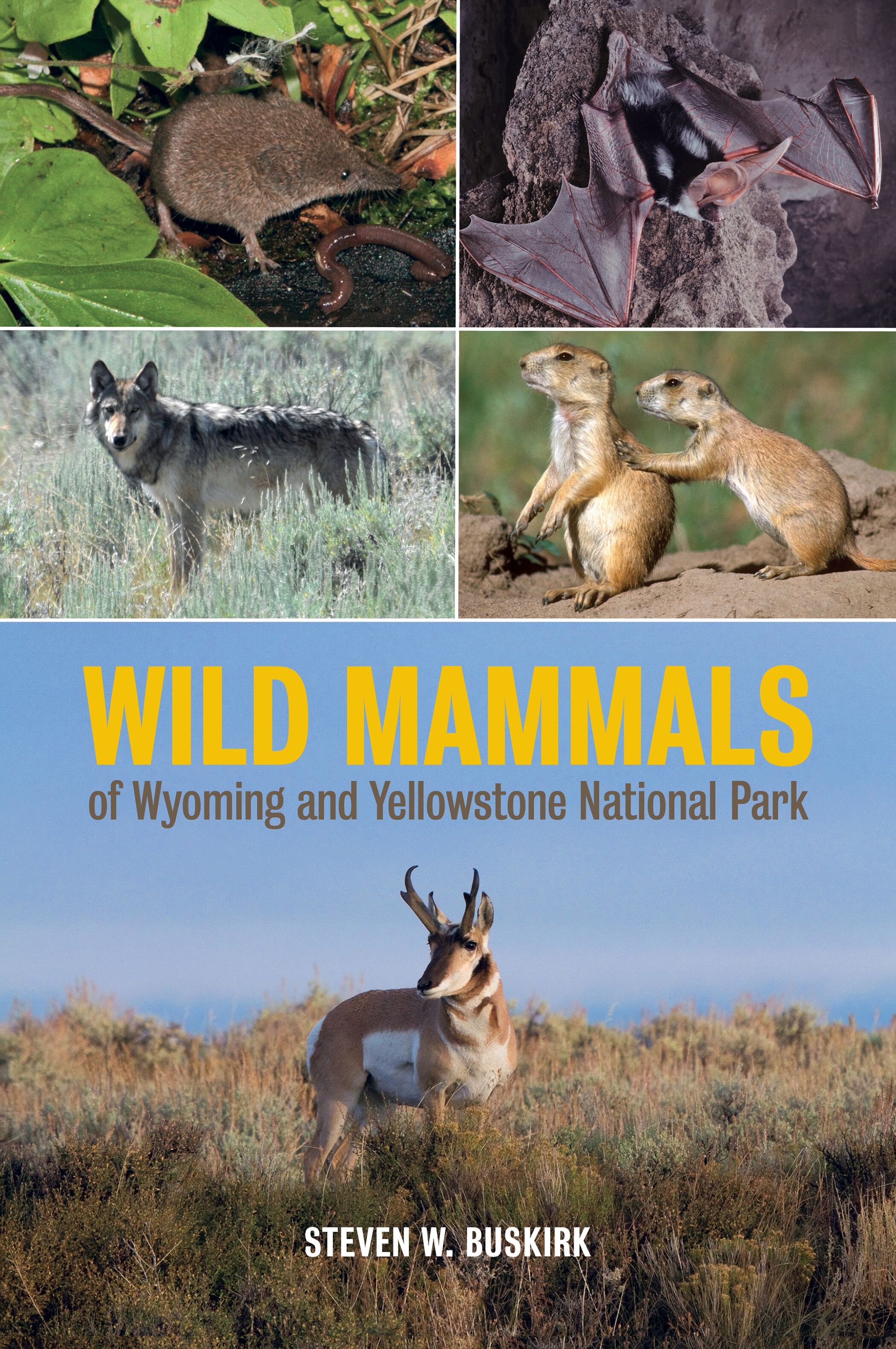
\"This book provides the scholar, conservationist, and interested lay reader with information on the state's 117 wild mammalian species from grizzly bears to pygmy shrews. It describes the history of mammalogy in Wyoming, the zoogeography of Wyoming mammals, and the prehistoric mammals of Wyoming. It also characterizes the habitats of Wyoming mammals and addresses the conservation and management of mammals in the region. Expanding beyond the traditional field guide, the author emphasizes taxonomic classification, geographic range, and conservation status for mammalian species. Introductory sections are provided for each order and family, and individual species accounts organize a wealth of data ranging from habitat associations to field measurements in an easy-to-use format. Featuring color species photos, continental and state-scale distribution maps, and a comprehensive bibliography with nearly 1,000 references\"--
eBook

Environment Disaster Linkages
This is one of the first books to focus on explicit linkages between the changing environment and disasters and suggests proactive approaches towards disaster management. A ready-reference for field practitioners it covers areas such as elements of environmental entry, impacts of environment and disaster, strategies, planning and the way forward.
eBook

Animality in British Romanticism
The scientific, political, and industrial revolutions of the Romantic period transformed the status of humans and redefined the concept of species. This book examines literary representations of human and non-human animality in British Romanticism. The book's novel approach focuses on the role of aesthetic taste in the Romantic understanding of the animal. Concentrating on the discourses of the sublime, the beautiful, and the ugly, Heymans argues that the Romantics' aesthetic views of animality influenced-and were influenced by-their moral, scientific, political, and theological judgment. The study reveals how feelings of environmental alienation and disgust played a positive moral role in animal rights poetry, why ugliness presented such a major problem for Romantic-period scientists and theologians, and how, in political writings, the violent yet awe-inspiring power of exotic species came to symbolize the beauty and terror of the French Revolution.
Linking the works of Wordsworth, Blake, Coleridge, Byron, the Shelleys, Erasmus Darwin, and William Paley to the theories of Immanuel Kant and Edmund Burke, this book brings an original perspective to the fields of ecocriticism, animal studies, and literature and science studies.
eBook