
Catalogue Search | MBRL


Are you sure you want to remove the book from the shelf?

{{itemTitle}}
27,620
result(s) for
"NUTRITIONAL DISEASES"
Sort by:
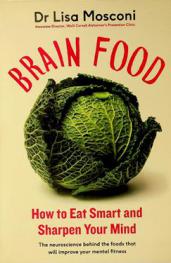
Brain food : the surprising science of eating for cognitive power
\"How to eat for maximum brain power and health from an expert in both neuroscience and nutrition. Like our bodies, our brains have very specific food requirements. And in this eye-opening book from an author who is both a neuroscientist and a certified integrative nutritionist, we learn what should be on our menu. Dr. Lisa Mosconi, whose research spans an extraordinary range of specialties including brain science, the microbiome, and nutritional genomics, notes that the dietary needs of the brain are substantially different from those of the other organs, yet few of us have any idea what they might be. Her innovative approach to cognitive health incorporates concepts that most doctors have yet to learn. Busting through advice based on pseudoscience, Dr. Mosconi provides recommendations for a complete food plan, while calling out noteworthy surprises, including why that paleo diet you are following may not be ideal, why avoiding gluten may be a terrible mistake, and how simply getting enough water can dramatically improve alertness. Including comprehensive lists of what to eat and what to avoid, a detailed quiz that will tell you where you are on the brain health spectrum, and 24 mouth-watering brain-boosting recipes that grow out of Dr. Mosconi's own childhood in Italy, Brain Food gives us the ultimate plan for a healthy brain. Brain Food will appeal to anyone looking to improve memory, prevent cognitive decline, eliminate brain fog, lift depression, or just sharpen their edge\"-- Provided by publisher.
Book

Vitamin B12 Deficiency
Vitamin B
12
deficiency causes reversible megaloblastic anemia, demyelinating disease, or both. Current assays have insufficient sensitivity and specificity; methylmalonic acid levels are useful to confirm diagnosis. Parenteral or high-dose oral vitamin B
12
is effective therapy.
Foreword
This
Journal
feature begins with a case vignette highlighting a common clinical problem. Evidence supporting various strategies is then presented, followed by a review of formal guidelines, when they exist. The article ends with the author's clinical recommendations.
Stage
A 57-year-old woman reports increasing symptoms of painful paresthesias in both legs for the past 18 months. Physical examination reveals impaired position sense and vibration sense. The serum vitamin B
12
level is 205 pg per milliliter (151.2 pmol per liter), which is above the lower end of the laboratory reference range. The hematocrit is 42%, with a mean corpuscular volume of 96 fl. The serum methylmalonic acid level is 3600 nmol per liter (normal level, <400), and the serum homocysteine level 49.1 μmol per liter (normal level, <14). How should this patient be further evaluated and treated?
The . . .
Journal Article

Be good to your gut : the ultimate guide to gut health-- with 80 delicious recipes to feed your body and mind
\"What if the answer to being the healthiest and happiest you could be is down to your gut and the complex and diverse kingdom of bugs that live there? Be Good to Your Gut will be an insightful and beautifully curated book based that will help you to better understand digestion. Based on Eve Kalinik's modern, fresh and innovative approach to gut health, it will arm you with the knowledge of what truly reflects a healthy and happy gut, and teach you how to translate this onto the plate with colourful, vibrant and energetic foods. Combining solid science and practical advice with inspiring and delicious recipes, Be Good to Your Gut will highlight the importance of good gut health and the many reasons to be enthusiastic about healthy eating. It will teach readers how to use food to support digestion, without sacrificing taste and flavour.\"--Provided by publisher.
Book

The politics of reducing malnutrition: building commitment and accelerating progress
In the past 5 years, political discourse about the challenge of undernutrition has increased substantially at national and international levels and has led to stated commitments from many national governments, international organisations, and donors. The Scaling Up Nutrition movement has both driven, and been driven by, this developing momentum. Harmonisation has increased among stakeholders, with regard to their understanding of the main causes of malnutrition and to the various options for addressing it. The main challenges are to enhance and expand the quality and coverage of nutrition-specific interventions, and to maximise the nutrition sensitivity of more distal interventions, such as agriculture, social protection, and water and sanitation. But a crucial third level of action exists, which relates to the environments and processes that underpin and shape political and policy processes. We focus on this neglected level. We address several fundamental questions: how can enabling environments and processes be cultivated, sustained, and ultimately translated into results on the ground? How has high-level political momentum been generated? What needs to happen to turn this momentum into results? How can we ensure that high-quality, well-resourced interventions for nutrition are available to those who need them, and that agriculture, social protection, and water and sanitation systems and programmes are proactively reoriented to support nutrition goals? We use a six-cell framework to discuss the ways in which three domains (knowledge and evidence, politics and governance, and capacity and resources) are pivotal to create and sustain political momentum, and to translate momentum into results in high-burden countries.
Journal Article


Maternal and child undernutrition and overweight in low-income and middle-income countries
Maternal and child malnutrition in low-income and middle-income countries encompasses both undernutrition and a growing problem with overweight and obesity. Low body-mass index, indicative of maternal undernutrition, has declined somewhat in the past two decades but continues to be prevalent in Asia and Africa. Prevalence of maternal overweight has had a steady increase since 1980 and exceeds that of underweight in all regions. Prevalence of stunting of linear growth of children younger than 5 years has decreased during the past two decades, but is higher in south Asia and sub-Saharan Africa than elsewhere and globally affected at least 165 million children in 2011; wasting affected at least 52 million children. Deficiencies of vitamin A and zinc result in deaths; deficiencies of iodine and iron, together with stunting, can contribute to children not reaching their developmental potential. Maternal undernutrition contributes to fetal growth restriction, which increases the risk of neonatal deaths and, for survivors, of stunting by 2 years of age. Suboptimum breastfeeding results in an increased risk for mortality in the first 2 years of life. We estimate that undernutrition in the aggregate—including fetal growth restriction, stunting, wasting, and deficiencies of vitamin A and zinc along with suboptimum breastfeeding—is a cause of 3·1 million child deaths annually or 45% of all child deaths in 2011. Maternal overweight and obesity result in increased maternal morbidity and infant mortality. Childhood overweight is becoming an increasingly important contributor to adult obesity, diabetes, and non-communicable diseases. The high present and future disease burden caused by malnutrition in women of reproductive age, pregnancy, and children in the first 2 years of life should lead to interventions focused on these groups.
Journal Article


ACE2 links amino acid malnutrition to microbial ecology and intestinal inflammation
Mutations in angiotensin-converting enzyme 2 are shown to predispose mice to colitis as a consequence of neutral amino acid malabsorption and a change in the resident microbiota; these results could explain how protein malnutrition — affecting up to one billion people — leads to intestinal inflammation.
Hunger pangs: how malnutrition leads to intestinal disorders
Malnutrition affects many millions of people in the developing world and remains a problem in wealthy nations, especially for disadvantaged groups. In many cases, it is the associated diarrhoea and intestinal inflammation that cause morbidity and death. A study published in this issue presents a molecular explanation for the increased susceptibility to intestinal inflammation in malnutrition. Angiotensin converting enzyme 2 (ACE2), which has a central role in blood-pressure regulation and has been implicated in diabetes, heart failure and viral infection, is shown to influence dietary amino-acid homeostasis, innate immunity, gut microbial ecology and susceptibility to colitis. Mice deficient in this enzyme show impaired tryptophan metabolism and develop colitis, which is alleviated by dietary tryptophan and its metabolite, nicotinamide. This surprising result explains nutritional effects that have been known for centuries and provides a molecular link between malnutrition and the intestinal microbiome.
Malnutrition affects up to one billion people in the world and is a major cause of mortality
1
,
2
. In many cases, malnutrition is associated with diarrhoea and intestinal inflammation, further contributing to morbidity and death
2
. The mechanisms by which unbalanced dietary nutrients affect intestinal homeostasis are largely unknown. Here we report that deficiency in murine angiotensin I converting enzyme (peptidyl-dipeptidase A) 2 (
Ace2
), which encodes a key regulatory enzyme of the renin-angiotensin system (RAS), results in highly increased susceptibility to intestinal inflammation induced by epithelial damage. The RAS is known to be involved in acute lung failure
3
, cardiovascular functions
4
and SARS infections
5
. Mechanistically, ACE2 has a RAS-independent function, regulating intestinal amino acid homeostasis, expression of antimicrobial peptides, and the ecology of the gut microbiome. Transplantation of the altered microbiota from
Ace2
mutant mice into germ-free wild-type hosts was able to transmit the increased propensity to develop severe colitis. ACE2-dependent changes in epithelial immunity and the gut microbiota can be directly regulated by the dietary amino acid tryptophan. Our results identify ACE2 as a key regulator of dietary amino acid homeostasis, innate immunity, gut microbial ecology, and transmissible susceptibility to colitis. These results provide a molecular explanation for how amino acid malnutrition can cause intestinal inflammation and diarrhoea.
Journal Article

The grain brain cookbook : more than 150 life-changing gluten-free recipes to transform your health
Dr. David Perlmutter's groundbreaking bestseller Grain Brain revolutionized the way we think about our health, exposing the devastating effects of wheat, sugar, and carbs on the brain and empowering us with new knowledge: by eating the right foods, you can profoundly affect how your brain will be working next year, in five years, and for the rest of your life. The Grain Brain Cookbook equips you to do just that, presenting more than 150 delectable recipes to keep your brain vibrant and your body fit, all while dramatically reducing your risk for, and treating Alzheimer's, depression, ADHD, and epilepsy, as well as relieving more common, everyday conditions like chronic headaches, insomnia, anxiety, and \"senior moments\" of forgetfulness. The meals in this book are wholesome, easy to prepare, and best of all, delicious to eat, making your transition to a gluten free life seamless, satisfying, and stress free in the kitchen.
BOOK

Maternal and Child Undernutrition 3 : What works? Interventions for maternal and child undernutrition and survival
We reviewed interventions that affect maternal and child undernutrition and nutrition-related outcomes. These interventions included promotion of breastfeeding; strategies to promote complementary feeding, with or without provision of food supplements; micronutrient interventions; general supportive strategies to improve family and community nutrition; and reduction of disease burden (promotion of handwashing and strategies to reduce the burden of malaria in pregnancy). We showed that although strategies for breastfeeding promotion have a large effect on survival, their effect on stunting is small. In populations with sufficient food, education about complementary feeding increased height-for-age Z score by 0.25 (95% CI 0.01-0.49), whereas provision of food supplements (with or without education) in populations with insufficient food increased the height-for-age Z score by 0.41 (0.05-0.76). Management of severe acute malnutrition according to WHO guidelines reduced the case-fatality rate by 55% (risk ratio 0.45, 0.32-0.62), and recent studies suggest that newer commodities, such as ready-to-use therapeutic foods, can be used to manage severe acute malnutrition in community settings. Effective micronutrient interventions for pregnant women included supplementation with iron folate (which increased haemoglobin at term by 12 g/L, 2.93-21.07) and micronutrients (which reduced the risk of low birthweight at term by 16% (relative risk 0.84, 0.74-0.95). Recommended micronutrient interventions for children included strategies for supplementation of vitamin A (in the neonatal period and late infancy), preventive zinc supplements, iron supplements for children in areas where malaria is not endemic, and universal promotion of iodised salt. We used a cohort model to assess the potential effect of these interventions on mothers and children in the 36 countries that have 90% of children with stunted linear growth. The model showed that existing interventions that were designed to improve nutrition and prevent related disease could reduce stunting at 36 months by 36%; mortality between birth and 36 months by about 25%; and disability-adjusted life-years associated with stunting, severe wasting, intrauterine growth restriction, and micronutrient deficiencies by about 25%. To eliminate stunting in the longer term, these interventions should be supplemented by improvements in the underlying determinants of undernutrition, such as poverty, poor education, disease burden, and lack of women's empowerment. [PUBLICATION ABSTRACT]
Journal Article