
Catalogue Search | MBRL


Are you sure you want to remove the book from the shelf?

{{itemTitle}}
2
result(s) for
"Nahuas Social life and customs Early works to 1800."
Sort by:

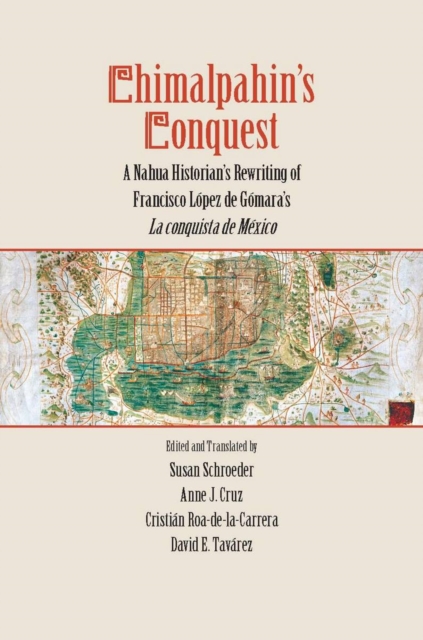
Chimalpahin's Conquest
This volume presents the story of Hernando Cortés's conquest of Mexico, as recounted by a contemporary Spanish historian and edited by Mexico's premier Nahua historian.
Francisco López de Gómara's monumental Historia de las Indias y Conquista de México was published in 1552 to instant success. Despite being banned from the Americas by Prince Philip of Spain,La conquista fell into the hands of the seventeenth-century Nahua historian Chimalpahin, who took it upon himself to make a copy of the tome. As he copied, Chimalpahin rewrote large sections ofLa conquista, adding information about Emperor Moctezuma and other key indigenous people who participated in those first encounters.
Chialpahin's Conquest is thus not only the first complete modern English translation of López de Gómara'sLa conquista, an invaluable source in itself of information about the conquest and native peoples; it also adds Chimalpahin's unique perspective of Nahua culture to what has traditionally been a very Hispanic portrayal of the conquest.
eBook