
Catalogue Search | MBRL


Are you sure you want to remove the book from the shelf?

{{itemTitle}}
13
result(s) for
"Nazis Diaries."
Sort by:

The devil's diary : Alfred Rosenberg and the stolen secrets of the Third Reich
A \"World War II narrative wrapped in a ... detective story, The Devil's Diary investigates the disappearance of a private diary penned by one of Adolf Hitler's top aides--Alfred Rosenberg, his chief philosopher--and mines its long-hidden pages to deliver [an] ... account of the Nazi rise to power and the genesis of the Holocaust\"--Amazon.com.
Book

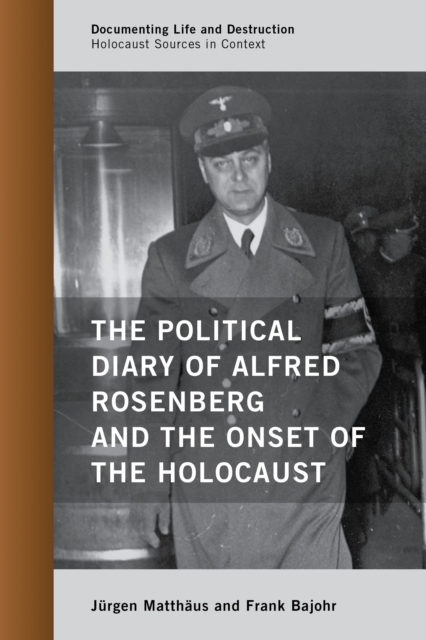
The Political Diary of Alfred Rosenberg and the Onset of the Holocaust
Published in association with the United States Holocaust Memorial Museum
In December 2013, after years of exhaustive search, the U.S. Holocaust Memorial Museum received more than four hundred pages of diary notes written by one of the most prominent Nazis, the Party's chief ideologue and Reich minister for the occupied Soviet territories Alfred Rosenberg. By combining Rosenberg's diary notes with additional key documents and in-depth analysis, this book shows Rosenberg's crucial role in the Nazi regime's anti-Jewish policy. In the second half of 1941 the territory administered by Rosenberg became the region where the mass murder of Jewish men, women, and children first became a systematic pattern. Indeed, months before the emergence of German death camps in Poland, Nazi leaders perceived the occupied Soviet Union as the area where the \"final solution of the Jewish question\" could be executed on a European scale. Covering almost the entire duration of the Third Reich, these previously inaccessible sources throw new light on the thoughts and actions of the leading men around Hitler during critical junctures that led to war, genocide, and Nazi Germany's final defeat.
eBook

Surviving Hitler's war
Telling the stories of mothers, fathers and children in their own words, Vaizey recreates the experience of family life in Nazi Germany. From last letters of doomed soldiers at Stalingrad to diaries kept by women trying to keep their families alive in cities under attack, the book vividly describes family life under the most extreme conditions.
eBook
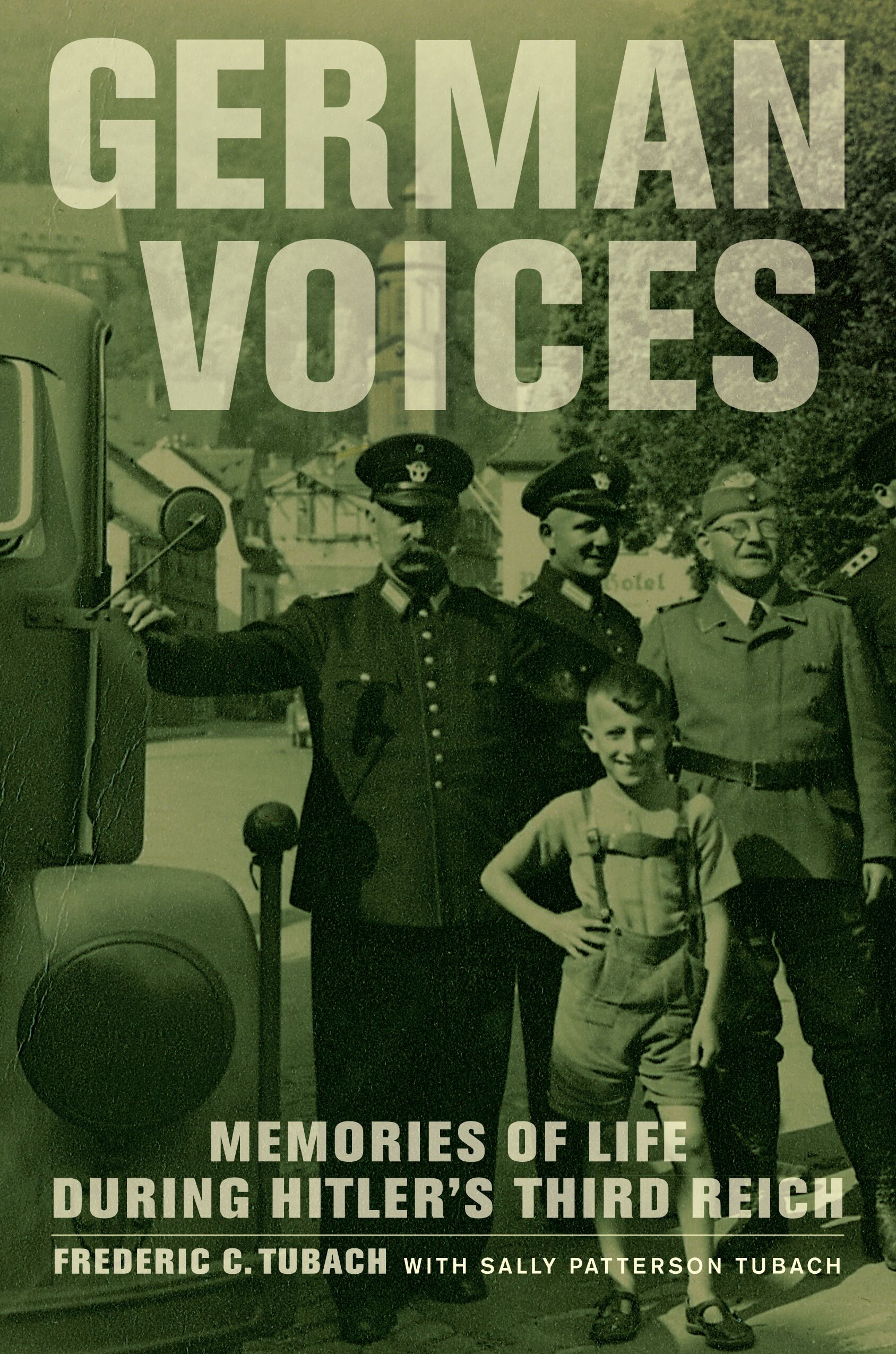
German voices
What was it like to grow up German during Hitler’s Third Reich? In this extraordinary book, Frederic C. Tubach returns to the country of his roots to interview average Germans who, like him, came of age between 1933 and 1945. Tubach sets their recollections and his own memories into a broad historical overview of Nazism—a regime that shaped minds through persuasion (meetings, Nazi Party rallies, the 1936 Olympics, the new mass media of radio and film) and coercion (violence and political suppression). The voices of this long-overlooked population—ordinary people who were neither victims nor perpetrators—reveal the rich complexity of their attitudes and emotions. The book also presents selections from approximately 80,000 unpublished letters (now archived in Berlin) written during the war by civilians and German soldiers. Tubach powerfully provides new insights into Germany’s most tragic years, offering a nuanced response to the abiding question of how a nation made the quantum leap from anti-Semitism to systematic genocide.
eBook


