
Catalogue Search | MBRL


Are you sure you want to remove the book from the shelf?

{{itemTitle}}
37,806
result(s) for
"Nervous System Diseases therapy."
Sort by:


Evaluating laser photobiomodulation for chemotherapy-induced peripheral neuropathy: a randomised phase II trial
Purpose
This study aims to evaluate the efficacy and safety of laser photobiomodulation (PBM) for treatment of established chemotherapy-induced peripheral neuropathy (CIPN) in cancer survivors.
Methods
We conducted a randomised phase II, non-comparative, sham-controlled, single-blinded clinical trial in 44 cancer survivors reporting CIPN symptoms at least 3 months following completion of neurotoxic chemotherapy. Participants were randomised 2:1 to either PBM laser or sham control delivered twice weekly for 12 sessions. Assessments were conducted at baseline, the end of intervention (6 weeks), and 6 weeks post intervention (12 weeks). Participants completed neuropathy, quality of life and function questionnaires, and a clinical neurological assessment. The primary outcome was proportion of participants with CIPN response, defined as either symptom resolution or reduction of minimally clinically important difference.
Results
In the laser and control groups, CIPN response rates were − 48% and 53% at 6 weeks and 45% and 33% at 12 weeks, respectively. The null hypothesis that the true response rate is 5% in the laser arm was rejected at both 6 and 12 weeks (
p
< 0.001 for both). Compared to baseline, patient-reported CIPN improved in both laser and control groups after the intervention. At 12 weeks, improvement was sustained in the laser group and approaching baseline in the control group. Clinical signs, quality of life, and function remained stable in both groups. Low-grade “side-effects” were observed in both arms.
Conclusion
PBM may offer clinically meaningful symptom benefit in cancer survivors with established CIPN with improvement potentially continuing beyond completion of the intervention. A larger study is warranted to evaluate this further.
Journal Article


A Randomized Sham-Controlled Mixed Methods Pilot Study of the Feasibility of Acupuncture for Chemotherapy-Induced Neuropathy: Lessons Learned From Patient Experiences in Integrative Cancer Care
Objective
Since there is a lack of effective pharmacological therapies for chemotherapy-induced neuropathy and many patients ask for integrative cancer therapies such as acupuncture, the objective of this pilot study was to describe patients’ experiences, and to study the feasibility and short-term effects of genuine acupuncture for chemotherapy-induced neuropathic pain and unpleasant sensations compared to sham acupuncture.
Methods:
The pilot study used mixed methods, collecting quantitative and qualitative data. Patients (n = 12) with chemotherapy-induced neuropathy after colorectal cancer were blindly randomized to genuine acupuncture or telescopic sham acupuncture. Individual interviews were conducted, and were analyzed using qualitative content analysis. The patients registered pain and unpleasant sensations (100 mm Visual Analog Scales) before and after n = 120 sessions, n = 60 genuine and n = 60 sham acupuncture sessions.
Results:
Five categories of patient experiences were described. The neuropathy negatively affected life. Physical activity was perceived to be important for health, but neuropathy was a barrier. The neuropathy required symptom-managing strategies. Acupuncture was pleasant and valuable, but some patients presented doubts regarding its effect mechanisms. After the genuine acupuncture sessions, pain (mean −2.0 steps relief during each session) and unpleasant sensations (−2.4) in the face was reduced more than after sham acupuncture (+0.1 steps worse pain, P = .018, +0.1 steps worse unpleasant sensations, P = .036). After genuine acupuncture, unpleasant sensations in the hands were reduced less (−0.23) compared to after sham acupuncture (−5.5, P = .002). Pain or unpleasant sensations in the feet did not change.
Conclusions:
Patients experienced that the neuropathy negatively changed their life and that acupuncture was pleasant and valuable. Patients receiving genuine acupuncture had short-term effects regarding pain and unpleasant sensations in the face compared to patients receiving sham acupuncture, while hands and feet did not improve. The patients were successfully blinded and complied with the acupuncture. We welcome future full-scaled randomized sham-controlled acupuncture studies.
Journal Article

Oral Opioid Therapy for Chronic Peripheral and Central Neuropathic Pain
Pain occurring after central nervous system or peripheral-nerve injury is known as neuropathic pain and is notoriously difficult to treat. Many physicians have avoided the use of opiates to treat this type of pain for fear of addiction or loss of efficacy due to tolerance. In this eight-week study, patients with neuropathic pain who were treated with high-strength levorphanol tablets had less intense pain than patients assigned to low-strength tablets but had more side effects.
Opioids, although frequently prescribed, remain a controversial treatment for chronic neuropathic pain.
1
–
7
Studies in animals and some studies in humans have suggested that chronic neuropathic pain may respond poorly to opioid therapy,
2
,
3
,
8
but placebo-controlled studies of brief intravenous infusions have demonstrated analgesia.
9
,
10
Oral controlled-release opioids have been reported to be superior to placebo for postherpetic neuralgia, but the responsiveness to opioids of many types of neuropathic pain, including the pain syndromes that follow central nervous system injuries and are considered to be especially difficult to manage, have not been evaluated in a blinded, prospective manner.
5
, . . .
Journal Article
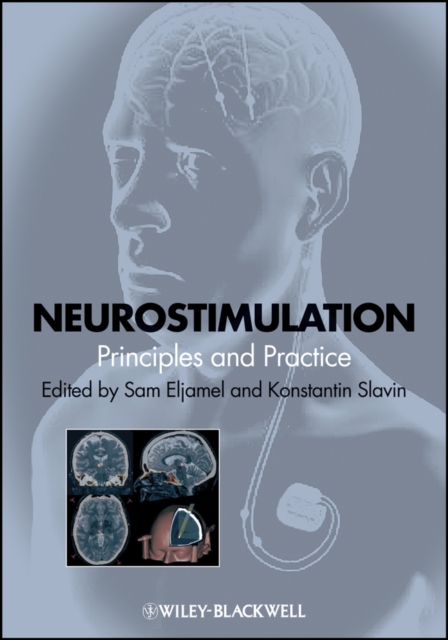
Neurostimulation : principles and practice
Could neurostimulation be a management option for your patients?
Neurostimulation techniques present real management options for patients with a range of neurologic and psychiatric disorders, such as movement disorders, pain, and depression. They should be actively considered when conventional medical approaches have failed or are inappropriate. But for many clinicians, these new methods pose many questions. What are the available modalities? How do they work? Which patients might benefit from them? How do I explain the processes to patients? How do I monitor my patient's progress after implantation?
Neurostimulation: Principles and Practice provides a concise, easy-to-read fusion of the clinical applications of implanted neurostimulators. It demystifies selection and referral criteria, maximizing therapy, programming the implanted neuromodulators, monitoring progress, and troubleshooting problems associated with neurostimulation.
Neurostimulation: Principles and Practice covers the modalities available for your patients:
* Deep brain stimulation
* Motor cortex stimulation
* Vagus nerve stimulation
* Spinal cord stimulation
* Peripheral nerve stimulation
Written by an international cast of experts, Neurostimulation: Principles and Practice sets the stage for you to provide real clinical benefit to your patients who might receive, or are already using, neurostimulators.
eBook
Effects of exercise during chemotherapy on chemotherapy-induced peripheral neuropathy: a multicenter, randomized controlled trial
PurposeOver half of all cancer patients receiving taxane-, platinum-, or vinca alkaloid-based chemotherapy experience chemotherapy-induced peripheral neuropathy (CIPN), which includes numbness, tingling, pain, cold sensitivity, and motor impairment in the hands and feet. CIPN is a dose-limiting toxicity, potentially increasing mortality. There are no FDA-approved drugs to treat CIPN, and behavioral interventions such as exercise are promising yet understudied. This secondary analysis of our nationwide phase III randomized controlled trial of exercise for fatigue examines (1) effects of exercise on CIPN symptoms, (2) factors that predict CIPN symptoms, and (3) factors that moderate effects of exercise on CIPN symptoms.MethodsCancer patients (N = 355, 56 ± 11 years, 93% female, 79% breast cancer) receiving taxane-, platinum-, or vinca alkaloid-based chemotherapy were randomized to chemotherapy or chemotherapy plus Exercise for Cancer Patients (EXCAP©®). EXCAP is a standardized, individualized, moderate-intensity, home-based, six-week progressive walking and resistance exercise program. Patients reported CIPN symptoms of numbness and tingling and hot/coldness in hands/feet (0–10 scales) pre- and post-intervention. We explored baseline neuropathy, sex, age, body mass index, cancer stage, and cancer type as possible factors associated with CIPN symptoms and exercise effectiveness.ResultsExercise reduced CIPN symptoms of hot/coldness in hands/feet (−0.46 units, p = 0.045) and numbness and tingling (− 0.42 units, p = 0.061) compared to the control. Exercise reduced CIPN symptoms more for patients who were older (p = 0.086), male (p = 0.028), or had breast cancer (p = 0.076).ConclusionsExercise appears to reduce CIPN symptoms in patients receiving taxane-, platinum-, or vinca alkaloid-based chemotherapy. Clinicians should consider prescribing exercise for these patients.Trial registrationClinical Trials.gov, # NCT00924651, http://www.clinicaltrials.gov.
Journal Article

Intrathecal Clonidine and Baclofen Enhance the Pain-Relieving Effect of Spinal Cord Stimulation
Spinal cord stimulation (SCS) is a well-established treatment for neuropathic pain; nevertheless, 40% of patients fail to obtain satisfactory pain relief and in many patients, the effect tends to diminish with time. Based on animal experiments, intrathecal baclofen was previously introduced clinically to enhance suboptimal SCS effects. Later animal experiments demonstrated similar data for clonidine. The aim of this study was to elucidate whether intrathecal clonidine or baclofen enhances the effect of SCS in neuropathic pain patients in whom the pain relieving-effect of SCS is inadequate.
A randomized, double-blind, placebo-controlled clinical trial was conducted with 10 patients experiencing neuropathic pain with insufficient pain relief with SCS alone. Clonidine, baclofen, and saline (control) were intrathecally administered by bolus injections in combination with SCS.
Seven of 10 patients reported significant pain reduction when SCS was combined with active drugs. The mean visual analog scale ratings were reduced by more than 50% with either drug combined with SCS. Four patients previously treated with SCS alone later underwent implantation of a pump for long-term administration of clonidine or baclofen. In the 2 patients with clonidine pumps with a mean follow-up of 15 months, the combined therapy produced pain reduction of 55% and 45%, respectively. The corresponding effect with baclofen was 32% and 82%, respectively, at 7 months follow-up.
A trial with clonidine and baclofen combined with SCS may be warranted in patients who do not obtain satisfactory pain relief with SCS alone or experienced a decreasing therapeutic effect.
Journal Article

IgG4-related disease of the central and peripheral nervous systems
IgG4-related disease can involve nearly any organ system, including the central and peripheral nervous systems. The pathology findings are consistent from organ to organ, but careful clinicopathological correlation is necessary to establish the diagnosis. Many non-neurological and neurological inflammatory conditions, previously regarded as idiopathic in nature, are now recognised to fall within the spectrum of IgG4-related disease. The condition is highly treatable, but probably remains substantially under-recognised. In this Review, we offer an important and timely update on the current and emerging aspects of this neurological disease. Following a short overview of IgG4-related disease, we describe the current understanding of neurological findings, pathophysiology, approaches to diagnosis, and treatment of IgG4-related disease affecting the central and peripheral nervous systems.
Journal Article

Evaluation of the effect of compression therapy using surgical gloves on nanoparticle albumin-bound paclitaxel-induced peripheral neuropathy: a phase II multicenter study by the Kamigata Breast Cancer Study Group
Purpose
To investigate the efficacy of using surgical glove (SG) compression therapy to prevent nanoparticle albumin-bound paclitaxel (nab-PTX)-induced peripheral neuropathy.
Patients and methods
Patients with primary and recurrent breast cancer who received 260 mg/m
2
of nab-PTX were eligible for this case-control study. Patients wore two SGs of the same size, i.e., one size smaller than the size that fit their dominant hand, for only 90 min. They did not wear two SGs on the non-dominant hand, which served as the control hand. Peripheral neuropathy was evaluated at each treatment cycle using common terminology criteria for adverse events (CTCAE) version 4.0 and the Patient Neurotoxicity Questionnaire. The temperature of each fingertip of the compression SG-protected hand and control hand was measured using thermography.
Results
Between August 2013 and January 2016, 43 patients were enrolled and 42 were evaluated. The occurrence rates of CTCAE grade 2 or higher sensory and motor peripheral neuropathies were significantly lower for SG-protected hands than for control hands (sensory neuropathy 21.4 vs. 76.1 %; motor neuropathy 26.2 vs. 57.1 %). No patients withdrew from this study because they could not tolerate the compression from the SGs. SG compression therapy significantly decreased the temperature of each fingertip by 1.6–2.2 °C as compared with the temperature before chemotherapy (
p
< 0.0001).
Conclusions
SG compression therapy is effective for reducing nab-PTX-induced peripheral neuropathy. The nab-PTX exposure to the peripheral nerve may be decreased because the SG decreases microvascular flow to the fingertip.
Journal Article