
Catalogue Search | MBRL


Are you sure you want to remove the book from the shelf?

{{itemTitle}}
1,590
result(s) for
"Nervous system-Surgery"
Sort by:
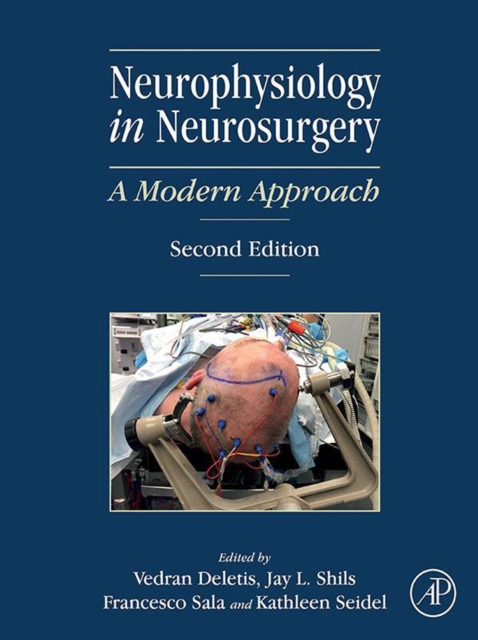
Neurophysiology in neurosurgery : a modern approach
Over the last 18 years, there have been many advances in the field of intraoperative monitoring.This new edition of Neurophysiology in Neurosurgery: A Modern Approach provides updates on the original techniques, as well as other more recent methodologies that may either prove beneficial or are commonly used in neuromonitoring.
eBook


Medical management and surgery versus medical management alone for symptomatic cerebral cavernous malformation (CARE): a feasibility study and randomised, open, pragmatic, pilot phase trial
The highest priority uncertainty for people with symptomatic cerebral cavernous malformation is whether to have medical management and surgery or medical management alone. We conducted a pilot phase randomised controlled trial to assess the feasibility of addressing this uncertainty in a definitive trial.
The CARE pilot trial was a prospective, randomised, open-label, assessor-blinded, parallel-group trial at neuroscience centres in the UK and Ireland. We aimed to recruit 60 people of any age, sex, and ethnicity who had mental capacity, were resident in the UK or Ireland, and had a symptomatic cerebral cavernous malformation. Computerised, web-based randomisation assigned participants (1:1) to medical management and surgery (neurosurgical resection or stereotactic radiosurgery) or medical management alone, stratified by the neurosurgeon's and participant's consensus about the intended type of surgery before randomisation. Assignment was open to investigators, participants, and carers, but not clinical outcome event adjudicators. Feasibility outcomes included site engagement, recruitment, choice of surgical management, retention, adherence, data quality, clinical outcome event rate, and protocol implementation. The primary clinical outcome was symptomatic intracranial haemorrhage or new persistent or progressive non-haemorrhagic focal neurological deficit due to cerebral cavernous malformation or surgery during at least 6 months of follow-up. We analysed data from all randomly assigned participants according to assigned management. This trial is registered with ISRCTN (ISRCTN41647111) and has been completed.
Between Sept 27, 2021, and April 28, 2023, 28 (70%) of 40 sites took part, at which investigators screened 511 patients, of whom 322 (63%) were eligible, 202 were approached for recruitment, and 96 had collective uncertainty with their neurosurgeon about whether to have surgery for a symptomatic cerebral cavernous malformation. 72 (22%) of 322 eligible patients were randomly assigned (mean recruitment rate 0·2 [SD 0·25] participants per site per month) at a median of 287 (IQR 67–591) days since the most recent symptomatic presentation. Participants’ median age was 50·6 (IQR 38·6–59·2) years, 68 (94%) of 72 participants were adults, 41 (57%) were female, 66 (92%) were White, 56 (78%) had a previous intracranial haemorrhage, and 28 (39%) had a previous epileptic seizure. The intended type of surgery before randomisation was neurosurgical resection for 19 (26%) of 72, stereotactic radiosurgery for 44 (61%), and no preference for nine (13%). Baseline clinical and imaging data were complete for all participants. 36 participants were randomly assigned to medical management and surgery (12 to neurosurgical resection and 24 to stereotactic radiosurgery) and 36 to medical management alone. Three (4%) of 72 participants withdrew, one was lost to follow-up, and one declined face-to-face follow-up, leaving 67 (93%) retained at 6-months’ clinical follow-up. 61 (91%) of 67 participants with follow-up adhered to the assigned management strategy. The primary clinical outcome occurred in two (6%) of 33 participants randomly assigned to medical management and surgery (8·0%, 95% CI 2·0–32·1 per year) and in two (6%) of 34 participants randomly assigned to medical management alone (7·5%, 1·9–30·1 per year). Investigators reported no deaths, no serious adverse events, one protocol violation, and 61 protocol deviations.
This pilot phase trial exceeded its recruitment target, but a definitive trial will require extensive international engagement.
National Institute for Health and Care Research.
Journal Article

Admissions : a life in brain surgery
Henry Marsh has spent four decades operating on the human brain. In this searing and provocative memoir, following his retirement from the NHS, he reflects on the experiences that have shaped his career and life, gaining a deeper understanding of what matters to us all in the end.
Functional neurosurgery : the essentials
Functional neurosurgery resource features state-of-the-art approaches from renowned experts! For patients with inadequately treated epilepsy, tremor, dystonia, spasticity, depression, obsessive-compulsive disorder, Parkinson's and Alzheimer's disease, functional neurosurgery offers hope. Functional Neurosurgery: The Essentials is a reader-friendly introduction to this fascinating and rapidly evolving field. The text is edited by internationally prominent functional neurosurgeons Jeffrey A. Brown, Julie G. Pilitsis, and Michael Schulder. It features contributions from authors with expertise spanning the disciplines of neurosurgery, neurology, rehabilitation and physical medicine, neurophysiology, bioengineering, psychiatry and ophthalmology. Opening with a brief history of stereotaxy/functional neurosurgery and brain stereotactic frames, 41 concise and coherent chapters explore cutting-edge approaches to a broad range of functionally treatable conditions. The chapters yield a solid foundation of understanding of the field, with insightful commentary, pearls, and nuances from the editors. The starting question in the neuroprosthetics chapter, \"Can a computer infer human intention or perception?\" brings to life the exciting, inquisitive, and pioneering spirit of this subspecialty. The robust reference list provides a guide to deeper study that should continue throughout training and practice. Highlights * Imaging: MRI and CT for stereotactic neurosurgery, fMRI and resting state MRI * Movement disorders: A comparative analysis of the risks and benefits of deep brain stimulation versus lesioning * Epilepsy: Temporal lobectomy and extra-temporal surgery; invasive monitoring, neuromodulation, laser interstitial thermal therapy, and vagus nerve stimulation * Dystonia: Etiology to diagnosis, medical and surgical options * Future innovations: Exoskeletons, intention controlled, and visual neuroprosthetics The text is a fundamental resource for neurosurgical residents during their functional neurosurgery rotations and for general neurosurgeons and functional subspecialists on procedures they may not routinely perform in clinical practice.
eBook


Nerve-sparing laparoscopic eradication of deep endometriosis with segmental rectal and parametrial resection: the Negrar method. A single-center, prospective, clinical trial
Background
The weight of surgical radicality, together with a lack of anatomical theoretical basis for surgery and inappropriate practical skills, can lead to serious impairments to bladder, rectal, and sexual functions after laparoscopic excision of deep infiltrating endometriosis. Although the “classical” laparoscopic technique for endometriosis excision involving segmental bowel resection has proven to relieve symptoms successfully, it is hampered by several postoperative long-term and/or definitive pelvic dysfunctions.
Methods
In this prospective cohort study, we compare the laparoscopic nerve-sparing approach to the classical laparoscopic procedure in a series of 126 cases. Satisfactory data for bowel, bladder, and sexual function were considered as primary endpoints.
Results
A total of 126 patients were considered for analysis: 61 treated with nerve-sparing radical excision of pelvic endometriosis with segmental bowel resection (group B), and 65 treated with the classical technique (group A). Intraoperative, perioperative, and postoperative complications were similar between the two groups. Mean days of self-catheterization were significantly lower in the nerve-sparing group (39.8 days) compared with the non-nerve-sparing group (121.1 days;
p
< 0.001). The relapse rate within 12 months after surgery was comparable between the two groups. Patients of group A suffered from urinary retention more frequently between 1 and 6 months (
p
= 0.035) compared with group B and did not experience any improvement between 6 months and 1 year (
p
= 0.018). Overall detection of severe bladder/rectal/sexual dysfunctions was significantly different between the two groups, and 56 patients of group A (86.2%) reported a significantly higher rate of severe neurologic pelvic dysfunctions vs. 1 patient (1.6%) of group B (
p
< 0.001).
Conclusions
Our technique appears to be feasible and offers good results in terms of reduced bladder morbidity and apparently higher satisfaction than the classical technique. Considering that this kind of surgery requires uncommon surgical skills and anatomical knowledge, we believe that it should be performed only in selected reference centers.
Journal Article


Rationale and Design of Sympathetic Mapping/Ablation of Renal Nerves Trial (SMART) for the Treatment of Hypertension: a Prospective, Multicenter, Single-Blind, Randomized and Sham Procedure-Controlled Study
Renal denervation (RDN) is proposed as a durable and patient compliance independent treatment for hypertension. However, 20–30% non-responder after RDN treatment weakened the therapeutic effect, which may be due to blind ablation. The renal nerve mapping/selective ablation system developed by SyMap Medical Ltd (Suzhou), China, has the function of mapping renal sympathetic/parasympathetic nerve sites and selectively removing renal sympathetic nerves and is expected to meet the urgent unmet clinical need of targeted RDN. The “Sympathetic Mapping/Ablation of Renal Nerves Trial” (SMART) is a prospective, multicenter, randomized, single-blinded, sham procedure-controlled trial, to evaluate the safety and efficacy of targeted renal sympathetic denervation in patients with essential and uncontrolled hypertension. The study is the first clinical registry trial using a targeted RDN for the treatment of uncontrolled hypertension; the dual-endpoint design can answer the question of how many antihypertensive drugs can be reduced in patients after RDN. The trial is registered on clinicaltrials.gov NCT02761811.
Journal Article