
Catalogue Search | MBRL


Are you sure you want to remove the book from the shelf?

{{itemTitle}}
254
result(s) for
"Neurologia"
Sort by:

Rivaroxaban for Stroke Prevention after Embolic Stroke of Undetermined Source
In a randomized trial involving patients who had a first stroke from an embolus of unknown source, rivaroxaban at a daily dose of 15 mg did not result in a lower incidence of recurrent stroke than aspirin at a dose of 100 mg. Bleeding rates were higher with rivaroxaban.
Journal Article

Clinical applications of neurofeedback based on sensorimotor rhythm: a systematic review and meta-analysis
post-intervention scales. Statistical analysis indicated that stroke patients did not benefit from neurofeedback interventions when compared to other therapies (Std. mean. dif. 0.31, 95% CI 0.03 -0.60, p = 0.03), and there was no significant heterogeneity among stroke studies, classified as moderate I² = 46% p-value=0.06. Patients diagnosed with fibromyalgia showed, by means of quantitative analysis, a better benefit for the group that used neurofeedback (Std. mean. dif. -0.73, 95% CI -1.22 --0.24, p = 0.001). Thus, on performing the pooled analysis between conditions, no significant differences were observed between the neurofeedback intervention and standard therapy (0,05, CI 95%, -0,20 -0,30, p = 0,69), with the presence of substantial heterogeneity I² = 92.2%, pvalue <0.001. Conclusion: We conclude that although neurofeedback based on electrophysiological patterns of SMR contemplates the interest of numerous researchers and the existence of research that presents promising results, it is currently not possible to point out the clinical benefits of the technique as a form of clinical intervention. Therefore it is necessary to develop more robust studies with a greater sample of a more rigorous methodology to understand the benefits that the technique can provide to the population.
Journal Article

Cortical Excitability and Activation of TrkB Signaling During Rebound Slow Oscillations Are Critical for Rapid Antidepressant Responses
Rapid antidepressant effects of ketamine become most evident when its psychotomimetic effects subside, but the neurobiological basis of this “lag” remains unclear. Laughing gas (N
2
O), another NMDA-R (
N
-methyl-
d
-aspartate receptor) blocker, has been reported to bring antidepressant effects rapidly upon drug discontinuation. We took advantage of the exceptional pharmacokinetic properties of N
2
O to investigate EEG (electroencephalogram) alterations and molecular determinants of antidepressant actions during and immediately after NMDA-R blockade. Effects of the drugs on brain activity were investigated in C57BL/6 mice using quantitative EEG recordings. Western blot and qPCR were used for molecular analyses. Learned helplessness (LH) was used to assess antidepressant-like behavior. Immediate-early genes (e.g.,
bdnf
) and phosphorylation of mitogen-activated protein kinase—markers of neuronal excitability—were upregulated during N
2
O exposure. Notably, phosphorylation of BDNF receptor TrkB and GSK3β (glycogen synthase kinase 3β) became regulated only gradually upon N
2
O discontinuation, during a brain state dominated by slow EEG activity. Subanesthetic ketamine and flurothyl-induced convulsions (reminiscent of electroconvulsive therapy) also evoked slow oscillations when their acute pharmacological effects subsided. The correlation between ongoing slow EEG oscillations and TrkB-GSK3β signaling was further strengthened utilizing medetomidine, a hypnotic-sedative agent that facilitates slow oscillations directly through the activation of α
2
-adrenergic autoreceptors. Medetomidine did not, however, facilitate markers of neuronal excitability or produce antidepressant-like behavioral changes in LH. Our results support a hypothesis that transient cortical excitability and the subsequent regulation of TrkB and GSK3β signaling during homeostatic emergence of slow oscillations are critical components for rapid antidepressant responses.
Journal Article

Electronic Engineering for Neuromedicine
The book discusses the application of electronic engineering in neuromedical practice and shows by illustrative examples how electronic engineering and neuroscience have merged to form the hybrid discipline of neural engineering.
eBook
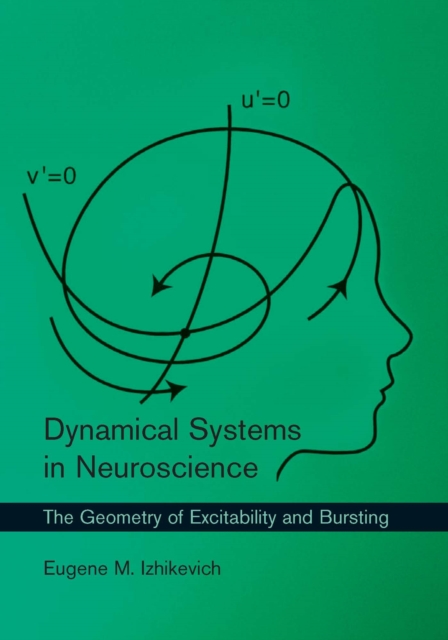
Dynamical systems in neuroscience : the geometry of excitability and bursting
Explains the relationship of electrophysiology, nonlinear dynamics, and the computational properties of neurons, with each concept presented in terms of both neuroscience and mathematics and illustrated using geometrical intuition.
eBook

Ultrasound and dynamic functional imaging in vascular cognitive impairment and Alzheimer’s disease
Background
The vascular contributions to neurodegeneration and neuroinflammation may be assessed by magnetic resonance imaging (MRI) and ultrasonography (US). This review summarises the methodology for these widely available, safe and relatively low cost tools and analyses recent work highlighting their potential utility as biomarkers for differentiating subtypes of cognitive impairment and dementia, tracking disease progression and evaluating response to treatment in various neurocognitive disorders.
Methods
At the 9th International Congress on Vascular Dementia (Ljubljana, Slovenia, October 2015) a writing group of experts was formed to review the evidence on the utility of US and arterial spin labelling (ASL) as neurophysiological markers of normal ageing, vascular cognitive impairment (VCI) and Alzheimer’s disease (AD). Original articles, systematic literature reviews, guidelines and expert opinions published until September 2016 were critically analysed to summarise existing evidence, indicate gaps in current knowledge and, when appropriate, suggest standards of use for the most widely used US and ASL applications.
Results
Cerebral hypoperfusion has been linked to cognitive decline either as a risk or an aggravating factor. Hypoperfusion as a consequence of microangiopathy, macroangiopathy or cardiac dysfunction can promote or accelerate neurodegeneration, blood-brain barrier disruption and neuroinflammation. US can evaluate the cerebrovascular tree for pathological structure and functional changes contributing to cerebral hypoperfusion. Microvascular pathology and hypoperfusion at the level of capillaries and small arterioles can also be assessed by ASL, an MRI signal. Despite increasing evidence supporting the utility of these methods in detection of microvascular pathology, cerebral hypoperfusion, neurovascular unit dysfunction and, most importantly, disease progression, incomplete standardisation and missing validated cut-off values limit their use in daily routine.
Conclusions
US and ASL are promising tools with excellent temporal resolution, which will have a significant impact on our understanding of the vascular contributions to VCI and AD and may also be relevant for assessing future prevention and therapeutic strategies for these conditions. Our work provides recommendations regarding the use of non-invasive imaging techniques to investigate the functional consequences of vascular burden in dementia.
Journal Article

The Italian Dystonia Registry: rationale, design and preliminary findings
The Italian Dystonia Registry is a multicenter data collection system that will prospectively assess the phenomenology and natural history of adult-onset dystonia and will serve as a basis for future etiological, pathophysiological and therapeutic studies. In the first 6 months of activity, 20 movement disorders Italian centres have adhered to the registry and 664 patients have been recruited. Baseline historical information from this cohort provides the first general overview of adult-onset dystonia in Italy. The cohort was characterized by a lower education level than the Italian population, and most patients were employed as artisans, builders, farmers, or unskilled workers. The clinical features of our sample confirmed the peculiar characteristics of adult-onset dystonia, i.e. gender preference, peak age at onset in the sixth decade, predominance of cervical dystonia and blepharospasm over the other focal dystonias, and a tendency to spread to adjacent body parts, The sample also confirmed the association between eye symptoms and blepharospasm, whereas no clear association emerged between extracranial injury and dystonia in a body site. Adult-onset dystonia patients and the Italian population shared similar burden of arterial hypertension, type 2 diabetes, coronary heart disease, dyslipidemia, and hypothyroidism, while hyperthyroidism was more frequent in the dystonia population. Geographic stratification of the study population yielded no major difference in the most clinical and phenomenological features of dystonia. Analysis of baseline information from recruited patients indicates that the Italian Dystonia Registry may be a useful tool to capture the real world clinical practice of physicians that visit dystonia patients.
Journal Article

Neurología intervencionista: una segunda especialidad en crecimiento
En la actualidad hay un creciente interés por ofrecer el mejor tratamiento posible a cada paciente y es notable el desarrollo de técnicas y materiales de neurointervencionismo para un tratamiento efectivo y no invasivo. Los neurólogos están expuestos día a día en el estudio, el manejo y el seguimiento de la enfermedades cerebrovasculares y patologías prevalentes como el ACV isquémico con compromiso de gran vaso que requiere trombectomía, estenosis intra o extracraneal que requiera stent, ACV hemorrágico y otras condiciones no vasculares menos frecuentes, con un rol activo en todo el proceso desde el diagnóstico hasta el tratamiento neurointervencionista.La historia inicia con el pionero de la neuroangiografía hacia la década de 1920, Egas Moniz, neurólogo portugués que desarrolló sus investigaciones y presentó los resultados en la Sociedad de Neurología de París en 1927. Muchos años después, hacia la década de 1970, por la contribución de varios especialistas en neurología, neurorradiología y neurocirugía, finalmente se desarrollaron las técnicas y el equipamiento para hacer los procedimientos de neurointervencionismo. Su crecimiento inició en 1980 con algunos pioneros que tenían doble formación en neurología y neuroimagen y la creación de las primeras agremiaciones de neurointervencionistas. Ya en la década de 1990, se comenzó a hablar de la neurología intervencionista como una especialidad en la neurología y el papel del neurólogo en su desarrollo.
Journal Article

Paraparesis secondary to erratic migration of Dioctophyma renale in a dog
A 4 years old mongrel stray bitch, weighing 16kg was submitted to physical examination to demonstrated inability of locomotion with the pelvic limbs. Extradural spinal cord compression was observed in myelotomography of the thoracolumbar segment. The patient was submitted to exploratory hemilaminectomy of T13-L1 and L1-L2, in an attempt to decompress the medullar segments. During the surgery was observed one adult parasite, identified as Dioctophyma renale , located in the extradural space and causing spinal cord compression. The patient was submitted to postoperative physical therapy, presenting clinical improvement 15 days after surgery, remaining on prone position and able to move the pelvic limbs, but not yet able to walk unassisted. It started walking naturally 60 days after the surgery. With the present clinical report, the erratic migration of the parasite Dioctophyma renale should be added to the list of differential diagnoses for patients with paraparesis and extramedullary lesion pattern, especially in endemic areas. RESUMO: Uma cadela errante, com 16kg de peso e aproximadamente 4 anos de idade foi submetida ao exame físico por demonstrar déficit de locomoção dos membros pélvicos. A mielotomografia revelou compressão extradural da medula espinhal, no segmento toracolombar. A paciente foi submetida a uma hemilaminectomia exploratória T13-L1 e L1-L2, na tentativa de descompressão do segmento mencionado. Durante a cirurgia, foi observado um parasita nematódeo adulto, identificado como Dioctophyma renale , localizado no espaço extradural e causando compressão medular. Instituída fisioterapia pós-operatória, a cadela apresentou melhora clínica após 15 dias do procedimento cirúrgico, mantendo-se em estação com capacidade para movimentar os membros pélvicos e passou a caminhar 60 dias após a cirurgia. Dessa forma, pode-se considerar a migração errática de Dioctophyma renale como diagnóstico diferencial para pacientes com paraparesia e padrão de lesão extramedular, especialmente em regiões nas quais a parasitose seja endêmica.
Journal Article