
Catalogue Search | MBRL


Are you sure you want to remove the book from the shelf?

{{itemTitle}}
3
result(s) for
"Nobility -- Hungary -- History -- To 1500"
Sort by:

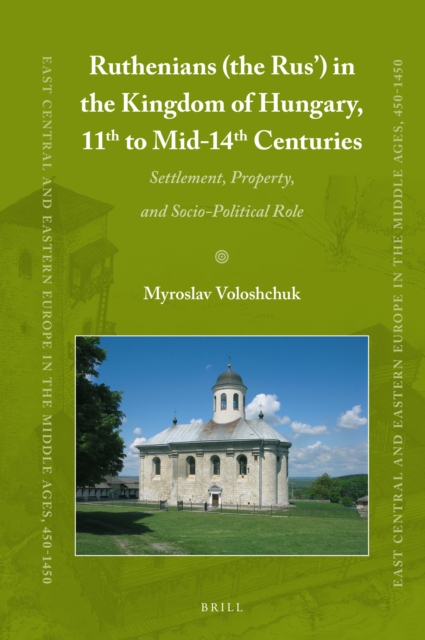
Ruthenians (the Rus') in the Kingdom of Hungary (11th to Mid- 14th Century)
This book presents a collective portrait of the inhabitants of Árpádian- and Angevin-era Hungary identified by their countrymen as Rutheni, illuminating their role in the social and political life of the kingdom.
eBook
The ‘Business of War’ in Hungary: Saltpetre Contracting during the Napoleonic Period
Through a case study of Baron Miklós Vay’s saltpetre contract in eastern Hungary during the Napoleonic period, this chapter demonstrates the continuing importance of the local commercial and industrial initiatives of landowning nobles in Hungary. It also illuminates the vital role played by local and Monarchy-wide personal networks in the business of war. Vay’s personal contacts at the highest level in the Aulic Chamber secured him government business. His case shows how enthusiastically and adeptly some Hungarian nobles, their constitutional reservations notwithstanding, availed themselves of economic opportunities in connection with the wider Monarchy and its armed forces. The main argument is that this arrangement benefited all involved, ultimately serving the interests of the Habsburg Monarchy by ensuring its survival at an time of near-permanent war.
Book Chapter