
Catalogue Search | MBRL


Are you sure you want to remove the book from the shelf?

{{itemTitle}}
2,475
result(s) for
"Obstetrics Quality control."
Sort by:

Birth defects
\"For over 25 years, the Greenhaven Press Opposing Viewpoints Series has developed and set the standard for current-issue studies. With more than 90 volumes covering nearly every controversial contemporary topic, Opposing Viewpoints is the leading source for libraries and classrooms in need of current-issue materials. Each title explores a specific issue by placing expert opinions in a unique pro/con format. The viewpoints are selected from a wide range of highly respected and often hard-to-find sources and publications. By choosing from such diverse sources and including both popular and unpopular views, the Opposing Viewpoints editorial team has adhered to its commitment to editorial objectivity. Readers are exposed to many sides of a debate, which promotes issue awareness as well as critical thinking. In short, Opposing Viewpoints is the best research and learning tool for exploring the issues that continually shape and define our turbulent and changing world\"-- Provided by publisher.
BOOK
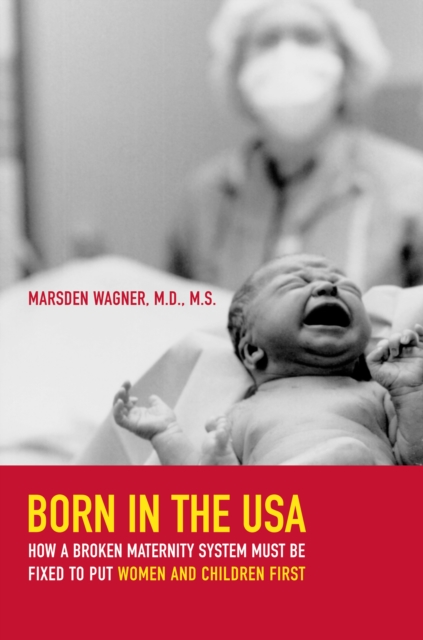
Born in the USA
In this rare, behind-the-scenes look at what goes on in hospitals across the country, a longtime medical insider and international authority on childbirth assesses the flawed American maternity care system, powerfully demonstrating how it fails to deliver safe, effective care for both mothers and babies. Written for mothers and fathers, obstetricians, nurses, midwives, scientists, insurance professionals, and anyone contemplating having a child, this passionate exposé documents how, in the most expensive maternity care system in the world, women have lost control over childbirth and what the disturbing results of this phenomenon have been.Born in the USAexamines issues including midwifery and the safety of out-of-hospital birth, how the process of becoming a doctor can adversely affect both practitioners and their patients, and why there has been a rise in the use of risky but doctor-friendly interventions, including the use of Cytotec, a drug that has not been approved by the FDA for pregnant women. Most importantly, this gripping investigation, supported by many troubling personal stories, explores how women can reclaim the childbirth experience for the betterment of themselves and their children.Born in the USAtells:* Why women are 70% more likely to die in childbirth in America than in Europe * What motivates obstetricians to use dangerous and unnecessary drugs and procedures * How the present malpractice crisis has been aggravated by the fear of accountability * Why procedures such as cesarean section and birth inductions are so readily used
eBook

Quality of care, risk management, and technology in obstetrics to reduce hospital-based maternal mortality in Senegal and Mali (QUARITE): a cluster-randomised trial
Maternal mortality is higher in west Africa than in most industrialised countries, so the development and validation of effective interventions is essential. We did a trial to assess the effect of a multifaceted intervention to promote maternity death reviews and onsite training in emergency obstetric care in referral hospitals with high maternal mortality rates in Senegal and Mali.
We did a pragmatic cluster-randomised controlled trial, with hospitals as the units of randomisation and patients as the unit of analysis. 46 public first-level and second-level referral hospitals with more than 800 deliveries a year were enrolled, stratified by country and hospital type, and randomly assigned to either the intervention group (n=23) or the control group with no external intervention (n=23). All women who delivered in each of the participating facilities during the baseline and post-intervention periods were included. The intervention, implemented over a period of 2 years at the hospital level, consisted of an initial interactive workshop and quarterly educational clinically-oriented and evidence-based outreach visits focused on maternal death reviews and best practices implementation. The primary outcome was reduction of risk of hospital-based mortality. Analysis was by intention-to-treat and relied on the generalised estimating equations extension of the logistic regression model to account for clustering of women within hospitals. This study is registered with ClinicalTrials.gov, number ISRCTN46950658.
191 167 patients who delivered in the participating hospitals were analysed (95 931 in the intervention groups and 95 236 in the control groups). Overall, mortality reduction in intervention hospitals was significantly higher than in control hospitals (odds ratio [OR] 0·85, 95% CI 0·73–0·98, p=0·0299), but this effect was limited to capital and district hospitals, which mainly acted as first-level referral hospitals in this trial. There was no effect in second-level referral (regional) hospitals outside the capitals (OR 1·02, 95% CI 0·79–1·31, p=0·89). No hospitals were lost to follow-up. Concrete actions were implemented comprehensively to improve quality of care in intervention hospitals.
Regular visits by a trained external facilitator and onsite training can provide health-care professionals with the knowledge and confidence to make quality improvement suggestions during audit sessions. Maternal death reviews, combined with best practices implementation, are effective in reducing hospital-based mortality in first-level referral hospitals. Further studies are needed to determine whether the benefits of the intervention are generalisable to second-level referral hospitals.
Canadian Institutes of Health Research.
Journal Article

Treatment of Gestational Diabetes Mellitus Diagnosed Early in Pregnancy
Treatment of gestational diabetes before 20 weeks’ gestation led to a modestly lower incidence of a composite of adverse neonatal outcomes but no material differences in pregnancy-related hypertension or neonatal lean body mass.
Journal Article

Compassionate and respectful maternity care during facility based child birth and women’s intent to use maternity service in Bahir Dar, Ethiopia
Background
Compassionate and respectful maternity care is one of the most important facilitating factors to increase access to skilled maternity care. Disrespect and abuse is a violation of human rights and is the main hindering factor preventing skilled birth utilization versus other more commonly recognized deterrents such as financial and geographical obstacles.
Methods
Institution based cross-sectional study design was conducted. A structured and pre-tested interviewer administered questionnaire was used to collect the data from 284 study participants. Study participant were selected using a systematic random sampling technique by allocating a proportion to each health facility. The data were entered with Epi data version 3.1statistical software and exported to Statistical Package for Social Sciences version 22.0 for further analysis. Both bivariate and multivariate logistic regression analysis were performed to identify associated factors.
P
values < 0.05 with 95% confidence level were used to declare statistical significance.
Result
A total of 284 respondents participated in the study with a response rate of 100%.The overall prevalence of respectful maternity care experienced was 57%.The multivariable analysis indicated that respondents who live in a rural area [AOR = 6.49(95%CI; 2.59, 16.21)], experience a caesarian birth [AOR = 4.52(95%CI; 1.64, 12.42)], have complications during delivery [AOR = 2.38(95%CI; 1.28, 4.45)] and future intention to use health facility [AOR = 3.57(95%CI; 1.81, 7.07)] were some of the factors associated with experiencing disrespect and abuse.
Conclusion
This study showed a high prevalence of disrespect and abuse during facility child birth in Bahir Dar town, Ethiopia as compared to previous literature. Being from rural area, having complications during delivery and mothers who gave birth through caesarian section were more likely to be exposed to disrespect and abuse than other women. Mistreatment of mothers during facility child birth is a health facility failure, a violation of women’s rights and a notable barrier for institutional delivery.
Journal Article

Community and health system intervention to reduce disrespect and abuse during childbirth in Tanga Region, Tanzania: A comparative before-and-after study
Abusive treatment of women during childbirth has been documented in low-resource countries and is a deterrent to facility utilization for delivery. Evidence for interventions to address women's poor experience is scant. We assessed a participatory community and health system intervention to reduce the prevalence of disrespect and abuse during childbirth in Tanzania.
We used a comparative before-and-after evaluation design to test the combined intervention to reduce disrespect and abuse. Two hospitals in Tanga Region, Tanzania were included in the study, 1 randomly assigned to receive the intervention. Women who delivered at the study facilities were eligible to participate and were recruited upon discharge. Surveys were conducted at baseline (December 2011 through May 2012) and after the intervention (March through September 2015). The intervention consisted of a client service charter and a facility-based, quality-improvement process aimed to redefine norms and practices for respectful maternity care. The primary outcome was any self-reported experiences of disrespect and abuse during childbirth. We used multivariable logistic regression to estimate a difference-in-difference model. At baseline, 2,085 women at the 2 study hospitals who had been discharged from the maternity ward after delivery were invited to participate in the survey. Of these, 1,388 (66.57%) agreed to participate. At endline, 1,680 women participated in the survey (72.29% of those approached). The intervention was associated with a 66% reduced odds of a woman experiencing disrespect and abuse during childbirth (odds ratio [OR]: 0.34, 95% CI: 0.21-0.58, p < 0.0001). The biggest reductions were for physical abuse (OR: 0.22, 95% CI: 0.05-0.97, p = 0.045) and neglect (OR: 0.36, 95% CI: 0.19-0.71, p = 0.003). The study involved only 2 hospitals in Tanzania and is thus a proof-of-concept study. Future, larger-scale research should be undertaken to evaluate the applicability of this approach to other settings.
After implementation of the combined intervention, the likelihood of women's reports of disrespectful treatment during childbirth was substantially reduced. These results were observed nearly 1 year after the end of the project's facilitation of implementation, indicating the potential for sustainability. The results indicate that a participatory community and health system intervention designed to tackle disrespect and abuse by changing the norms and standards of care is a potential strategy to improve the treatment of women during childbirth at health facilities. The trial is registered on the ISRCTN Registry, ISRCTN 48258486.
ISRCTN Registry, ISRCTN 48258486.
Journal Article

Development and Validation of an Index to Measure the Quality of Facility-Based Labor and Delivery Care Processes in Sub-Saharan Africa
High quality care is crucial in ensuring that women and newborns receive interventions that may prevent and treat birth-related complications. As facility deliveries increase in developing countries, there are concerns about service quality. Observation is the gold standard for clinical quality assessment, but existing observation-based measures of obstetric quality of care are lengthy and difficult to administer. There is a lack of consensus on quality indicators for routine intrapartum and immediate postpartum care, including essential newborn care. This study identified key dimensions of the quality of the process of intrapartum and immediate postpartum care (QoPIIPC) in facility deliveries and developed a quality assessment measure representing these dimensions.
Global maternal and neonatal care experts identified key dimensions of QoPIIPC through a modified Delphi process. Experts also rated indicators of these dimensions from a comprehensive delivery observation checklist used in quality surveys in sub-Saharan African countries. Potential QoPIIPC indices were developed from combinations of highly-rated indicators. Face, content, and criterion validation of these indices was conducted using data from observations of 1,145 deliveries in Kenya, Madagascar, and Tanzania (including Zanzibar). A best-performing index was selected, composed of 20 indicators of intrapartum/immediate postpartum care, including essential newborn care. This index represented most dimensions of QoPIIPC and effectively discriminated between poorly and well-performed deliveries.
As facility deliveries increase and the global community pays greater attention to the role of care quality in achieving further maternal and newborn mortality reduction, the QoPIIPC index may be a valuable measure. This index complements and addresses gaps in currently used quality assessment tools. Further evaluation of index usability and reliability is needed. The availability of a streamlined, comprehensive, and validated index may enable ongoing and efficient observation-based assessment of care quality during labor and delivery in sub-Saharan Africa, facilitating targeted quality improvement.
Journal Article
A multi-centre quality improvement project to reduce the incidence of obstetric anal sphincter injury (OASI): study protocol
Background
Third and fourth degree perineal tears, or obstetric anal sphincter injuries (OASI), sustained during childbirth can result in anal incontinence and psychosocial problems which require ongoing treatment. Within the English National Health System (NHS) reported rates of OASI have gradually increased. In response, a care bundle was developed incorporating four elements: 1) antenatal information to women, 2) manual perineal protection during all vaginal births, 3) episiotomy to be performed with a 60° mediolateral angle at crowning (when clinically indicated) and 4) perineal examination (including per rectum) after childbirth. Implementation of the OASI Care Bundle is aided by a skills development module and an awareness campaign. The project is a collaboration between two national professional bodies, an NHS hospital trust and an academic institution.
Methods
Implementation of the OASI Care Bundle will be evaluated using a stepped-wedge design. From January 2017 sixteen maternity units across England, Wales and Scotland will participate in the study over a 15-month period, with sequential roll-out of the intervention in four blocks (regions) of four units. The primary clinical outcome is OASI rate. Regression analysis will adjust for differences in organisational characteristics and obstetric risk factors in women who gave birth before and after implementation of the care bundle. Focus group discussions and in-depth interviews with clinicians will evaluate the feasibility of integrating the care bundle into routine practice. Interviews with women will explore the acceptability of the intervention.
Discussion
This protocol outlines the evaluation of our quality improvement project which aims to prevent OASI using a bundle of evidence-based interventions that are each widely used in practice. The OASI project aims to 1) standardise practice to prevent OASI in a way that is acceptable to clinicians and women and 2) identify the barriers and enablers associated with upscaling interventions within maternity units. If found to be effective, feasible and acceptable, the OASI Care Bundle will be shared with a range of audiences using the communication channels available to the professional bodies.
Trial registration
The OASI Project was retrospectively registered on the
ISCTRN12143325
database date assigned 03/10/2017.
Journal Article

Adverse obstetric outcomes after local treatment for cervical preinvasive and early invasive disease according to cone depth: systematic review and meta-analysis
Objective To assess the effect of treatment for cervical intraepithelial neoplasia (CIN) on obstetric outcomes and to correlate this with cone depth and comparison group used.Design Systematic review and meta-analysis.Data sources CENTRAL, Medline, Embase from 1948 to April 2016 were searched for studies assessing obstetric outcomes in women with or without previous local cervical treatment.Data extraction and synthesis Independent reviewers extracted the data and performed quality assessment using the Newcastle-Ottawa criteria. Studies were classified according to method and obstetric endpoint. Pooled risk ratios were calculated with a random effect model and inverse variance. Heterogeneity between studies was assessed with I2 statistics.Main outcome measures Obstetric outcomes comprised preterm birth (including spontaneous and threatened), premature rupture of the membranes, chorioamnionitis, mode of delivery, length of labour, induction of delivery, oxytocin use, haemorrhage, analgesia, cervical cerclage, and cervical stenosis. Neonatal outcomes comprised low birth weight, admission to neonatal intensive care, stillbirth, APGAR scores, and perinatal mortality.Results 71 studies were included (6 338 982 participants: 65 082 treated/6 292 563 untreated). Treatment significantly increased the risk of overall (<37 weeks; 10.7% v 5.4%; relative risk 1.78, 95% confidence interval 1.60 to 1.98), severe (<32-34 weeks; 3.5% v 1.4%; 2.40, 1.92 to 2.99), and extreme (<28-30 weeks; 1.0% v 0.3%; 2.54, 1.77 to 3.63) preterm birth. Techniques removing or ablating more tissue were associated with worse outcomes. Relative risks for delivery at <37 weeks were 2.70 (2.14 to 3.40) for cold knife conisation, 2.11 (1.26 to 3.54) for laser conisation, 2.02 (1.60 to 2.55) for excision not otherwise specified, 1.56 (1.36 to 1.79) for large loop excision of the transformation zone, and 1.46 (1.27 to 1.66) for ablation not otherwise specified. Compared with no treatment, the risk of preterm birth was higher in women who had undergone more than one treatment (13.2% v 4.1%; 3.78, 2.65 to 5.39) and with increasing cone depth (≤10-12 mm; 7.1% v 3.4%; 1.54, 1.09 to 2.18; ≥10-12 mm: 9.8% v 3.4%, 1.93, 1.62 to 2.31; ≥15-17 mm: 10.1% v 3.4%; 2.77, 1.95 to 3.93; ≥20 mm: 10.2% v 3.4%; 4.91, 2.06 to 11.68). The choice of comparison group affected the magnitude of effect. This was higher for external comparators, followed by internal comparators, and ultimately women with disease who did not undergo treatment. In women with untreated CIN and in pregnancies before treatment, the risk of preterm birth was higher than the risk in the general population (5.9% v 5.6%; 1.24, 1.14 to 1.35). Spontaneous preterm birth, premature rupture of the membranes, chorioamnionitis, low birth weight, admission to neonatal intensive care, and perinatal mortality were also significantly increased after treatment.Conclusions Women with CIN have a higher baseline risk for prematurity. Excisional and ablative treatment further increases that risk. The frequency and severity of adverse sequelae increases with increasing cone depth and is higher for excision than for ablation.
Journal Article
Effects of Cooking with Liquefied Petroleum Gas or Biomass on Stunting in Infants
In a randomized trial involving pregnant women in low- and middle-income countries, the use of LPG stoves in place of biomass stoves did not result in a lower risk of stunting in offspring, despite lower levels of household air pollutants.
Journal Article