
Catalogue Search | MBRL


Are you sure you want to remove the book from the shelf?

{{itemTitle}}
304
result(s) for
"Pajamas"
Sort by:

Llama Llama and the lucky pajamas
Look out, world--Llama Llama is a TV star! The beloved character, made famous by Anna Dewdney's best-selling picture books, is now the star of his own Netflix original series.
Book

Improving Sleep with Far-Infrared-Emitting Pajamas: A Pilot Randomized Controlled Trial
Far infrared (FIR)-based clothing may alleviate sleep disturbance. This study aimed to explore the effects of FIR-emitting pajamas on sleep quality. This was a pilot randomized, sham-controlled trial. Forty subjects with poor sleep quality were randomized to FIR-emitting-pajamas and sham-pajamas groups in a 1:1 ratio. The primary outcome measure was the Pittsburgh Sleep Quality Index (PSQI). Other measures included the Insomnia Severity Index, and 7 day sleep diary, the Multidimensional Fatigue Inventory (MFI), the Hospital Anxiety and Depression Scale, the Epworth Sleepiness Scale, and the Satisfaction with Life Scale. Outcomes were measured at baseline and weeks 2, 4, and 6. Both groups showed within-group improvements in the PSQI score, but there was no significant difference between the two groups. However, FIR-emitting pajamas appeared to perform better than sham pajamas in reducing the MFI-physical score, with large effect sizes at three time points (dppc2 = 0.958, 0.841, 0.896); however, the differences were statistically insignificant. The intervention compliance was satisfactory. The effects of FIR-emitting pajamas on sleep quality were not superior to those in the control group. However, these pajamas may improve physical fatigue in adults with poor sleep quality, which warrants further exploration.
Journal Article


Electronic Health Record Burden Among Gastroenterology Providers Associated With Subspecialty and Training
Use of the electronic health record (EHR) has become increasingly widespread. Higher EHR burden is associated with burnout, but this has not been specifically investigated among gastroenterology (GI) providers.
We retrospectively collected measures of EHR use for outpatient GI providers during a 6-month period. We compared metrics across provider sex, subspecialty, and training (physicians vs nonphysician providers [NPPs]).
Data collected represented more than 16,000 appointments from 41 providers across the Division of Gastroenterology and Hepatology. Inflammatory bowel disease (IBD) and hepatology specialists spent more time per appointment in the EHR, clinical review, and outside regular hours compared with other subspecialists. NPPs spent more EHR time than physicians.
IBD and hepatology specialists and NPPs may have disproportionally high EHR burden. More work is needed to understand differences in provider workload to combat burnout.
Journal Article
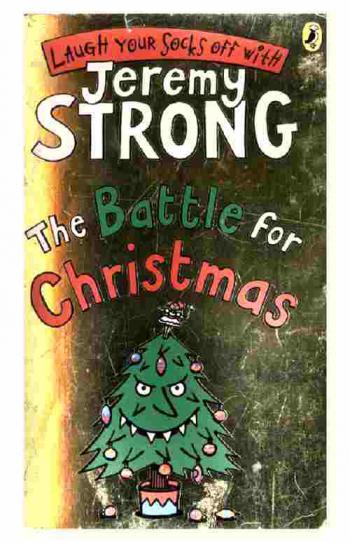
The battle for Christmas
When Ellie puts on her new pyjamas, strange things start to happen. She and her brother, Max, are whisked off to the Christmas Shop where a battle is raging between a valiant troop of toys and the scaaaarry Christmas Tree Fairy and her army of angels. Can Ellie and Max save Christmas for the world - or will they be arrested for being mince spies?
Book

End PJ Paralysis: An initiative to reduce patient's functional decline
End PJ Paralysis is a patient and clinician engagement model that originated from the National Health Service (NHS) in the United Kingdom and was adapted to the Australian context by Western Health (WH).
The model aims to reduce functional decline by encouraging patients to get up, dressed in everyday clothes, and moving. End PJ Paralysis is a nurse-led initiative, implemented in all five WH hospitals with a focus on acute and subacute ward beds (approximately 500 beds) and included both patient and nurse education campaigns.
The initiative was launched with a very successful whole of organisation 'wear pyjamas to work' day, including the CEO, executives and senior clinicians.
We found that the initiative reduced the number of falls, the number of hospitalacquired pressure injuries and patient's length of stay; and improved patient experiences: the patients reported that they felt 'better' and 'more like themselves' when they were dressed in their own clothes. Nurses and midwives also reported positive experiences.
End PJ Paralysis is an effective and acceptable way to reduce the impact of immobility associated with staying in bed, by supporting hospital inpatients to get up and get moving.
Journal Article


Understanding the Holocaust through Film: Audience Reception between Preconceptions and Media Effects
Empirically, little is known about the individual reception of films about the Holocaust, but this has rarely prevented intense speculation about the impact of films on Holocaust knowledge, memory and consciousness. This article presents key findings from a qualitative study with viewers of recent films. It argues that researching actual audiences rather than mere textual analysis is required to understand the complexities of the reception process and the relationship between history, film and memory. It demonstrates that while the impact of feature films about the Holocaust on viewers has been overstated and the role of preconceptions underestimated, the film “text” nonetheless matters for individual film reception.
Journal Article
