
Catalogue Search | MBRL


Are you sure you want to remove the book from the shelf?

{{itemTitle}}
1,367
result(s) for
"Pakistanis."
Sort by:

The blind man's garden
Jeo and Mikal are foster brothers from a small town in Pakistan. Though they were inseparable as children, their adult lives have diverged: Jeo is a dedicated medical student, married a year; Mikal has been a vagabond since he was fifteen, in love with a woman he can't have. But when Jeo decides to sneak across the border into Afghanistan--not to fight with the Taliban against the Americans, rather to help care for wounded civilians--Mikal determines to go with him, to protect him.
Book

Family upheaval
Pakistani migrant families in Denmark find themselves in a specific ethno-national, post-9/11 environment where Muslim immigrants are subjected to processes of non-recognition, exclusion and securitization. This ethnographic study explores how, why, and at what costs notions of relatedness, identity, and belonging are being renegotiated within local families and transnational kinship networks. Each entry point concerns the destructive-productive constitution of family life, where neglected responsibilities, obligations, and trust lead not only to broken relationships, but also, and inevitably, to the innovative creation of new ones. By connecting the micro-politics of the migrant family with the macro-politics of the nation state and global conjunctures in general, the book argues that securitization and suspicion-launched in the name of \"integration\"-escalate internal community dynamics and processes of family upheaval in unpredicted ways.
eBook


Integrating polygenic risk scores in the prediction of type 2 diabetes risk and subtypes in British Pakistanis and Bangladeshis: A population-based cohort study
Type 2 diabetes (T2D) is highly prevalent in British South Asians, yet they are underrepresented in research. Genes & Health (G&H) is a large, population study of British Pakistanis and Bangladeshis (BPB) comprising genomic and routine health data. We assessed the extent to which genetic risk for T2D is shared between BPB and European populations (EUR). We then investigated whether the integration of a polygenic risk score (PRS) for T2D with an existing risk tool (QDiabetes) could improve prediction of incident disease and the characterisation of disease subtypes. In this observational cohort study, we assessed whether common genetic loci associated with T2D in EUR individuals were replicated in 22,490 BPB individuals in G&H. We replicated fewer loci in G&H (n = 76/338, 22%) than would be expected given power if all EUR-ascertained loci were transferable (n = 101, 30%; p = 0.001). Of the 27 transferable loci that were powered to interrogate this, only 9 showed evidence of shared causal variants. We constructed a T2D PRS and combined it with a clinical risk instrument (QDiabetes) in a novel, integrated risk tool (IRT) to assess risk of incident diabetes. To assess model performance, we compared categorical net reclassification index (NRI) versus QDiabetes alone. In 13,648 patients free from T2D followed up for 10 years, NRI was 3.2% for IRT versus QDiabetes (95% confidence interval (CI): 2.0% to 4.4%). IRT performed best in reclassification of individuals aged less than 40 years deemed low risk by QDiabetes alone (NRI 5.6%, 95% CI 3.6% to 7.6%), who tended to be free from comorbidities and slim. After adjustment for QDiabetes score, PRS was independently associated with progression to T2D after gestational diabetes (hazard ratio (HR) per SD of PRS 1.23, 95% CI 1.05 to 1.42, p = 0.028). Using cluster analysis of clinical features at diabetes diagnosis, we replicated previously reported disease subgroups, including Mild Age-Related, Mild Obesity-related, and Insulin-Resistant Diabetes, and showed that PRS distribution differs between subgroups (p = 0.002). Integrating PRS in this cluster analysis revealed a Probable Severe Insulin Deficient Diabetes (pSIDD) subgroup, despite the absence of clinical measures of insulin secretion or resistance. We also observed differences in rates of progression to micro- and macrovascular complications between subgroups after adjustment for confounders. Study limitations include the absence of an external replication cohort and the potential biases arising from missing or incorrect routine health data. Our analysis of the transferability of T2D loci between EUR and BPB indicates the need for larger, multiancestry studies to better characterise the genetic contribution to disease and its varied aetiology. We show that a T2D PRS optimised for this high-risk BPB population has potential clinical application in BPB, improving the identification of T2D risk (especially in the young) on top of an established clinical risk algorithm and aiding identification of subgroups at diagnosis, which may help future efforts to stratify care and treatment of the disease.
Journal Article

This life or the next
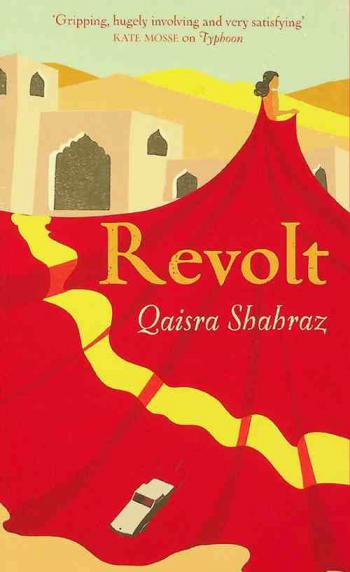
\"Tariq Khan is a Pakistani born and raised in Norway. An outsider in his own country-- adrift between two worlds divided by class, race, and culture-- he's always been searching for home. Alongside a flock of other streetwise young men, each looking for direction and each easily susceptible, Tariq finds his cause in the Muslim revival. Idealistic, driven by faith, and empowered with purpose, he's drawn to radical Islam-his last resort for achieving a sense of belonging, for embracing and being embraced. It's only when he enlists in the war against Syrian dictator Bashar al-Assad that Tariq's eyes are truly opened. Dispirited with the violence, faced with the consequences of his choices, and increasingly distanced by the brutalities of jihad, Tariq contends with spiritual struggles that are his alone. So are the stories he will tell to make sense of his life\"-- Provided by publisher.
BOOK

A mix-method investigation on acculturative stress among Pakistani students in China
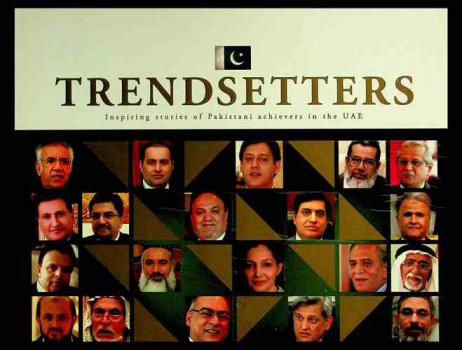
This article investigates acculturation stress among Pakistani students who are studying in Chinese universities, located in five provinces where international students are concentrated, with a mix-method approach. 203 students among 260 questionnaire recipients responded the online survey. When using the ASSIS (Acculturation Stress Scale for International Students) as instrument, the Principal Component Analysis Method and SPSS 20.0, we found that Pakistani students are under acculturative stress, 68.53%, 10.97% and 9.15% of them perceived discrimination, home sickness and perceived hate, and 5.25%, 3.11% and 2.58% of them fear, culture shock and guilt respectively. The qualitative segment of the study is consisted of 20 Pakistani students studying in 4 universities located in Wuhan city of Hubei capital enquiring through semi-structured interviews. The findings illustrate that Pakistani students in China are expressing their major concerns on culture shock, homesickness, food and language barriers while disconfirm ASSIS findings like perceived discrimination, hate, fear and guilt as factors responsible for acculturative stress. The study suggested that pre-departure orientation lectures about host country’s cultural values and campus environment, and on-campus extra-curricular, cultural activities and maximum social interaction with local students can effectively acculturate students in new cultural setting, and can lower their acculturative stress.
Journal Article
Pattern of medication selling and self-medication practices: A study from Punjab, Pakistan
Access to medicines without prescription is a major contributing factor for self-medication practices. This study was designed to examine the ratio of non-prescribed medicines sales and self-medication practices in Punjab, Pakistan. This study also evaluates the reasons for self-medication within its communities. An observational study was conducted in 272 systemically selected pharmacies to analyze medicines-related sales, with or without prescription. A cross-sectional survey was performed between June 2015 and November 2016. Consumers were interviewed about their self-medication practices. Of the pharmacies surveyed, 65.3% participated in the study. A total of 4348 medicines were purchased for self-medication by 3037 consumers (15.2% of all study participants), of which 873 (28.7%) participated in an interview. Majority (81.2%) medicine purchaser, (90.9%) interview participants, and (59.4%) drug users were male. On average, each community pharmacy sold 7.9 medicines without prescription each day, to an average of 5.5 customers. Many participants (28.9%) had matriculation in their formal education. The medicines most often sold for self-medication were analgesics and antipyretics(39.4%). More than 25% of participants reported fever symptoms and 47.8% assumed their illness was too trivial to consult a doctor. Media advertisements were the most common source of information for participants (46.7%). Many types of medicines were often sold without prescription from community pharmacies. Self-medication was common practice for a wide range of illnesses. Pakistan also needs effective implementation of policies to monitor medication sales. Public education about rational medication and limits to advertising medicine are very necessary.
Journal Article