
Catalogue Search | MBRL


Are you sure you want to remove the book from the shelf?

{{itemTitle}}
22,030
result(s) for
"Pandemics Social aspects."
Sort by:

COVID and gender in the Middle East
As the coronavirus ravages the globe, its aftermaths have brought gender inequalities to the forefront of many conversations. Countries in the Middle East and North Africa have been slow to prepare for, adapt to, and mitigate the COVID-19 health crisis and its impacts on governance, economics, security, and rights. Women’s physical well-being, social safety nets, and economic participation have been disproportionately affected, and with widespread shutdowns and capricious social welfare programs, women are exiting the workplace and the classroom, carrying the caregiving burden.With feminist foregrounding, Rita Stephan's collection COVID and Gender in the Middle East gathers an impressive group of local scholars, activists, and policy experts. The book examines a range of national and localized responses to gender-specific issues around COVID’s health impact and the economic fallout and resulting social vulnerabilities, including the magnified marginalization of Syrian refugees; the inequitable treatment of migrant workers in Bahrain; and the inadequate implementation of gender-based violence legislation in Morocco. An essential global resource, this book is the first to provide empirical evidence of COVID’s gendered effects.
eBook

Cultural Industries and the Covid-19 Pandemic
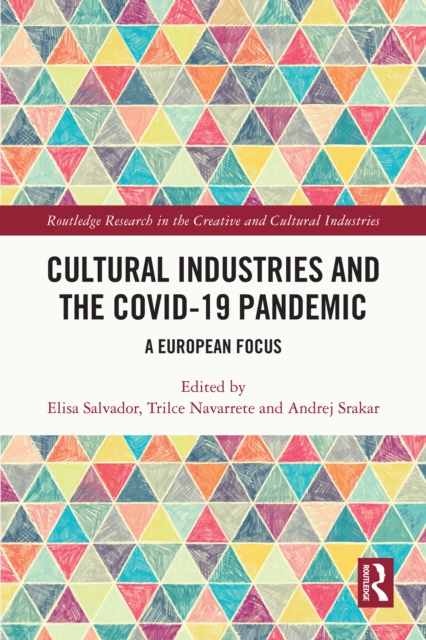
Already dealing with disruptive market forces, the Cultural and Creative Industries (CCIs) faced fundamental challenges resulting from the global health crisis, wrought by the COVID-19 pandemic. With catastrophic changes to cultural consumption, cultural organizations are dealing with short-, medium-, and long-term threats to livelihoods under lockdown.
This book aims at filling the literature gap about the consequences of one of the hardest crises - COVID-19 - severely impacting all the fields of the CCIs. With a focus on European countries and taking into account the evolving and unstable context caused by the pandemic still in progress, this book investigates the first reactions and actual strategies of CCIs' actors, government bodies, and cultural institutions facing the COVID-19 crisis and the potential consequences of these emergency strategies for the future of the CCIs. Solutions adopted during the repeated lockdowns by CCIs' actors could originate new forms of cultural consumption and/or new innovative market strategies. This book brings together a constellation of contributors to analyze the cultural sector as it seeks to emerge from this existential challenge.
The global perspectives presented in this book provide research-based evidence to understand and reflect on an unprecedented period, allowing reflective practitioners to learn and develop from a range of real-world cases. The book will also be of interest to researchers, academics, and students with a particular interest in the management of cultural and creative organizations and crisis management.
eBook

Global pandemic threats : a reference handbook
\"Global Pandemic Threats: A Reference Handbook provides all-encompassing coverage that introduces key concepts and traces the history of pandemics, enabling readers to grasp the complexity of the global problem and the difficulties of executing effective solutions. Written in an easy-to-understand manner, it provides a \"go-to\" resource that systematically addresses dozens of diseases of the past as well as re-emergent or newly emerging pathogens that have the potential of becoming pandemics. The book's extensive coverage of past pandemics includes bubonic plague, cholera, influenza, measles, smallpox, tuberculosis, typhoid fever, and yellow fever, and the re-emergence of malaria, measles, pertussis (whooping cough), poliomyelitis, and other contagious diseases. It discusses a broad range of newly emerging viral threats, such as AIDS/HIV, avian flu, anthrax, botulism, Ebola, E. coli, Gulf War syndrome, hanta virus, Lassa virus, Lyme disease, Marburg virus, MERS, MRSA, Ricin, Sin Nombre virus (SNV), and West Nile virus. The work offers perspectives from individuals interested and involved in the fight, including medical professionals and health care workers; profiles of key organizations and persons; a helpful timeline of past and present pandemic outbreaks; and a glossary of key terms and concepts.\" -- Publisher's description
Book

That futebol feeling : sport and play in Brazil's heartland
Futebol, or soccer for Americans, is the planet's spectator sport of choice. In the Brazilian state of Minas Gerais, nestled in the country's southeastern heartland, futebol generates powerful, lifelong emotions. That Futebol Feeling captures the region's enthrallment with \"the beautiful game,\" and shows us how and why play is central to the human condition. David Faflik profiles members of the most celebrated local team, Clube Atlético Mineiro (CAM), as well as its passionate, never-say-die fans, to show how futebol and fandom shape their everyday lives and perspectives. He discovers bonds of work and play, as well as pride, identity, and community. Additionally, Faflik's analysis of Brazil's futebol culture reflects sports fandom worldwide. CAM stands as a symbol for a way of life in Minas Gerais, the birthplace of Pelé. Faflik interrogates what playing the game means to those who dedicate their lives to the sport. He writes, \"The feelings that football inspires are the best of me.\" That Futebol Feeling shares that special feeling with the rest of us.
eBook

The Impacts of COVID-19 on Political Dynamics, Social Inequality, and the Wellbeing of Americans
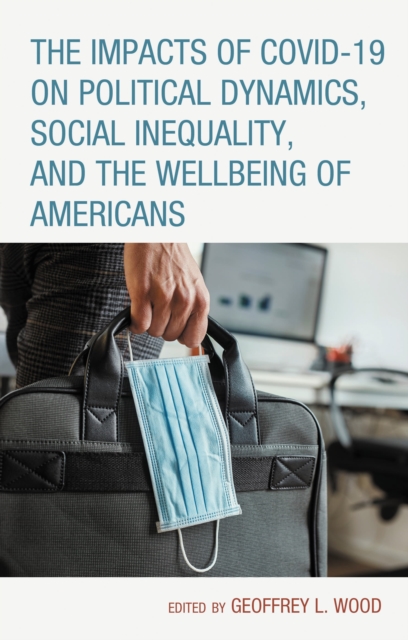
The Impacts of COVID-19 on Political Dynamics, Social Inequality, and the Wellbeing of Americans examines the impacts of COVID-19 on political inequality, social inequality, and life changes of Americans.
eBook
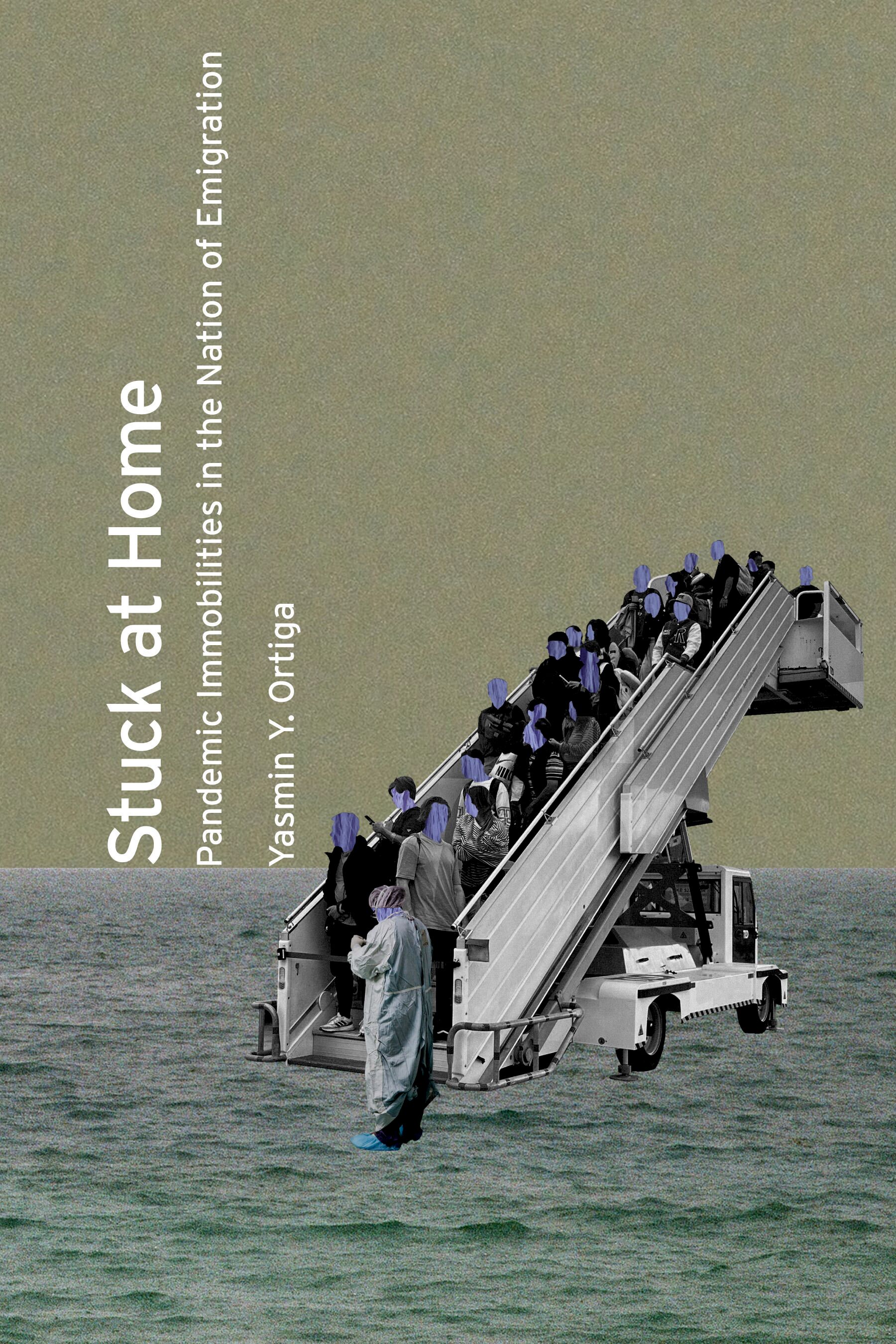
Stuck at home : pandemic immobilities in the nation of emigration
The Philippines is among the most successful migrant-sending nations in the world, both lauded and critiqued for exporting its own citizens to a global labor market. Yasmin Y. Ortiga brings readers beyond this popular image to explore questions often overlooked: What happens when workers who were encouraged to emigrate are suddenly unable to leave? Stuck at Home examines how the Philippine state and its aspiring migrants negotiated the meaning of immobility amid the COVID-19 pandemic. In this pioneering book, Ortiga studies the narratives that emerged around two groups of Filipino workers: nurses banned from leaving the country and cruise workers who returned home after COVID-19 shut down the travel industry. Ortiga emphasizes the high stakes in telling the \"right\" story of immobility to a nation built around emigration—one that provides a compelling rationale for who deserves to move and who can be forced to stay. A gripping account of political interests, frustrated dreams, and an unprecedented crisis, Stuck at Home reveals how migration governance is not only about regulating people's movement, but also defining the meaning and implications of remaining in place.
eBook