
Catalogue Search | MBRL


Are you sure you want to remove the book from the shelf?

{{itemTitle}}
1,390
result(s) for
"Pascal, Blaise, 1623-1662"
Sort by:


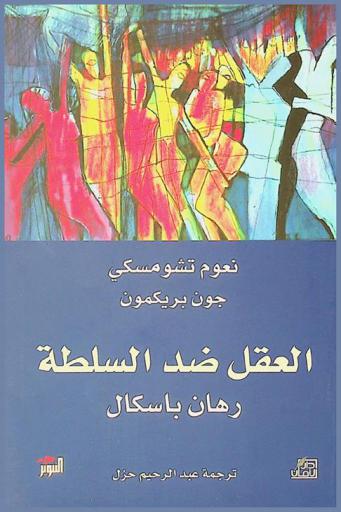
العقل ضد السلطة : رهان باسكال
يمثل عنوان هذا الكتاب تلخيصا وافيا بأعمال تشومسكي وإجمالا لمسار حياته فالمثقف الذي من طينته لا يملك إلا العقل وسيلة لخوض المعارك والخلاف بين تشومسكي ومثقفين معاصرين عديدين يتمثل في أن هؤلاء كثيرا ما نبذوا سلاح العقل بل إن منهم من يعد هذا السلاح في جوهره سلاحا قمعيا وغير أن تشومسكي لا يحمل إيمانا ساذجا بقوة العقل بل يرى أن العقل هو كل ما نملك ولا يصدر تشومسكي كذلك عن إيمان ساذج بالتقدم لكن الديمقراطية والحريات الفردية واللائكية وتحرر المستعمرات وحقوق الأقليات وحقوق النساء وحقوق الأجيال المقبلة الحركة من أجل حماية البيئة.
Book

Taking Pascal's Wager
* WORLD Magazine's Best Books of 2016 Short List
* Christianity Today's 2017 Book of the Year Award of Merit - Apologetics/Evangelism
Since we can't know with absolute certainty that God exists, each of us in a sense makes a bet. If we believe in God and are right, the benefits include eternal life. If we are wrong, the downside is limited. On the other hand, we might not believe in God. If we are right, then we will have lived in line with reality. If we are wrong, however, the consequences could be eternally disastrous. This was the challenge posed by the French philosopher Blaise Pascal over three hundred years ago. But Michael Rota contends that Pascal's argument is still compelling today. Since there is much to gain (for ourselves as well as for others) and relatively little to lose, the wise decision is to seek a relationship with God and live a Christian life. Rota considers Pascal's wager and the roles of uncertainty, evidence and faith in making a commitment to God. By engaging with themes such as decision theory, the fine-tuning of the universe, divine hiddenness, the problem of evil, the historicity of the resurrection and the nature of miracles, he probes the many dynamics at work in embracing the Christian faith. In addition, Rota takes a turn not found in many books of philosophy. He looks at the actual effects of such a commitment in three recent, vivid, gripping examples—Dietrich Bonhoeffer, Jean Vanier and Immaculée Ilibagiza. Like Pascal, Rota leaves us with a question: What wager will we make?
eBook
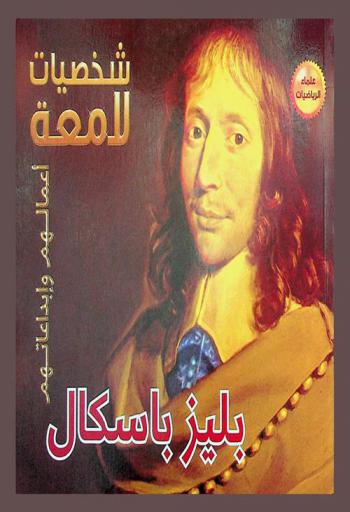

A Biography Worthy of the Genius of Blaise Pascal 1
In writing it, I wanted to tell Pascal's story but to do so in a way that explained his ideas and significance for the modern world at the same time. [...]the book proceeds chronologically but with each chapter drilling down into a particular aspect of Pascal's life, work, or thought. Groothuis is a philosopher and I am a historical theologian, which may explain some of the differences of emphasis we bring to our reading of Pascal, but I have learnt much both from his own recent book, Beyond the Wager: The Christian Brilliance of Blaise Pascal,1 and from this review. Arguments from design were common in seventeenth century apologetics but unlike many of his contemporaries, Pascal did not make much use of them, I think for several reasons.
Journal Article
الإله الخفي
يتناول كتاب \"الإله الخفي\" والذي قام بتأليفه \"لوسيان غولدمان\" في حوالي (621) صفحة من القطع المتوسط موضوع (الأدب الفرنسي)، عن مجموعة من النظريات الفكرية التي وضعها فلاسفة العصر الحديث، من روسو، وهولدرلان، وباسكال، وديكارت، وسواهم، في محاولة منه لصياغة منظومة فكرية متراصة الأبعاد، ومضبوطة المعايير، انطلاقا من رؤى سابقة ودراسات فلسفية كان لها أثرها على الفكر الإنساني ككل. يلفت الباحث في مؤلفه إلى أن الغرض الأساسي من أي فكر فلسفي هو الإنسان، ووعيه، وسلوكه، فكل فلسفة هي أنثربولوجيا إلى حد ما، فلا يمكننا بطبيعة الحال أن نعرض في عمل ما مكرس لدراسة مجموعة من الأعمال الجزئية كلية موقفنا الفلسفي، ومع ذلك من المسموح أن نقول بضع كلمات عن تصورنا للوعي بوجه العموم، وعن الإبداع الأدبي والفلسفي بوجه خاص. ويرى غولدمان أنه لا ينبغي على مؤرخ الفلسفة والأدب أن يدرس رؤى العالم فحسب، بل أن يدرس أيضا تعبيراتها الملموسة، أي يتوجب عليه، في حدود إمكاناته بالطبع، ألا يتقيد في دراسته للعمل بما تفسره الرؤية هذه أو تلك، كما عليه التساؤل عن الأسباب الاجتماعية أو الفردية التي جعلت من هذه الرؤية تظهر في البحث. ويناقش الباحث ضمن إطار فلسفي بحت، تراجيديات كلاسيكية، وأعمالا خالدة، في مجال الفكر والمسرح والذات الإلهية، في فصل بعنوان \"الرؤية التراجيدية.. الله متنقلا في الفضاء الأرسطي\"، والفكر الفرنسي الحديث، وأفكار باسكال وسبينوزا، ليفتح الباحث المجال أمام طرح تساؤلات عميقة ونقدية، تضع الإنسان أحيانا في حيز التناقض.
BOOK
A Biography Worthy of the Genius of Blaise Pascal 2
[...]given Pascal's several in-principle objections to natural theology, I doubt that even the great strides made in that discipline in recent decades would have altered his central critique that reason as rational inference and calculation cannot bring one to the one true God, since this is more a matter of the heart- rational intuition as touched by saving grace. [...]I relish the idea of his genius being let loose on the new data from biology and physics indicating a Creator and Designer.) Nevertheless, Pascal was no fideist, as Tomlin admits, so reason can remove some barriers to belief. [...]Pascal notwithstanding, natural theology may draw people closer to the living God than Pascal admitted (especially in its more rationally compelling forms).
Journal Article
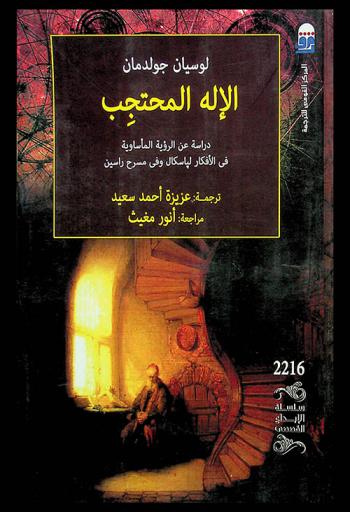
الإله المحتجب : دراسة عن الرؤية المأساوية في \الأفكار\ لباسكال وفي مسرح راسين
تقوم الفكرة الأساسية في هذا الكتاب على أن الوقائع الإنسانية دائما ما تكون بنى دالة شاملة لها طابع عملى ونظرى وإنفعالي في أن واحد ولا يمكن دراسة هذه البنى بطريقة وضعية بمعنى تفسيرها وفهمها إلا من خلال منظور عملي يستند إلى قبول مجموعة من القيم كما يهدف إلى المساهمة في توضيح هذه القضية بدراسة عدة مؤلفات تشكل بالنسبة لتاريخ الفكر والأدب مجموعة متميزة ومحدودة من الوقائع العينية.
BOOK

Neither Angel nor Beast
Blaise Pascal began as a mathematical prodigy, developed into a physicist and inventor, and had become by the end of his life in 1662 a profound religious thinker. As a philosopher, he was most convinced by the long tradition of scepticism, and so refused – like Kierkegaard – to build a philosophical or theological system. Instead, he argued that the human heart required other forms of discourse to come to terms with the basic existential questions – our nature, purpose and relationship with God.
This introduction to the life and philosophical thought of Pascal is intended for the general reader. Strikingly illustrated, it traces the antithetical tensions in Pascal’s life from his infancy, when he was said to have been placed under the spell of a sorceress, to his final years of extreme asceticism. Pascal stressed both the misery and greatness of humanity, our finitude and our comprehension of the infinite. The book shows how his life, philosophical thought and literary style can best be understood in the light of the paradoxical view of human nature. It covers the methods of argument and the central issues of the Provincial Letters and of the Pensées ; the Introduction places Pascal’s thought in the religious and political climate of seventeenth-century France, and a ‘Chronology of the Life of Pascal’ is also included.
Preface Introduction Part 1: Scenes from the Life of Pascal 1. A Sister’s Biography 2. A Witch’s Spell 3. Pious Appraisals 4. The ‘Mémorial 5. Probing Nature and the Heart 6. Coming to Terms with God 7. The Nascent Polemicist 8. Letters to Family, Friends and Savants 9. God’s Champion Part 2: Views on the Works of Pascal I The Provincial Letters 10. The Politics of Orthodoxy 11. An Innocent Astonished 12. The Wiles of the Casuists 13. An Innocent on the Defensive II The Pensées 14. The Supreme Apologist 15. How to Sway the Doubtful 16. Man Without God 17. Man With God 18. The Wager 19. The Heart 20. The Mystery of Jesus 21. Life in the Church. Conclusion
eBook