
Catalogue Search | MBRL


Are you sure you want to remove the book from the shelf?

{{itemTitle}}
8,263
result(s) for
"Phonograph."
Sort by:


Sonic geographies
Research into the geographies of sound and music has developed over the last 20 years, yet such work largely remains reliant on conventional verbal-textual methods of data collection and dissemination. In this paper, we conduct a review of current approaches to sonic research, demonstrating that the erasure of audio media within geography silences a rich seam of empirical data. As a result, we propose that phonographic methods – including listening, audio recording and playback – need to be developed further. We consider a range of epistemological implications of phonographic methods, and possible future directions for their development in human geography.
Journal Article

Preaching on wax : the phonograph and the shaping of modern African American religion
\"From 1925 to 1941, approximately one hundred African American clergymen teamed up with leading record labels such as Columbia, Paramount, Victor-RCA to record and sell their sermons on wax. While white clerics of the era, such as Aimee Semple McPherson and Charles Fuller, became religious entrepreneurs and celebrities through their pioneering use of radio, black clergy were largely marginalized from radio. Instead, they relied on other means to get their message out, teaming up with corporate titans of the phonograph industry to package and distribute their old-time gospel messages across the country. Their nationally marketed folk sermons received an enthusiastic welcome by consumers, at times even outselling top billing jazz and blues artists such as Bessie Smith and Ma Rainey. These phonograph preachers significantly shaped the development of black religion during the interwar period, playing a crucial role in establishing the contemporary religious practices of commodification, broadcasting, and celebrity. Yet, the fame and reach of these nationwide media ministries came at a price, as phonograph preachers became subject to the principles of corporate America. In Preaching on Wax, Lerone A. Martin offers the first full-length account of the oft-overlooked religious history of the phonograph industry. He explains why a critical mass of African American ministers teamed up with the major phonograph labels of the day, how and why black consumers eagerly purchased their religious records, and how this phonograph religion significantly contributed to the shaping of modern African American Christianity\"-- Provided by publisher.
Book
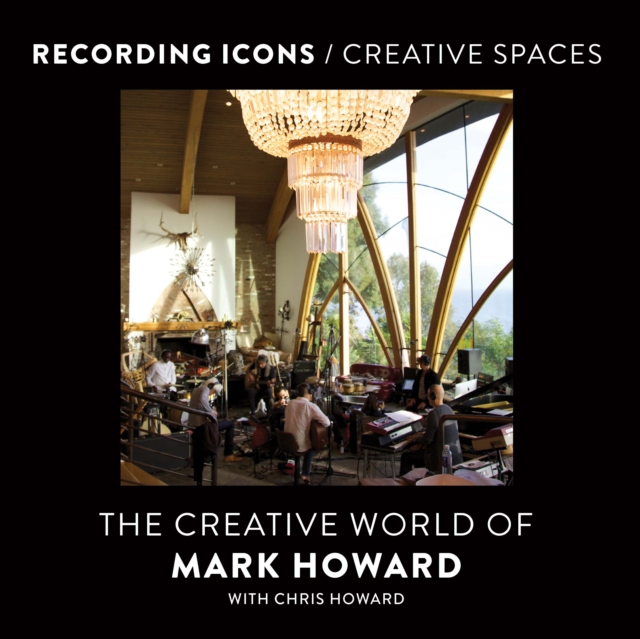
Recording Icons / Creative Spaces
Visual portraits of the iconic spaces where your favorite records were recorded. Mark Howard has worked with Neil Young, R.E.M., Willie Nelson, U2, the Neville Brothers, Tom Waits, Lucinda Williams, Emmylou Harris, Marianne Faithfull, and the Tragically Hip. Producer Mark Howard has always made unique records. For Howard, it's not just about the recording process - making great music is also about creating unique, comfortable environments designed to bring out the best in the artist. To this end, he's spent a career seeking out architecturally remarkable spaces in which to make albums. In Recording Icons / Creative Spaces, you're invited behind the curtain to watch these music industry legends create. Using a non-invasive photographic approach, employing a Nikon time-lapse camera to capture these in-studio moments, Howard captures the hits as they happened, in a treasure trove of non-posed, natural images. You're invited to travel the world with him and watch as he creates the beautif
eBook


Wax Trash and Vinyl Treasures: Record Collecting as a Social Practice
The term 'record collecting' is shorthand for a variety of related practices. Foremost is the collection of sound recordings in various formats - although often with a marked preference for vinyl - by individuals, and it is this dimension of record collecting that is the focus of this book. Record collecting, and the public stereotypes associated with it, is frequently linked primarily with rock and pop music. Roy Shuker focuses on these broad styles, but also includes other genres and their collectors, notably jazz, blues, exotica and 'ethnic' music. Accordingly, the study examines the history of record collecting; profiles collectors and the collecting process; considers categories - especially music genres - and types of record collecting and outlines and discusses the infrastructure within which collecting operates. Shuker situates this discussion within the broader literature on collecting, along with issues of cultural consumption, social identity and 'the construction of self' in contemporary society. Record collecting is both fascinating in its own right, and provides insights into broader issues of nostalgia, consumption and material culture.
eBook

Editorial
According to the Ghanaian Copyright Act from 2005 all contributors to a recording have to sign a split sheet in order to get a fair share in the royalties accrued. [...]95 percent were unaware of the split sheet, while 92.7% did not know its benefit. [...]the authors “(…) recommend that more intensive education be undertaken to sensitise Ghanaian music producers and practitioners to the benefit of the split sheet in their daily work to enhance revenue generation.” When the German philosopher Walter Benjamin published his essay ‘The Work of Art in the Age of Mechanical Reproduction’ in 1936, he referred to then modern means of reproduction such as photography, film and sound recordings, which destroy the aura of an art work.
Journal Article

“¿Cuánto por una máquina parlante?”: estrategias cotidianas para acceder al mágico mundo de los sonidos grabados (México, 1903-1910)
Objective/Context: This article aims to demonstrate how, despite the high prices of talking machines for the pockets of the Mexican working classes, these sectors used various practices and mechanisms to enter the world of recorded sounds. This story develops in a specific context of the social uses of talking machines in Mexico, marked by the interest of several American companies in the country’s sound market, such as Victor Talking Machine Company, National Phonograph and Columbia Record, whose directors sent technicians to record hundreds of records and cylinders with pieces performed by cultured and popular artists. Methodology: The tools of cultural history and a wide range of periodical sources, and, to a lesser extent, governmental petitions, are used to capture segments of the workings of the everyday economy and the consumption strategies of talking machines. Originality: This is a topic scarcely addressed by phonographic studies in Mexico, which have concentrated on analyzing musical recordings rather than understanding the consumption of these products. By considering income, consumers’ spending capacity and the commercial strategies of businesses, this text reveals different applications of talking machines at the educational, domestic and occupational levels to explain how they were transformed into desired commodities. Conclusions: After highlighting the cost of living at the time and the wages of workers, artisans and peasants, the research concludes that practices such as raffles, theft, the offer of itinerant phonographers, listening in commercial establishments and installment purchases, among others, allowed the less privileged to have access to the apparently unattainable devices imported between 1903 and 1910. Objetivo/Contexto: El objetivo de este artículo es demostrar cómo, a pesar de los elevados precios de las máquinas parlantes para los bolsillos de las clases trabajadoras mexicanas estos sectores utilizaron diversas prácticas y mecanismos para entrar al mundo de los sonidos grabados. Esta historia se desarrolla en un contexto concreto de los usos sociales de las máquinas parlantes en México, marcado por el interés de diversas compañías estadounidenses, como Victor Talking Machine Company, National Phonograph y Columbia Record, en el mercado sonoro del país, cuyos directivos enviaron técnicos para grabar cientos de discos y cilindros con piezas interpretadas por artistas cultos y populares. Metodología: Se apela a las herramientas de la historia cultural y a un amplio caudal de fuentes periódicas, y, en menor medida, de peticiones gubernamentales, para capturar segmentos del funcionamiento de la economía cotidiana y las estrategias de consumo de máquinas parlantes. Originalidad: Se trata de un tema escasamente abordado por los estudios fonográficos en México, que se han concentrado en el análisis de las grabaciones musicales, en lugar de entender el consumo de estos productos. Al tener en cuenta el ingreso, la capacidad de gasto de los consumidores y las estrategias de los negocios en el comercio, este texto revela diferentes aplicaciones de las máquinas parlantes en el plano educativo, hogareño y laboral para explicar cómo se trasformaron en codiciados bienes de consumo. Conclusiones: Tras poner en evidencia el costo de vida de la época y los salarios de obreros, artesanos y campesinos, la pesquisa concluye que prácticas como la rifa, el robo, la oferta de fonografistas ambulantes, la escucha en establecimientos comerciales y la compra a plazos, entre otras, permitieron a los menos pudientes acceder a los aparentemente inalcanzables aparatos importados entre 1903 y 1910. Objetivo/Contexto: o objetivo deste artigo é demonstrar como, apesar dos altos preços das caixas de som para o bolso das classes trabalhadoras mexicanas, esses setores utilizaram diversas práticas e mecanismos para entrar no mundo dos sons gravados. Essa história é desenvolvida num contexto concreto dos usos sociais das caixas de som no México, marcado pelo interesse de diversas empresas estadunidenses, como Victor Talking Machine Company, National Phonograph e Columbia Record, no mercado sonoro do país, cujos diretores enviaram técnicos para gravar centenas de discos e cilindros com obras interpretadas por artistas cultos e populares. Metodologia: recorre-se às ferramentas da história cultural e a um amplo número de fontes jornalísticas, em menor medida, de petições governamentais para capturar segmentos do funcionamento da economia cotidiana e das estratégias de consumo de caixas de som. Originalidade: trata-se de um tema escassamente abordado pelos estudos fonográficos no México, que se concentram na análise das gravações musicais, e não em entender o consumo desses produtos. Ao considerar o ingresso, a capacidade de gasto dos consumidores e as estratégias dos negócios no comércio, este texto revela diferentes aplicações das caixas de som no plano educacional, doméstico e profissional para explicar como se transformaram em cobiçados bens de consumo. Conclusões: após evidenciar o custo de vida da época e o salário de operários, artesãos e camponeses, esta pesquisa conclui que práticas como a rifa, o roubo, a oferta de fonógrafos ambulantes, a escuta em negócios comerciais e a compra a prazo, entre outras, permitiram aos menos favorecidos ter acesso aos aparentemente inatingíveis aparelhos importantes entre 1903 e 1910.
Journal Article

Tecnología, cultura sonora y nacionalismo. Las primeras exhibiciones del fonógrafo en la Ciudad de México (1878)
En este artículo se intenta reconstruir una historia social y cultural de las primeras exhibiciones del fonógrafo tinfoil en México. Para lograr esta empresa se decidió cumplir varios objetivos. Además de identificar los lugares, las fechas, públicos y precios de las primeras presentaciones de la máquina parlante, se pudo profundizar en las biografías de los importadores y presentadores del novedoso artefacto. Sumado a ello, se exploran las polémicas en torno a la biografía de Edison y la relevancia del himno nacional como pieza modélica para comprobar el funcionamiento del fonógrafo. En el trasfondo de estas cuestiones se pretende captar el enfrentamiento cotidiano entre los relatos que exacerbaban la superioridad tecnológica de Estados Unidos, por una parte, y las interpretaciones patrióticas sobre el funcionamiento de la máquina parlante, por otra. Me interesa demostrar, por tanto, cómo la historia de los usos y representaciones del fonógrafo tinfoil en México, estrechamente en diálogo con la sociedad estadounidense, puede dar acceso a un complejo campo de tensiones. Para captar una microhistoria de sonidos y silencios, parto de un documento extraordinario: las memorias del periodista mexicano Guillermo Prieto, quien presenció la demostración de la máquina parlante efectuada la noche del 15 de octubre de 1878, en la Sala de la Sociedad Nezahualcóyotl. Mi propuesta metodológica consistió en establecer un diálogo crítico entre sus apreciaciones con un amplio abanico de fuentes, entre las que destacan los relatos de otros testigos, fotografías, programas, cartas y registros administrativos.
Journal Article