
Catalogue Search | MBRL


Are you sure you want to remove the book from the shelf?

{{itemTitle}}
410
result(s) for
"Physical fitness for middle-aged persons."
Sort by:

Fitness after 40 : your strong body at 40, 50, 60, and beyond
\"Includes a 6-week total-body workout program.\"
Book
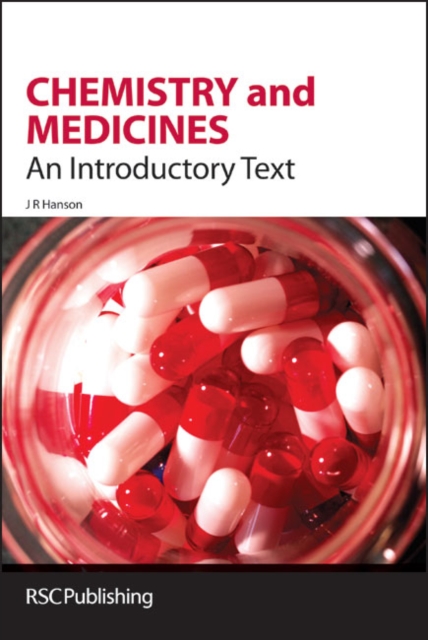
Chemistry and medicines
Medicinal chemistry incorporates bio-organic chemistry, organic synthetic methods, physical organic chemistry and organic reaction mechanisms. These areas of chemistry are crucial to the design and synthesis of new drugs, both in academia and the pharmaceutical industry. This book provides a general introduction to this fascinating subject. The first chapters contain a brief historical introduction followed by a description of the chemical features involved in the adsorption, distribution, metabolism and excretion of a drug. The remaining chapters describe the chemistry underlying the design and synthesis of some of the key drugs used to combat some major diseases of the peripheral and central nervous system, infectious diseases and cancers. A glossary and suggestions for further reading complete this textbook. The book is aimed at those studying advanced undergraduate and postgraduate courses in medicinal chemistry.
eBook


New age
Discusses aging and the effects on the body of mid-life. Offers advice on nutrition and exercise for longetivity. Source: National Library of New Zealand Te Puna Matauranga o Aotearoa, licensed by the Department of Internal Affairs for re-use under the Creative Commons Attribution 3.0 New Zealand Licence.
Newspaper Article


Accelerometer-measured physical activity, frailty, and all-cause mortality and life expectancy among middle-aged and older adults: a UK Biobank longitudinal study
Background
Physical activity (PA) is associated with reduced frailty and lower mortality rates among middle-aged and older adults. However, the extent to which total PA volume and specific PA intensities are associated with mortality risk across frailty status remains unclear. We aimed to investigate the interactive effects of accelerometer-measured PA with frailty on all-cause mortality and life expectancy.
Methods
A total of 78,508 participants were sourced from the UK Biobank for analysis. Frailty index (FI) was used to assess frailty status. Physical activity and sedentary behavior were quantified through accelerometer measurements, capturing the total volume of physical activity (TVPA), moderate-to-vigorous-intensity physical activity (MVPA), light-intensity physical activity (LPA), and sedentary time (ST). Cox proportional hazard models were applied to calculate adjusted hazard ratios (HRs) and predict life expectancy.
Results
During a median follow-up of 6.9 years, 2618 deaths (2.9%) were identified. Compared with robust and physically active counterparts, individuals characterized by frailty, combined with the lowest levels of TVPA (HR 3.05, 95% CI: 2.50–3.71), MVPA (HR 2.65, 95% CI: 2.19–3.21), LPA (HR 2.26; 95% CI: 1.81–2.83), or the highest level of ST (HR 2.08, 95% CI: 1.66–2.61), were found to have the greatest risk of all-cause mortality after comprehensive adjustment. The dose–response relationship, assessed using restricted cubic splines, consistently demonstrated that regardless of frailty categories, higher levels of TVPA, MVPA, and LPA were associated with lower mortality risks, while higher ST level was associated with increased risk. Notably, across the frailty spectrum, individuals in the low tertile of TVPA, MVPA, and LPA, or the top tertile of ST, were associated with reduced life expectancy, with this pattern being more pronounced among frail men compared to frail women.
Conclusions
Our findings highlighted the importance of increasing total PA volume, emphasizing MVPA and LPA, and reducing ST across the frailty spectrum to improve life expectancy.
Journal Article


Walking cadence (steps/min) and intensity in 41 to 60-year-old adults: the CADENCE-adults study
Background
In younger adults (i.e., those < 40 years of age) a walking cadence of 100 steps/min is a consistently supported threshold indicative of absolutely-defined moderate intensity ambulation (i.e., ≥ 3 metabolic equivalents; METs). Less is known about the cadence-intensity relationship in adults of middle-age.
Purpose
To establish heuristic (i.e., evidence-based, practical, rounded) cadence thresholds for absolutely-defined moderate (3 METs) and vigorous (6 METs) intensity in adults 41 to 60 years of age.
Methods
In this cross-sectional study, 80 healthy adults of middle-age (10 men and 10 women representing each 5-year age-group between 41 to 60 years; body mass index = 26.0 ± 4.0 kg/m
2
) walked on a treadmill for 5-min bouts beginning at 0.5 mph and increasing in 0.5 mph increments. Performance termination criteria included: 1) transitioning to running, 2) reaching 75% of age-predicted maximum heart rate, or 3) reporting a Borg rating of perceived exertion > 13. Cadence was directly observed (i.e., hand tallied). Intensity (i.e., oxygen uptake [VO
2
] mL/kg/min) was assessed with an indirect calorimeter and converted to METs (1 MET = 3.5 mL/kg/min). A combination of segmented regression and Receiver Operating Characteristic (ROC) modeling approaches was used to identify optimal cadence thresholds. Final heuristic thresholds were determined based on an evaluation of classification accuracy (sensitivity, specificity, positive and negative predictive value, overall accuracy).
Results
The regression model identified 101.7 (95% Predictive Interval [PI]: 54.9–110.6) and 132.1 (95% PI: 122.0–142.2) steps/min as optimal cadence thresholds for 3 METs and 6 METs, respectively. Corresponding values based on ROC models were 98.5 (95% Confidence Intervals [CI]: 97.1–104.9) and 117.3 (95% CI: 113.1–126.1) steps/min. Considering both modeling approaches, the selected heuristic thresholds for moderate and vigorous intensity were 100 and 130 steps/min, respectively.
Conclusions
Consistent with our previous report in 21 to 40-year-old adults, cadence thresholds of 100 and 130 steps/min emerged as heuristic values associated with 3 and 6 METs, respectively, in 41 to 60-year-old adults. These values were selected based on their utility for public health messaging and on the trade-offs in classification accuracy parameters from both statistical methods. Findings will need to be confirmed in older adults and in free-living settings.
Journal Article

Association Between Daily Internet Use and Intrinsic Capacity Among Middle-Aged and Older Adults in China: Large Prospective Cohort Study
Intrinsic capacity (IC), as a comprehensive measure of an individual's functional ability, has gained prominence in the framework for healthy aging introduced by the World Health Organization (WHO). As internet usage continues to integrate into daily life, it is imperative to scrutinize the association between internet use and IC to effectively promote healthy aging among the middle-aged and older population.
This study aimed to investigate whether daily internet use in middle-aged and older adults delays or accelerates the decline in IC.
Participants included in the China Health and Retirement Longitudinal Study (CHARLS) comprised individuals aged ≥45 years residing in China. We analyzed 4 years of CHARLS data from the first wave (May 2011-March 2012) to the third wave (July 2015-January 2016). Data from the first and third waves were used for longitudinal studies. Self-reported data encompassed internet use, frequency of use, and demographic baseline characteristics. In addition, the IC evaluation involved physical examination and blood test data. Initially, linear regression was used to assess the relationship between daily internet use and IC, followed by regression splines to explore potential nonlinear associations. Subgroup and sensitivity analyses were used to investigate the heterogeneity of IC in specific conditions and the robustness of our results. Mediation effect analysis was conducted to identify the factors that mediate the relationship between daily internet use and IC, focusing on social participation, physical activity, and health status.
Among the 12,826 participants included in the longitudinal analyses, 12,305 (95.9%) did not use the internet, while 521 (4.1%) reported daily internet use with a mean age of 52.62 (SD 7.67) years. After adjusting for demographic variables, socioeconomic factors, lifestyle behaviors, and health conditions and examining the impact of daily internet use and frequency on changes in IC, our findings indicated important associations. Specifically, daily internet use is significantly linked to a slower decline in IC over time (marginal effect 1.58, 95% CI 1.03-2.12; P<.001). Individuals with moderate and regular internet use frequency exhibit higher levels of maintenance in IC (marginal effect 0.74, 95% CI 0.45-1.03, P<.001). In addition, the relationship between IC changes and internet use frequency demonstrated a nonlinear inverted U-shaped curve (nonlinear P=.003). Subgroup analysis further revealed that improvements in IC vary based on age and gender. Furthermore, mediation analysis denoted that more than 28.78% (95% CI 21.24-40.33) of the observed association is mediated by social participation (P<.001).
The findings of our research underscore the potential benefits of consistent and moderate internet use in promoting and preserving IC, particularly in cognitive capacity, sensory, vitality, and locomotion. The observed effects may be related to social participation. These insights offer valuable guidance for crafting strategies aimed at fostering healthy aging within the middle-aged and older adult demographics.
Journal Article

Sedentary behavior associated with reduced medial temporal lobe thickness in middle-aged and older adults
Atrophy of the medial temporal lobe (MTL) occurs with aging, resulting in impaired episodic memory. Aerobic fitness is positively correlated with total hippocampal volume, a heavily studied memory-critical region within the MTL. However, research on associations between sedentary behavior and MTL subregion integrity is limited. Here we explore associations between thickness of the MTL and its subregions (namely CA1, CA23DG, fusiform gyrus, subiculum, parahippocampal, perirhinal and entorhinal cortex,), physical activity, and sedentary behavior. We assessed 35 non-demented middle-aged and older adults (25 women, 10 men; 45-75 years) using the International Physical Activity Questionnaire for older adults, which quantifies physical activity levels in MET-equivalent units and asks about the average number of hours spent sitting per day. All participants had high resolution MRI scans performed on a Siemens Allegra 3T MRI scanner, which allows for detailed investigation of the MTL. Controlling for age, total MTL thickness correlated inversely with hours of sitting/day (r = -0.37, p = 0.03). In MTL subregion analysis, parahippocampal (r = -0.45, p = 0.007), entorhinal (r = -0.33, p = 0.05) cortical and subiculum (r = -0.36, p = .04) thicknesses correlated inversely with hours of sitting/day. No significant correlations were observed between physical activity levels and MTL thickness. Though preliminary, our results suggest that more sedentary non-demented individuals have less MTL thickness. Future studies should include longitudinal analyses and explore mechanisms, as well as the efficacy of decreasing sedentary behaviors to reverse this association.
Journal Article