
Catalogue Search | MBRL


Are you sure you want to remove the book from the shelf?

{{itemTitle}}
36,256
result(s) for
"Physiological disorders"
Sort by:

Sleepyhead : the neuroscience of a good night's rest
\"Whether it's a bout of bad jet lag or a stress-induced all-nighter, we've all suffered from nights that left us feeling less than well-rested. But for some people, getting a bad night's sleep isn't just an inconvenience: it's a nightmare. In Sleepyhead, science writer Henry Nicholls uses his own experience with chronic narcolepsy as a gateway to better understanding the cryptic, curious, and relatively uncharted world of sleep disorders. We meet insomniacs who can't get any sleep, narcoleptics who can't control when they sleep, and sleep apnea victims who nearly suffocate in their sleep. We learn the underlying difference between morning larks and night owls; why our sleeping habits shift as we grow older; and the evolutionary significance of REM sleep and dreaming. Charming, eye-opening, and deeply humanizing, Sleepyhead will help us all uncover the secrets of a good night's sleep.\" -- Publisher's description.
Book

Reducing Uneven Fruit Ripening and Improving the Quality of Durian (Durio zibethinus Murr.) Fruit Using Plastic Mulching Combined with Polyhalite Fertilizer
Uneven fruit ripening (UFR) is currently causing a decrease in the quality and value of “Ri 6” durian fruit. The soil moisture and nutrient (K, Ca, and Mg) levels present during the fruit development stage are the two main factors affecting UFR in durian fruit. However, measurements that can be used to determine the decrease in the UFR rate of durian remain unknown. Therefore, this study sought to evaluate the impact of plastic mulching (PM) and polyhalite fertilizer (PH) on improving the UFR rate and quality of durian fruit. A field study was conducted at three different durian orchards in the Vietnamese Mekong Delta (VMD) throughout two seasons (2022–2023 and 2023–2024). We used PM a month before fruit harvesting, combined with PH applied during the fruit development stage. Four treatments were used: (T1) control; (T2) PM, plastic mulching a month before durian fruit harvesting; (T3) PH, polyhalite fertilizer application (3 kg tree−1 year−1); and (T4) PM + PH, polyhalite fertilizer application (3 kg tree−1 year−1) and plastic mulching a month before durian fruit harvesting. The farmer’s fertilization practice (450 g N–450 g P–450 g K per tree−1 during the fruit development period) was used in all treatments. Parameters such as soil physicochemical properties, fruit quality, and leaf mineral nutrient concentration were investigated at the harvesting stage. The results show that using PM + PH decreased soil moisture (>15%) but increased the concentrations of K, Mg, and Ca in both soil and durian leaves, thereby reducing the UFR rate (>80%) compared with the control. Additionally, applying PM + PH increased the aril proportion (>18%) and total soluble solids (approximately 5%) in durian fruit in comparison with the control. In conclusion, combining PM and PH improved the UFR rate and durian fruit quality. Therefore, we recommend that farmers apply these methods to their durian orchards to decrease physiological disorders and enhance fruit quality, thus contributing to achieving sustainable durian production in the VMD.
Journal Article

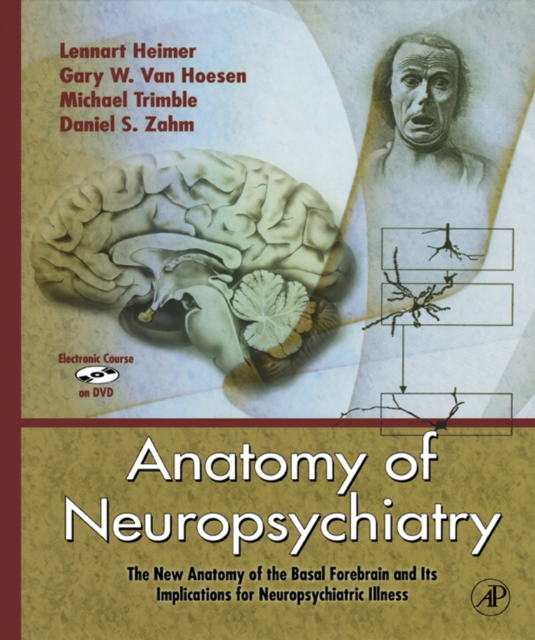
Anatomy of Neuropsychiatry
This book presents the anatomical systems that take part in the scientific and clinical study of emotional functions and neuropsychiatric disorders. It discusses the limbic system-the cortical and subcortical structures in the human brain involved in emotion, motivation, and emotional association with memory-at length and how this is no longer a useful guide to the study of psychiatric disorders. The book provides an understanding of brain anatomy, with an emphasis on the new anatomical framework which has emerged during the last quarter century. The goal is to help the reader develop an understanding of the gross anatomical organization of the human forebrain. All disc-based content for this title is now available on the Web. * A re-evaluation of brain anatomy, with an emphasis on the new anatomical framework which has emerged during the last quarter century* A compellingly expanded conceptualization of Broca's famous limbic lobe* Clinical and basic science boxes highlighting specific concepts, structures, or neuronal circuits from a clinical perspective
eBook

Memory in autism : theory and evidence
Many people with autism spectrum disorders (ASD) are remarkably proficient at remembering how things look and sound and are good at rote learning. However, all ASD sufferers have poor ability to recall personal memories and relive experiences. This book assembles research to examine why this happens and the effects it has.
BOOK
Mood disorders
\"This Handbook gives an outstanding overview of the accomplishments to date and a sense of the excitement to come.\" Kay Redfield Jamison, Foreword Mood Disorders: A Handbook of Science and Practice provides an up-to-date summary of the latest theory and practice in unipolar and bipolar mood disorders. This comprehensive volume focuses on innovations in both science and clinical practice, and considers new pharmacological treatments as well as psychological therapies. With contributions from the worldâ??s leading authorities on mood disorders, all clinical psychologists and psychiatrists in practice and training will find this book an authoritative reference tool.
eBook

Why we sleep : unlocking the power of sleep and dreams
\"Sleep is one of the most important but least understood aspects of our life, wellness, and longevity ... An explosion of scientific discoveries in the last twenty years has shed new light on this fundamental aspect of our lives. Now ... neuroscientist and sleep expert Matthew Walker gives us a new understanding of the vital importance of sleep and dreaming\"--Amazon.com.
Book

Primary Metabolism in Fresh Fruits During Storage
The extension of commercial life and the reduction of postharvest losses of perishable fruits is mainly based on storage at low temperatures alone or in combination with modified atmospheres (MAs) and controlled atmospheres (CAs), directed primarily at reducing their overall metabolism thus delaying ripening and senescence. Fruits react to postharvest conditions with desirable changes if appropriate protocols are applied, but otherwise can develop negative and unacceptable traits due to the onset of physiological disorders. Extended cold storage periods and/or inappropriate temperatures can result in development of chilling injuries (CIs). The etiology, incidence, and severity of such symptoms vary even within cultivars of the same species, indicating the genotype significance. Carbohydrates and amino acids have protective/regulating roles in CI development. MA/CA storage protocols involve storage under hypoxic conditions and high carbon dioxide concentrations that can maximize quality over extended storage periods but are also affected by the cultivar, exposure time, and storage temperatures. Pyruvate metabolism is highly reactive to changes in oxygen concentration and is greatly affected by the shift from aerobic to anaerobic metabolism. Ethylene-induced changes in fruits can also have deleterious effects under cold storage and MA/CA conditions, affecting susceptibility to chilling and carbon dioxide injuries. The availability of the inhibitor of ethylene perception 1-methylcyclopropene (1-MCP) has not only resulted in development of a new technology but has also been used to increase understanding of the role of ethylene in ripening of both non-climacteric and climacteric fruits. Temperature, MA/CA, and 1-MCP alter fruit physiology and biochemistry, resulting in compositional changes in carbon- and nitrogen-related metabolisms and compounds. Successful application of these storage technologies to fruits must consider their effects on the metabolism of carbohydrates, organic acids, amino acids and lipids.
Journal Article


Nutrients Mediate Intestinal Bacteria–Mucosal Immune Crosstalk
The intestine is the shared site of nutrient digestion, microbiota colonization and immune cell location and this geographic proximity contributes to a large extent to their interaction. The onset and development of a great many diseases, such as inflammatory bowel disease and metabolic syndrome, will be caused due to the imbalance of body immune. As competent assistants, the intestinal bacteria are also critical in disease prevention and control. Moreover, the gut commensal bacteria are essential for development and normal operation of immune system and the pathogens are also closely bound up with physiological disorders and diseases mediated by immune imbalance. Understanding how our diet and nutrient affect bacterial composition and dynamic function, and the innate and adaptive status of our immune system, represents not only a research need but also an opportunity or challenge to improve health. Herein, this review focuses on the recent discoveries about intestinal bacteria-immune crosstalk and nutritional regulation on their interplay, with an aim to provide novel insights that can aid in understanding their interactions.
Journal Article