
Catalogue Search | MBRL


Are you sure you want to remove the book from the shelf?

{{itemTitle}}
9,782
result(s) for
"Pistorius, Oscar"
Sort by:
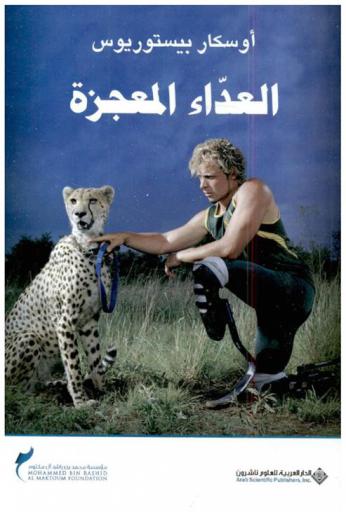
العداء المعجزة
جميل أن يكون الإنسان متصالحا مع نفسه رغم الإعاقة، فكم واحدا منا لا يشكو من شيء ومع ذلك تراه غير راض، فما الدافع وما الكابح لهذه المفارقة؟ بالتأكيد \"النجاح\" في أمر أنت تحبه وترضاه لنفسك. هذا هو حال بطل كتابنا \"العداء المعجزة\" الذي خطه بيده، إنه \"أوسكار بيستوريوس\"، يقول: \"لقد ولدت مع نقص في عظمتين هامتين في كل من ساقي: إنها القصبة الصغرى، أي العظمة الخارجية من الساق\". هكذا يسرد أوسكار بيستوريوس رحلته في هذه الحياة بحلوها ومرها حيث تم بتر ساقيه كلتيهما من أسفل الركبة منذ طفولته وتركيب طرفين اصطناعيين. أحاطه والداه بالرعاية والحنان والتشجيع منذ الطفولة، فبرزت لديه هواية الرياضة فشارك في عدة أنواع من الرياضة في البداية مثل التنس، كرة القدم، والمصارعة حيث سمح له باستخدام جزءه العلوي فقط، فربح أول ميدالية في المصارعة والتي يصفها بأنها لحظة لا تنسى، ولكن أجمل ما حدث لهذا الشاب الصغير، أنه وقع في حب أميرة اسمها فارين مارتن يقول : \"حتى أنني منحتها وردتي الأولى في ذكرى العشاق في سني عمري الثماني الغضة، ولم يخمد هذا الحب حتى أصبحت في الثالثة عشرة من عمري\". وبأسلوب سردي مشوق يبعث على الأمل، ينتقل بطلنا من سرد مرحلة الطفولة إلى مرحلة الشباب وعشقه لرياضة الركبي، حيث تم اختياره للمشاركة في الألعاب البارالمبية في أثينا في العام 2004 يقول : \"لقد أرعبتني فكرة التنافس مع بعض أساطير الرياضة اليوم، مثل الأميركيين برايان فراشر ومارلو شيرلي ؛ وهما رياضيان بساق مبتورة واحدة، وبالتالي من الممكن أن يكونا أكثر قوة مني. لقد كانت الرياضات البدنية جديدة علي، فلم أكن قد تعلمت بعد استخدام لوحات الانطلاق بشكل صحيح، ولم أشعر بأنني جاهز للتنافس على مستوى دولي\". ولكن بالإرادة والعزم يمكن أن ينجز الإنسان المستحيل وهكذا دائما العداء المعجزة، يقول : \"من دون أن أعلم، غير فوزي وحصولي على الميدالية الذهبية في الألعاب البارالمبية في أثينا عام 2004 حياتي إلى الأبد، فقد أصبحت بين عشية وضحاها شخصا مشهورا في عالم الرياضة، إن اهتمام أجهزة الإعلام ووجهة النظر التي تبنتها رفعاني إلى مستوى بطل خارق للمعوقين في أقطاب العالم\". سيرة ممتعة، توقد الأمل بداخلنا، وتخترق نفوسنا، لتقول لنا إن النجاح في الحياة أمر ليس بمستحيل، وإن على الإنسان أن يتخطى الصعاب والإعاقة إن وجدت، فالخاسر ليس الذي يصل متأخرا وإنما من بقي متفرجا\".
Book

The courtroom as TV studio: the case of the Oscar Pistorius trial
In 2014, something happened that changed how the media report on court proceedings in South Africa. The Oscar Pistorius trial proceedings attracted much media attention. International journalists flocked into South Africa in droves. Our newspapers, our televisions, our radios, even our Facebook feeds were flooded with information. An entire twenty-four-hour television channel was created with the sole purpose of televising, and then discussing, the proceedings. Everything about the trial – the judge's rulings, the witnesses who gave evidence and especially the verdict – clogged social-media newsfeeds on laptops and other devices for months on end. This has changed irreversibly the manner in which the media and the justice system in South Africa converge. Through a focus on the debates in and out of the courtroom that the Pistorius trial generated, this paper explores the intersection between the judicial function, the media and the public. It was an important moment in post-apartheid South Africa, ushering in a new way of making and distributing judicial images to the public and thereby bringing into being new ways for the media and the public to access and assess the adjudicative role of judges.
Journal Article

“A More Equitable Society”: The Politics of Global Fairness in Paralympic Sport
The Paralympic Movement explicitly sets out to create a more equitable society and promote participation for all and fairness in disability sport. This is primarily achieved through the use of a range of interventions with less attention given to how economic factors may hinder access and achievement in Paralympic sport. We investigated how country-level economic variables influence the level of participation and achievement in the 2015 International Paralympic Committee (IPC) Athletics Championships held in Doha. We used multiple regression analysis to show how levels of participation and achievement in the Championships were significantly determined by economic factors independent of population size. Our data show that in spite of the ideals of inclusion and fairness within the Paralympic Movement and the considerable effort expended on the use of technologies to achieve this, economic factors continue to exert a statistically significant influence on both the level of participation and achievement of Paralympic athletes. LMICs participate at lower levels and achieve fewer medals when compared to HICs. These differences are particularly marked in events that have a high cost of participation. Our findings raise questions regarding the use of current technologies and the level to which they are able to truly disrupt the politics of global inequality in sport.
Journal Article

excerpts from \Pistorius Rex\
Excerpts from Pistorius Rex, a libretto-in-progress that overlays the tabloid story of Oscar Pistorius' murder trial with the apparatus of Greek drama, are presented.
Journal Article

Sliding to Reverse Ableism: An Ethnographic Exploration of (Dis)ability in Sitting Volleyball
This paper illuminates the potential of diversely embodied sporting cultures to challenge ableism, the ideology of ability. Ableism constructs the able body as conditional to a life worth living, thus devaluing all those perceived as ‘dis’-abled. This hegemonic ideology develops into a ‘logic of practice’ through a cultural appropriation of body’s lived complexity, by reducing it to symbolic dichotomies (able/disabled). The path to challenge ableism is then to restore body’s complexity, by turning attention toward its lived embodied existence. Drawing upon an ethnographic study of a sitting volleyball (SV) community, we condense multiple data sources into a sensuous creative non-fiction vignette to translate the physical embodied culture of the sport. In exploring SV physicality through the ethnographic vignette, it is our intention to activate the readers’ own embodiment when interpreting and co-creating this text. By placing the reader in the lived reality of playing SV, we hope that the potential of this physical culture to destabilize engrained ableist premises becomes apparent. Ultimately, our goal is to promote a shift from ableism towards an appreciation and celebration of differently able bodies. This cultural shift is crucial for long lasting social empowerment for people with disabilities.
Journal Article

Cuerpo, deporte y biotecnologías: un ensayo inspirado en Peter Sloterdijk
Problematizamos los saberes y los usos de las biotecnologías contemporáneas en la conformación de atletas de alto rendimiento, especialmente en lo que se refiere a la construcción de nuevas subjetividades deportivas, valiéndonos, sobretodo, de los análisis y reflexiones de Peter Sloterdijk. Tomando las condiciones biotecnológicas actuales como puntos de partida de las transformaciones de los seres humanos, y en especial, haciendo un corte en el campo deportivo, presentamos cómo en la actualidad nuevas subjetividades deportivas están siendo forjadas por medio de la optimización de las capacidades físicas, en la dirección de aperturas del futuro por el presente. Problematizamos os saberes e os usos das biotecnologias contemporâneas na conformação de atletas de alto rendimento, especialmente no que tange à construção de novas subjetividades esportivas, valendo-nos, sobretudo, de análises e reflexões de Peter Sloterdijk. Tomando as condições biotecnológicas atuais como pontos de partida das transformações dos seres humanos, e, em especial, fazendo este recorte no campo esportivo, apresentamos como, na atualidade, novas subjetividades esportivas estão sendo forjadas, por meio da otimização das capacidades físicas, na direção de aberturas do futuro pelo presente. Based mostly on Peter Sloterdijk analyses, we problematize the knowledge and uses of contemporary biotechnologies in the training of high performance athletes, with a special focus on the ways in which new athlete subjectivities are constructed. By taking the current biotechnological conditions as a starting point for the transformations of human beings in the sports field, we show how new sports subjectivities are being shaped today by optimizing physical skills in the direction of openings of the future by the present.
Journal Article