
Catalogue Search | MBRL


Are you sure you want to remove the book from the shelf?

{{itemTitle}}
18,089
result(s) for
"Plants Color."
Sort by:

Plants that mimic
When you look at a plant, how can you tell if its really the plant you think it is, or if its just playing pretend? Some plants practice mimicry, which is a defense mechanism that keeps them from being disturbed, or worse, eaten by enemies. Readers learn about plants that have evolved to practice mimicry and how its essential to their survival. Through colorful photographs of various plant species, as well as language that is designed to be fun yet informative, this title will turn any beginning science student into a budding botanist.
Book
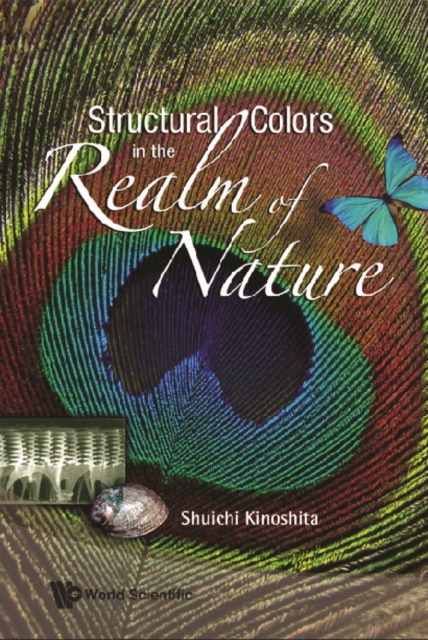
Structural colors in the realm of nature
Structural colorations originate from self-organized microstructures, which interact with light in a complex way to produce brilliant colors seen everywhere in nature. Research in this field is extremely new and has been rapidly growing in the last 10 years, because the elaborate structures created in nature can now be fabricated through various types of nanotechnologies. Indeed, a fundamental book covering this field from biological, physical, and engineering viewpoints has long been expected.
eBook

The gardener's book of color
\"This guide takes color way beyond the existing guides for gardeners. It adds new dimensions to the art of gardening, and shows the gardener how to put plants together to make personal and effective combinations. It explores not only single-color plantings, but also the wide range of color associations available to the gardener for \"painting\" pictures with plants.\"-- Provided by publisher.
Book

Genome-wide association study of plant color in Sorghum bicolor
Sorghum plant color is the leaf sheath/leaf color and is associated with seed color, tannin and phenol content, head blight disease incidence, and phytoalexin production.
In this study, we evaluated plant color of the sorghum mini core collection by scoring leaf sheath/leaf color at maturity as tan, red, or purple across three testing environments and performed genome-wide association mapping (GWAS) with 6,094,317 SNPs markers.
Eight loci, one each on chromosomes 1, 2, 4, and 6 and two on chromosomes 5 and 9, were mapped. All loci contained one to three candidate genes. In
, Sobic.005G165632 and Sobic.005G165700 were located in the same linkage disequilibrium (LD) block. In
, Sobic.006G149650 and Sobic.006G149700 were located in the different LD block. The single peak in
covered one gene, Sobic.006G149700, which was a senescence regulator. We found a loose correlation between the degree of linkage and tissue/organ expression of the underlying genes possibly related to the plant color phenotype. Allele analysis indicated that none of the linked SNPs can differentiate between red and purple accessions whereas all linked SNPs can differentiate tan from red/purple accessions. The candidate genes and SNP markers may facilitate the elucidation of plant color development as well as molecular plant breeding.
Journal Article

The gardener's book of colour
GARDENING. First published in 1996, this Pimpernel Classic edition has been completely redesigned and includes a new foreword by Andrew Lawson. Using his artist's eye and scientist's training, distinguished garden photographer and writer Andrew Lawson shines a new light on using colour in the garden. This book shows myriad ways to put colours together, and demonstrates the extraordinary power of colour to change the sense of space, to suggest coolness or warmth and to evoke different moods. The basis of creating harmonizing and contrasting schemes is explained and illustrated with dramatic examples. All the major schemes are supported by keyline drawings giving full planting details. In addition, illustrated plant directories, arranged by colour and flowering season, provide cultivation details for over 850 plants, enabling you to assemble the right plants for your chosen scheme and to carry that scheme through the year.
Book

Flower color modification in Torenia fournieri by genetic engineering of betacyanin pigments
Background
Betalains are reddish and yellow pigments that accumulate in a few plant species of the order Caryophyllales. These pigments have antioxidant and medicinal properties and can be used as functional foods. They also enhance resistance to stress or disease in crops. Several plant species belonging to other orders have been genetically engineered to express betalain pigments. Betalains can also be used for flower color modification in ornamental plants, as they confer vivid colors, like red and yellow. To date, betalain engineering to modify the color of
Torenia fournieri—
or wishbone flower—a popular ornamental plant, has not been attempted.
Results
We report the production of purple-reddish-flowered torenia plants from the purple torenia cultivar “Crown Violet.” Three betalain-biosynthetic genes encoding CYP76AD1, dihydroxyphenylalanine (DOPA) 4,5-dioxygenase (DOD), and
cyclo
-DOPA 5-
O
-glucosyltransferase (5GT) were constitutively ectopically expressed under the cauliflower mosaic virus (CaMV) 35S promoter, and their expression was confirmed by quantitative real-time PCR (qRT-PCR) analysis. The color traits, measured by spectrophotometric colorimeter and spectral absorbance of fresh petal extracts, revealed a successful flower color modification from purple to reddish. Red pigmentation was also observed in whole plants. LC-DAD-MS and HPLC analyses confirmed that the additional accumulated pigments were betacyanins—mainly betanin (betanidin 5-
O
-glucoside) and, to a lesser extent, isobetanin (isobetanidin 5-
O
-glucoside). The five endogenous anthocyanins in torenia flower petals were also detected.
Conclusions
This study demonstrates the possibility of foreign betacyanin accumulation in addition to native pigments in torenia, a popular garden bedding plant. To our knowledge, this is the first report presenting engineered expression of betalain pigments in the family Linderniaceae. Genetic engineering of betalains would be valuable in increasing the flower color variation in future breeding programs for torenia.
Journal Article

How to be a color wizard : forage and experiment with natural art making
A guide for children to making colorful dyes with natural materials which includes project ideas.
CHILDBOOK

Overexpression of the Persimmon Abscisic Acid DkUGT3 Gene Alters Plant/Fruit Development in Transgenic Tomato
Persimmon (
Diospyros kaki
Thunb.) contains numerous uridine diphosphate glucosyltransferases (UGT), and their roles in fruit development and quality formation have not been well studied because of limited genetic information. This study investigated a persimmon DkUGT3 which is highly expressed in young fruits and leaves during development. DkUGT3 can catalyze ABA glycosylation to form ABA-GE, thereby reducing free ABA. Tomato with overexpressed (OE)
DkUGT3
significantly induces pale green color phenotypes in both transgenic young plants and fruits.
DkUGT3
-OE significantly weakens the tomato ABA signaling which affects the expressions of ABA-inducible transcriptional factors (TFs), such as GLK1 and GLK2 and their downstream target genes involved in chlorophyll synthesis, chloroplast development, sugar metabolism and transport, and photosynthesis, thereby impeding leaf and fruit development and quality. Conversely,
DkUGT3
-RNAi-treatment recovered the OE tomato fruits from yellowing phenotype to green color. This study found that chlorophyll accumulations and ABA level were increased by
DkUGT3
-RNAi-treatment in young persimmon leaves. These results demonstrate that
DkUGT3
plays crucial roles in ABA-mediated leaf and fruit development. This study provides new evidence for the regulation of ABA in early development.
Journal Article
Biochemical and transcriptomic analyses reveal different metabolite biosynthesis profiles among three color and developmental stages in ‘Anji Baicha’ (Camellia sinensis)
Background
The new shoots of the albino tea cultivar ‘Anji Baicha’ are yellow or white at low temperatures and turn green as the environmental temperatures increase during the early spring. ‘Anji Baicha’ metabolite profiles exhibit considerable variability over three color and developmental stages, especially regarding the carotenoid, chlorophyll, and theanine concentrations. Previous studies focused on physiological characteristics, gene expression differences, and variations in metabolite abundances in albino tea plant leaves at specific growth stages. However, the molecular mechanisms regulating metabolite biosynthesis in various color and developmental stages in albino tea leaves have not been fully characterized.
Results
We used RNA-sequencing to analyze ‘Anji Baicha’ leaves at the yellow-green, albescent, and re-greening stages. The leaf transcriptomes differed considerably among the three stages. Functional classifications based on Gene Ontology enrichment and Kyoto Encyclopedia of Genes and Genomes enrichment analyses revealed that differentially expressed unigenes were mainly related to metabolic pathways, biosynthesis of secondary metabolites, phenylpropanoid biosynthesis, and carbon fixation in photosynthetic organisms. Chemical analyses revealed higher β-carotene and theanine levels, but lower chlorophyll
a
levels, in the albescent stage than in the green stage. Furthermore, unigenes involved in carotenoid, chlorophyll, and theanine biosyntheses were identified, and the expression patterns of the differentially expressed unigenes in these biosynthesis pathways were characterized. Through co-expression analyses, we identified the key genes in these pathways. These genes may be responsible for the metabolite biosynthesis differences among the different leaf color and developmental stages of ‘Anji Baicha’ tea plants.
Conclusions
Our study presents the results of transcriptomic and biochemical analyses of ‘Anji Baicha’ tea plants at various stages. The distinct transcriptome profiles for each color and developmental stage enabled us to identify changes to biosynthesis pathways and revealed the contributions of such variations to the albino phenotype of tea plants. Furthermore, comparisons of the transcriptomes and related metabolites helped clarify the molecular regulatory mechanisms underlying the secondary metabolic pathways in different stages.
Journal Article

GWAS of grain color and tannin content in Chinese sorghum based on whole-genome sequencing
Key messageSeventy-three QTL related to grain color and tannin content were identified in Chinese sorghum accessions, and a new recessive allelic variant of TAN2 gene was discovered.Sorghum is mainly used for brewing distilled liquors in China. Since grain tannins play an important role in liquor brewing, accurately understanding the relationship between grain color and tannin content can provide basis for selection standards of tannin sorghum. We resequenced a panel of 242 Chinese sorghum accessions and performed population structure and genome-wide association study (GWAS) to identify quantitative trait locus (QTL) affecting pericarp color, testa pigment, and tannin content. Phylogenetic analysis, principal component analysis (PCA), and admixture model were used to infer population structure. Two distinct genetic sub-populations were identified according to their corresponding northern and southern geographic origin. To investigate the genetic basis of natural variation in sorghum grain color, GWAS with 2,760,264 SNPs was conducted in four environments using multiple models (Blink, FarmCPU, GLM, and MLM). Seventy-three QTL were identified to be associated for the color of exocarp, mesocarp, testa, and tannin content on all chromosomes except chromosome 5, of which 47 might be novel QTL. Some important QTL were found to colocalize with orthologous genes in the flavonoid biosynthetic pathway from other plants, including orthologous of Arabidopsis (Arabidopsis thaliana) TT2, TT7, TT12, TT16 and AT5G41220 (GST), as well as orthologous of rice (Oryza sativa) MYB61 and OsbHLH025. Our investigation of the variation in grain color and tannin content in Chinese sorghum germplasm may help guide future sorghum breeding for liquor brewing.
Journal Article