
Catalogue Search | MBRL


Are you sure you want to remove the book from the shelf?

{{itemTitle}}
2,556
result(s) for
"Poor Developing countries."
Sort by:


Access for all : building inclusive financial systems
Unlock the transformative power of microfinance for global poverty reduction.This insightful title explores how to build inclusive financial systems that empower the poor and drive economic growth in developing countries.Drawing on a decade of CGAP experience, it offers a comprehensive framework for expanding access to financial services for all.
eBook


Climate change, disaster risk, and the urban poor : cities building resilience for a changing world
Poor people living in slums are at particularly high risk from the impacts of climate change and natural hazards. They live on the most vulnerable land within cities, typically areas deemed undesirable by others and thus affordable. This study analyzes the key challenges facing the urban poor, given the risks associated with climate change and disasters, particularly with regard to the delivery of basic services, and identifies strategies and financing opportunities for addressing these risks. The main audience for this study includes mayors and other city managers, national governments, donors, and practitioners in the fields of climate change, disaster-risk management, and urban development. The work is part of a broader program under the Mayor's task force on climate change, disaster risk and the urban poor. The study is organized in four chapters covering: 1) a broad look at climate change and disaster risk in cities of the developing world, with particular implications for the urban poor; 2) analysis of the vulnerability of the urban poor; 3) discussion of recommended approaches for building resilience for the urban poor; and 4) review of the financing opportunities for covering investments in basic services and other needs associated with climate and disaster risk.
eBook

The locust effect : why the end of poverty requires the end of violence
While the world has made encouraging strides in the fight against global poverty, the hidden plague of everyday violence silently undermines our best efforts to help the poor. Common violence like rape, forced labor, illegal detention, land theft, and police abuse has become routine and relentless. And like a horde of locusts devouring everything in its path, the unchecked plague of violence ruins lives, blocks the road out of poverty, and undercuts development. Gary A. Haugen and Victor Boutros offer an account of how we got here and what it will take to end the plague.
Book
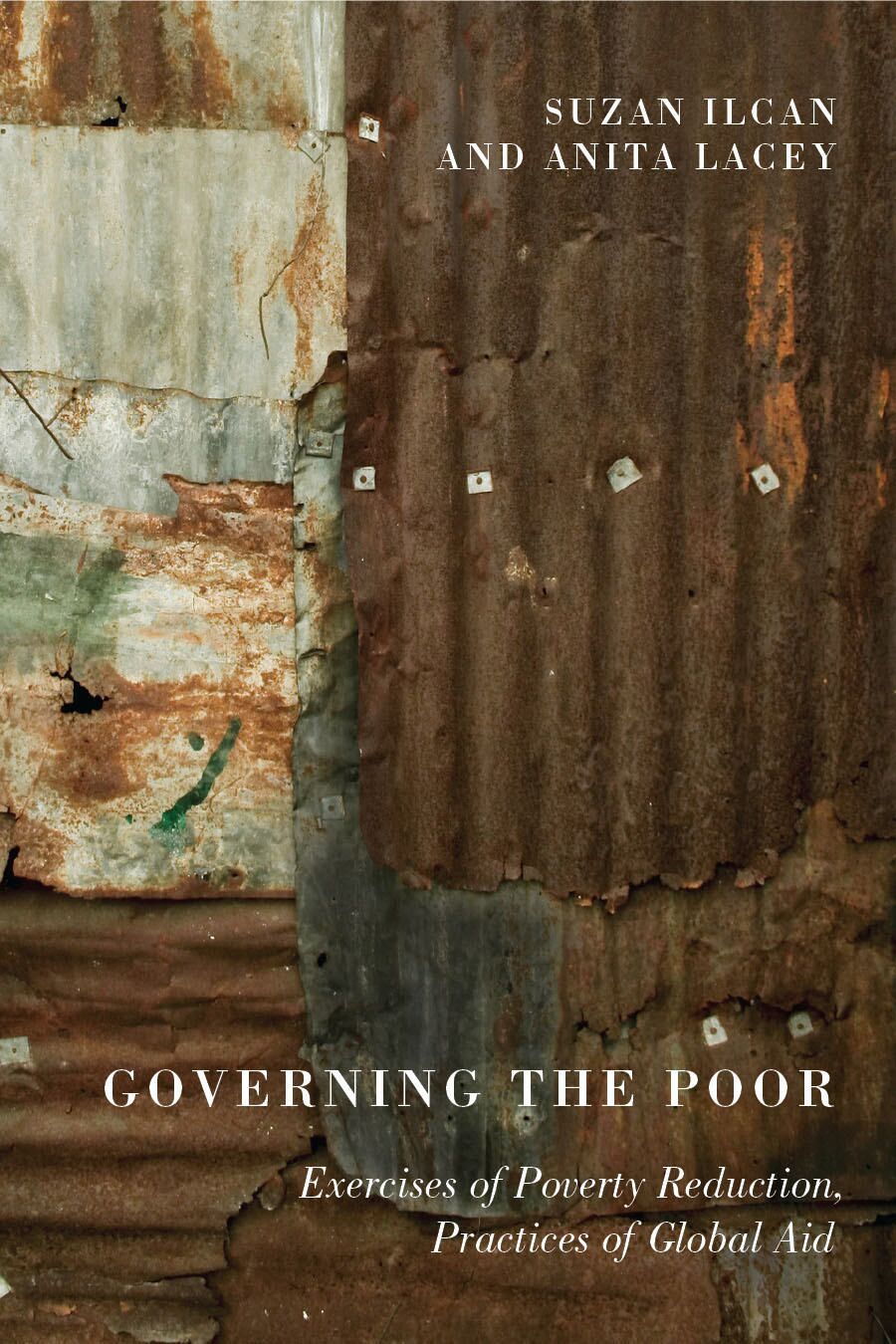
Governing the Poor
Every day, we are barraged by statistics, images, and emotional messages that present poverty as a problem to be quantified, managed, and solved. Global generations present the poor as a heterogeneous group and stress globalized solutions to the problem of poverty. Governing the Poor exposes the ways in which such generalized descriptions and quantifications marginalize the poor and their experiences.
eBook


Vulnerability to poverty : theory, measurement and determinants, with case studies from Thailand and Vietnam
With the current global crisis, high levels of volatility in trade, capital flows, commodity prices, aid, and the looming threat of climate change, this book brings together high-quality research and presents conceptual issues and empirical results to analyze the determinants of the vulnerability to poverty in developing countries.
eBook


Implementing energy subsidy reforms
Poorly implemented energy subsidies are economically costly to taxpayers and damage the environment. This report aims at providing the emerging lessons form a representative sample of case studies in 20 developing countries that could help policy makers to address implementation challenges, including overcoming political economy and affordability constraints. The sample has selected on the basis of a number of criteria, including the countrys level of development (and consumption), developing country region, energy security and the fuel it subsidies (petroleum fuel, electricity, natural gas). The case studies were supported by data collection related to direct budgetary subsidies, fuel and electricity tariffs, and household survey data.The analysis provides strong evidence of the success of reforms in reducing the associated fiscal burden. For the sample of countries, the average energy subsidy recorded in the budget was reduced from 1.8% in 2004 to 1.3%GDP in 2010. The reduction of subsidies is particularly remarkable for net energy importers. Pass-through of international fuel prices was also notable in the case of electricity generated by fossil fuel. For the sample of countries, the average end-user electricity tariff increased by 50%, from USD 6 cents in 2002 to USD 9 cents per kWh in 2010.In spite of the relatively price inelastic demand for gasoline and diesel, fossil fuel consumption in the road sector (per unit of GDP) declined in the 20 countries examined from 53 (44) in 2002 to about 23 kt oil equivalent per million of GDP in 2008 in the case of gasoline (Diesel). The most notable decline in consumption was recorded in the low and lower middle income countries. This reflects the much higher rate of growth in GDP in this group of countries and underlines the opportunities to influence future consumption behavior rather than modifying
the existing consumption patterns, overcoming inertia and vested interests. Similar trends are recorded for power consumption.While there is no one-size-fits-all model for subsidy reform, implementation of compensatory social policies and an effective communication strategy, before the changes are introduced, reduces helped with the implementation of reforms.
eBook