
Catalogue Search | MBRL


Are you sure you want to remove the book from the shelf?

{{itemTitle}}
191
result(s) for
"Population Dynamics Indonesia."
Sort by:

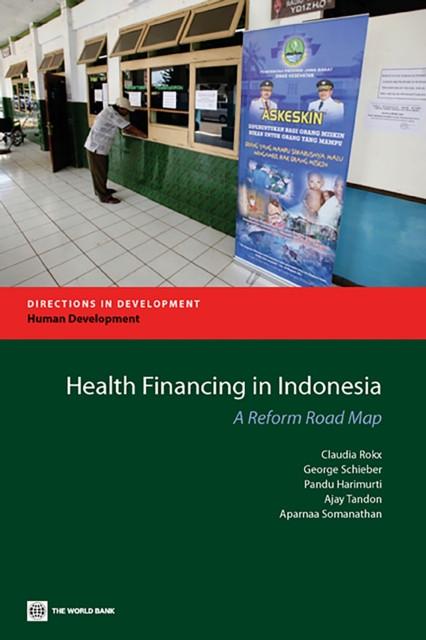
Health financing in Indonesia : a reform road map
In 2004 the Indonesian government made a commitment to provide its entire population with health insurance coverage through a mandatory public health insurance scheme. It has moved boldly already provides coverage to an estimated 76.4 million poor and near poor, funded through the public budget. Nevertheless, over half the population still lacks health insurance coverage, and the full fiscal impacts of the government's program for the poor have not been fully assessed or felt. In addition, significant deficiencies in the efficiency and equity of the current health system, unless addressed will exacerbate cost pressures and could preclude the effective implementation of universal coverage (UC) and the desired result of improvements in population health outcomes and financial protection. For Indonesia to achieve UC, systems' performance must be improved and key policy choices with respect to the configuration of the health financing system must be made. Indonesia's health system performs well with respect to some health outcomes and financial protection, but there is potential for significant improvement. High-level political decisions are necessary on key elements of the health financing reform package. The key transitional questions to get there include: • the benefits that can be afforded and their impacts on health outcomes and financial protection; • how the more than 50 percent of those currently without coverage will be insured; • how to pay medical care providers to assure access, efficiency, and quality; • developing a streamlined and efficient administrative structure; • how to address the current supply constraints to assure availability of promised services; • how to raise revenues to finance the system, including the program for the poor as well as currently uninsured groups that may require government subsidization such as the more than 60 million informal sector workers, the 85 percent of workers in firms of less than five employees, and the 70 percent of the population living in rural areas.
eBook

The Effects of Mortality on Fertility: Population Dynamics After a Natural Disaster
Understanding how mortality and fertility are linked is essential to the study of population dynamics. We investigate the fertility response to an unanticipated mortality shock that resulted from the 2004 Indian Ocean tsunami, which killed large shares of the residents of some Indonesian communities but caused no deaths in neighboring communities. Using populationrepresentative multilevel longitudinal data, we identify a behavioral fertility response to mortality exposure, both at the level of a couple and in the broader community. We observe a sustained fertility increase at the aggregate level following the tsunami, which was driven by two behavioral responses to mortality exposure. First, mothers who lost one or more children in the disaster were significantly more likely to bear additional children after the tsunami. This response explains about 13 % of the aggregate increase in fertility. Second, women without children before the tsunami initiated family-building earlier in communities where tsunami-related mortality rates were higher, indicating that the fertility of these women is an important route to rebuilding the population in the aftermath of a mortality shock. Such community-level effects have received little attention in demographic scholarship.
Journal Article

Disruption of spatiotemporal clustering in dengue cases by wMel Wolbachia in Yogyakarta, Indonesia
Dengue exhibits focal clustering in households and neighborhoods, driven by local mosquito population dynamics, human population immunity, and fine scale human and mosquito movement. We tested the hypothesis that spatiotemporal clustering of homotypic dengue cases is disrupted by introduction of the arbovirus-blocking bacterium
Wolbachia
(
w
Mel-strain) into the
Aedes aegypti
mosquito population. We analysed 318 serotyped and geolocated dengue cases (and 5921 test-negative controls) from a randomized controlled trial in Yogyakarta, Indonesia of
w
Mel deployments. We find evidence of spatial clustering up to 300 m among the 265 dengue cases (3083 controls) in the untreated trial arm. Participant pairs enrolled within 30 days and 50 m had a 4.7-fold increase (compared to 95% CI on permutation-based null distribution: 0.1, 1.2) in the odds of being homotypic (i.e. potentially transmission-related) as compared to pairs occurring at any distance. In contrast, we find no evidence of spatiotemporal clustering among the 53 dengue cases (2838 controls) resident in the
w
Mel-treated arm. Introgression of
w
Mel
Wolbachia
into
Aedes aegypti
mosquito populations interrupts focal dengue virus transmission leading to reduced case incidence; the true intervention effect may be greater than the 77% efficacy measured in the primary analysis of the Yogyakarta trial.
Journal Article
Spatio-temporal patterns, trends, and oceanographic drivers of whale shark strandings in Indonesia
Despite the increased international attention to whale shark conservation, their populations remain predominantly depleted due to anthropogenic activities such as fishing, ship collisions, and marine pollution. Reports of whale shark strandings in Indonesia have been increasing in recent years, elevating concerns regarding their well-being and the potential disturbance to their population recovery. However, limited understanding of stranding patterns, trends, and the oceanographic factors potentially driving these events has resulted in efforts focusing primarily on responding to strandings rather than implementing effective mitigation strategies. Using a 13-year stranding dataset (
n
= 115) obtained from open-access databases, reports, news, and publications, we examined the characteristics of stranding cases in Indonesia, including population demographics, where hotspots occur, and whether their occurrence is related to oceanographic dynamics in the region. Our study highlights significant population-level disturbances, with 70% of stranded individuals being large juveniles (4–7 m). It also documented a positive interannual trend in stranding cases (R² = 0.67,
p
< 0.01). The southern coast of Java has emerged as a stranding hotspot, with events seasonally associated with strong upwelling, likely related to the seasonal foraging activities of whale sharks in the region. Although natural events were identified as the main factors contributing to whale shark strandings, anthropogenic activities may also play an important role and require further investigation.
Journal Article

Landscape-level human disturbance results in loss and contraction of mammalian populations in tropical forests
Tropical forests hold most of Earth’s biodiversity and a higher concentration of threatened mammals than other biomes. As a result, some mammal species persist almost exclusively in protected areas, often within extensively transformed and heavily populated landscapes. Other species depend on remaining remote forested areas with sparse human populations. However, it remains unclear how mammalian communities in tropical forests respond to anthropogenic pressures in the broader landscape in which they are embedded. As governments commit to increasing the extent of global protected areas to prevent further biodiversity loss, identifying the landscape-level conditions supporting wildlife has become essential. Here, we assessed the relationship between mammal communities and anthropogenic threats in the broader landscape. We simultaneously modeled species richness and community occupancy as complementary metrics of community structure, using a state-of-the-art community model parameterized with a standardized pan-tropical data set of 239 mammal species from 37 forests across 3 continents. Forest loss and fragmentation within a 50-km buffer were associated with reduced occupancy in monitored communities, while species richness was unaffected by them. In contrast, landscape-scale human density was associated with reduced mammal richness but not occupancy, suggesting that sensitive species have been extirpated, while remaining taxa are relatively unaffected. Taken together, these results provide evidence of extinction filtering within tropical forests triggered by anthropogenic pressure occurring in the broader landscape. Therefore, existing and new reserves may not achieve the desired biodiversity outcomes without concurrent investment in addressing landscape-scale threats.
Journal Article

Age, growth, and intrinsic sensitivity of Endangered Spinetail Devil Ray (Mobula mobular) and Bentfin Devil Ray (M. thurstoni) in the Indian Ocean
Devil rays (
Mobula
spp.) are caught in fisheries across the Indian Ocean, with reports of significant recent declines in catch and sightings. Globally, the few populations studied have extremely low population growth rates due to low fecundity and long reproductive cycles, making them highly vulnerable to overfishing. To allow for assessment of the current sustainability of devil ray catch in the Indian Ocean, we provide estimates of age using the caudal vertebrae; somatic growth using a Bayesian, multi-model approach; maximum intrinsic rate of population increase (
r
max
); and fishing mortality for Endangered Spinetail Devil Ray (
Mobula mobular
) and Bentfin Devil Ray (
M. thurstoni
) sampled from small-scale fisheries catch in Indonesia, Kenya, and Pakistan. The oldest individuals of Spinetail Devil Ray (
n
= 79) and Bentfin Devil Ray (
n
= 59) were 17.5 and six years, respectively. Both species had relatively low growth coefficients (
k
= 0.05 and
g
= 0.19 year
−1
, respectively), with the von Bertalanffy and logistic models providing the best fitting growth models, and low
r
max
(0.109 and 0.107 year
−1
, respectively) indicating that they are highly sensitive to overexploitation. Fishing mortality
F
estimates (0.16 and 0.18 year
−1
, respectively) were higher than
r
max
and exploitation ratio
E
(0.77 and 0.80, respectively) were higher than an optimum value of 0.5 for biological sustainability for both species, suggesting that the fisheries catches of the species are unsustainable. We demonstrate an approach to assess data-poor species and apply this to two Indian Ocean devil ray species. The results highlight the urgent need for better management actions to reduce the catch of all devil rays to prevent species extinction and aid in population recovery.
Journal Article

eDNA metabarcoding illuminates species diversity and composition of three phyla (chordata, mollusca and echinodermata) across Indonesian coral reefs
Environmental DNA (eDNA) metabarcoding is an evolving tool that can provide broader assessments of marine biodiversity than conventional visual census methods. The outputs of this approach are, therefore, crucial to provide data for conservation priorities and to support fisheries management. We conducted a study using eDNA metabarcoding to understand the distribution of marine biodiversity across Indonesia and to investigate the abundance of three major phyla that comprise a majority of marine biodiversity. In this study, a total of 13,819,634 reads corresponding to 23,252 unique sequences belonging to the phyla Chordata, Mollusca, and Echinodermata were generated from COI amplicons obtained from 92 seawater eDNA samples collected from nine locations and 17 sites. Beta diversity differed significantly across locations (PERMANOVA: p < 0.05) based on Bray–Curtis and Jaccard indices. Taxa of interest were not distributed equally and there were no discernible patterns detected across the sampling area. This might be due to the highly variable percentage of sequenced species between families, preventing robust estimation of species richness. Overall, 45% of reads were identified to species level while 55% were classified as unidentified taxa. Interestingly, the percentage of unidentified taxa was similar between two locations with distinct characteristics representing eastern and western extremities of the sampling region. Despite a relatively poor rate of assignment to species level, our results highlight unprecedented levels of marine biodiversity and strong differences in species composition. This further supports the contention that the eDNA approach is a sensitive method that can provide useful data, in particular to detect changes in species composition. Importantly, this method is clearly advantageous to evaluate marine biodiversity on a large scale and can provide data to support region-wide coral reef management strategies. Knowing species diversity and the degree to which various taxa are distributed is a fundamental for advancing our knowledge of marine ecology and can play an important role in forecasting population dynamics and evolution as well as in refining conservation practices.
Journal Article

Population dynamics of oceanic manta rays (Mobula birostris) in the Raja Ampat Archipelago, West Papua, Indonesia, and the impacts of the El Niño–Southern Oscillation on their movement ecology
Aim Our aim was to collect sightings data on oceanic manta rays (Mobula birostris) within the Raja Ampat Archipelago to better understand their population dynamics within the region. These data were compared with environmental variables to seek correlates that may explain any variations in observed sightings frequency. Combined, it is hoped this knowledge will be used to aid effective management of this species in the region. Location Raja Ampat Archipelago, West Papua, Indonesia. Methods We collected and catalogued photo‐identification of individuals to create a sightings database. To generate estimates of abundance, survival, sighting probability and recruitment to the population, we used a POPAN mark–recapture model. We considered time‐varying and fixed values for each parameter and possible covariate relationships of the El Niño–Southern Oscillation (ENSO) and sex. Results A total of 588 individuals were identified over six years, of which 72.4% were female, and 28.2% of individuals were resighted. There was an exponential increase in sightings during the 2015–2016 ENSO event despite constant effort; significant correlation was found between sightings and the multivariate ENSO index and with sea surface temperatures but not with chlorophyll‐a. Mark–recapture analysis shows a clear relationship between ENSO and entry probability, and the most parsimonious model estimated a superpopulation size N of 1875 individuals. Main conclusion Oceanic manta ray distributions appear to be impacted by ENSO‐related climate phenomena. Our findings on the relationship of ENSO to manta sightings and distribution indicate that oceanic manta rays are likely sensitive to large‐scale climatic variability. This illustrates the potential impacts of climate change on oceanic manta populations and the need to consider climate impacts in developing management strategies. Continued photo‐ID, tagging and population genetics would greatly enhance knowledge and help develop management strategies that bolster conservation of the species.
Journal Article

Population dynamics of threatened felids in response to forest cover change in Sumatra
Habitat loss caused by deforestation is a global driver of predator population declines. However, few studies have focussed on these effects for mesopredator populations, particularly the cryptic and elusive species inhabiting tropical rainforests. We conducted camera trapping from 2009-11 and 2014-16, and used occupancy modelling to understand trends of Sumatran mesopredator occupancy in response to forest loss and in the absence of threats from poaching. By comparing the two survey periods we quantify the trend of occupancy for three sympatric felid species in the tropical rainforest landscape of Kerinci Seblat National Park. Between 2000 and 2014, forest loss across four study sites ranged from 2.6% to 8.4%. Of three threatened felid species, overall occupancy by Sunda clouded leopard (Neofelis diardi) and Asiatic golden cat (Catopuma temminckii) remained stable across all four areas between the two survey periods, whilst marbled cat (Pardofelis marmorata) occupancy increased. In general occupancy estimates for the three species were: lower in lowland forest and increased to attain their highest values in hill forest, where they declined thereafter; increased further from the forest edge; positively correlated with distance to river, except for golden cat in the second survey where the relationship was negative; and, increased further from active deforestation, especially for clouded leopard in the second survey, but this was some 10-15km away. Our study offers fresh insights into these little known mesopredators in Sumatra and raises the practically important question of how far-reaching is the shadow of the encroachment and road development that typified this deforestation.
Journal Article