
Catalogue Search | MBRL


Are you sure you want to remove the book from the shelf?

{{itemTitle}}
3,005
result(s) for
"Pre-S/S region"
Sort by:
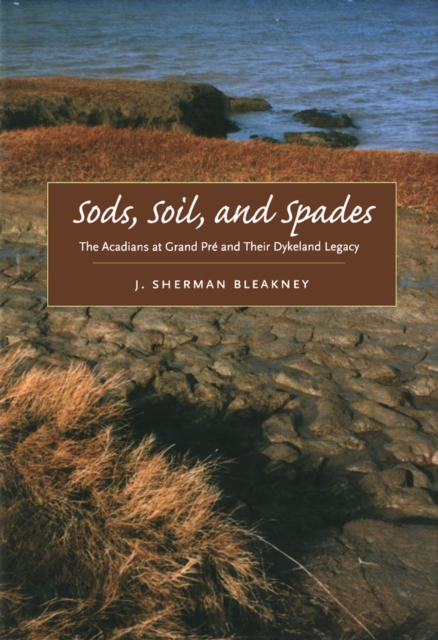
Sods, Soil, and Spades
Sherman Bleakney examines the unusual physical and biological features of this region of the Bay of Fundy, home to the only successful pioneer society in North America to farm below sea level. Using original photographs, diagrams, and graphs, Bleakney shows how and why the Acadians were successful. Sods, Soil, and Spades examines the unique and elegant engineering principles and practices used by the Acadians and looks at how their culture influenced their success in mastering this marshland region.
eBook

Physical and chemical properties of dust in the Pre-Aral region of Uzbekistan
The aim of this work is study of physical and chemical properties of dust of the Pre-Aral region of Uzbekistan such as Karakalpakstan and Khorezm that are located near the three deserts such as the Aralkum, Karakum, and Kyzylkum. The dust particles fell on glass have been collected in Karakalpakstan and Khorezm and studied systematically by employing wide range of methods. Particle volume vs size distribution has been measured with maximum around 600 nm and ~ 10 µm. The major and minor constituent materials present in the dust have been studied systematically by X-ray fluorescence spectroscopy, energy dispersive X-ray diffraction, and inductively coupled plasma optical emission spectroscopy. Main characteristic absorption bands corresponding to Si–O, Si–O-Si bonding in quartz and Fe–O bonds in hematite Fe
2
O
3
have been identified by infrared and Raman spectroscopy. Quartz, hematite, lime, corundum, magnesia, and several other trace minerals have been identified in the dust particles. X-ray diffraction peaks corresponding to quartz, hematite, and corundum are sharp and are found to be more crystalline with some level of disorder. Analysis of the particle size and crystallinity on human being has been performed: disordered or crystalline quartz can create the lung disease; the particles in the size of 0.5–0.7 µm may produce diseases such as chronic silicosis, silicosis, and silica tuberculosis whereas hematite might create lung disease. Dust particles worsen optical transmittance of glass of the panels.
Graphical abstract
Journal Article

Karst groundwater vulnerability assessment: application of an integrative index-based approach to main catchments of middle Valseriana springs (Northern Italy)
The study aim was to assess the intrinsic vulnerability of the middle Valseriana (northern Italy) through a methodology that could fully consider the peculiar characteristics of the Pre-Alps region. After applying classical methods for karst environments (COP and EPIK), the integrative COPA+K method was developed for the Nossana (dominant drainage system) and Ponte del Costone (dispersive circulation system) spring catchments. The COPA+K approach exploits the potential of the COP method with the addition of two factors: the influence of the main discontinuities on the water system according to their distance from the spring (A factor), and the development of the karst network (K factor). The COP and COPA+K maps were validated based on the characteristic correlation, for the study area, between the values of δ18O and the elevation of recharge areas. Compared to COP, the COPA+K results appeared more stringent in the identification of areas characterized by high vulnerability, which passed from 35.6% to 23.6% of the entire study area. COPA+K also made possible to better differentiate the behavior of the two catchments. In terms of high susceptible areas, their percentage difference increased by 12.3%, correctly emphasizing the greater susceptibility of the Nossana drainage system in comparison with the Ponte del Costone dispersive one. For the COPA+K map, in the Nossana catchment, the δ18O values indicated a good agreement between the mean elevation of high vulnerable and water recharge areas (± 106 m). For Ponte del Costone, the isotopic data indicated a possible mixing with the waters of the Serio River.
Journal Article

Review of the Darkling Beetle Genus Microdera Eschscholtz, 1831 (Coleoptera, Tenebrionidae, Tentyriini) from the Caucasus and the Plain Parts of European Russia
AbstractNew data on the distribution, taxonomy, and nomenclature of five tenebrionid species of the genus Microdera from the Caucasus and/or the south of the European part of Russia are presented. A new species, M. urartu sp. n., is described from Armenia and the Nakhchivan Autonomous Republic of Azerbaijan; this species is similar to the Central Asian M. globulicollis Ménétriés, 1849, but its diagnostic characters are provided. Eight new synonyms are established (including two for the latter Central Asian species): Microdera convexa convexa (Tauscher, 1812) = M. transversicollis v. parvicollis Reitter, 1897 (nec M. parvicollis Bates, 1879), syn. n. = M. reitteri Kaszab, 1966, syn. n.; Microdera campestris Steven, 1828 = M. gracilis Eschscholtz, 1831, syn. n. = Rostrax menetriesii Fischer von Waldheim, 1844, syn. n. = M. macrops Reitter, 1915, syn. n. = M. campestris karanogaica Abdurakhmanov et Nabozhenko, 2011, syn. n.; Microdera globulicollis Ménétriés, 1849 = M. margelanica Kraatz, 1982, syn. n. = M. ferganensis Kaszab, 1957, syn. n. Lectotypes of Microdera gracilis and M. globulicollis are designated. A key to the Microdera species from the study region is given.
Journal Article

Laboratory Investigation of Miscible CO2-Induced Enhanced Oil Recovery from the East-Southern Pre-Caspian Region
Enhanced oil recovery (EOR) techniques are essential for maximizing hydrocarbon extraction from mature reservoirs. CO2 injection (CO2-EOR) is a promising technology that improves oil recovery while contributing to greenhouse gas reduction. This study investigates the potential of miscible CO2-enhanced oil recovery (CO2-EOR) in the MakXX oilfield of southeastern Kazakhstan. The aim is to assess oil displacement efficiency and its impact on key rock properties, including porosity, permeability, and mineral composition, under reservoir conditions. Core flooding experiments were conducted at 13 MPa and 42 °C using high-precision equipment to replicate reservoir conditions. The core was analyzed before and after CO2 injection using SEM, EDS, and XRD. The results revealed a 54% oil recovery efficiency, accompanied by a 19% decrease in permeability and 8% reduction in porosity due to mineral precipitation and clay transformation. These findings provide insight into the performance and limitations of CO2-EOR and support its application in similar lithology. To confirm and upscale laboratory observations, numerical simulation was conducted using a compositional model. The results demonstrated improved oil recovery, pressure stabilization, and enhanced sweep efficiency under CO2 injection, supporting the scalability and field applicability of the proposed EOR approach.
Journal Article

Pre-S Deletions are Predominant Quasispecies in HIV/HBV Infection: Quasispecies Perspective
Combined HIV infection can accelerate HBV-induced liver disease. It is known that HBV Pre-S deletion is closely related to HBV-associated terminal liver disease in HBV mono-infection. Currently, data on HBV Pre-S quasispecies feature deletion in HIV/HBV co-infected patients are lacking.
The characteristics and blood samples of patients with chronic HBV infection were collected and classified into an HIV/HBV co-infection group and an HBV mono-infection group according to HIV antibody results before treatment. HBV DNA in serum was extracted. The HBV Pre-S region was amplified by nested-PCR and was further T-A cloned. Using the standard sequence of the matched genotype HBV as a reference, BioEdit 7.0 software was employed for sequence alignment.
HBV Pre-S regions were successfully amplified from 147 patients, including 71 cases in the HIV/HBV co-infected group and 76 cases in the HBV mono-infected group. The proportion of the HIV/HBV co-infected group with Pre-S quasispecies deletion was lower than that of the HBV mono-infected group. By analyzing the frequency of Pre-S quasispecies in the two groups, the frequency of Pre-S quasispecies in HIV/HBV co-infected patients with Pre-S quasispecies was higher than HBV mono-infected patients. The frequency of Pre-S quasispecies deletion of the S protein promoter region in the HIV/HBV co-infected group was significantly higher than that in the HBV mono-infected group.
High-frequency Pre-S quasispecies deletions are predominant in HIV/HBV co-infected patients; however, low-frequency Pre-S deletions are predominant in HBV mono-infected patients, providing a reference for the pathogenesis of the accelerated progression of liver disease in HIV/HBV co-infection.
Journal Article

The impact of single-nucleotide variants of hepatitis B virus and antiviral on liver cancer in gray zone patients
Objectives
This study investigated the impact and related mechanisms of single-nucleotide variants (SNVs) in the HBV pre-S/S region on tumor development, and evaluated the role of antiviral therapy.
Methods
A retrospective analysis was conducted in 104 patients of the gray zone. HCC-associated SNVs were analyzed in baseline samples.
Results
HCC occurred in 15 patients (14.4%) during the median follow-up period of 10.4 years. Genotype B HBV-infected HCC patients had more T53C, A273G, and A529G SNVs and genotype C HBV-infected HCC patients had more T53C, G633A, and A3120G SNVs than HCC-free groups. Antiviral therapy reduced the risk of HCC in patients with HCC-associated SNVs in the gray zone both genotype B or C. Ectopic expression of replication-competent HBV plasmids in Huh7 cells expressing HCC-associated SNVs resulted in greater impairment of mitochondrial dynamics, increased production of reactive oxygen species (ROS), decreased mitochondrial membrane potential, lower ATP production, higher basal calcium levels, and reduced calcium buffering capacity compared to controls or wild-type HBV-expressing cells.
Conclusions
CHB patients in the gray zone remain at risk for HCC owing to both wild-type and HCC-associated HBV SNVs, especially the latter, inducing mitochondrial and metabolic dysfunctions. Antiviral therapy reduces the risk of HCC development in these patients.
Journal Article

Sparse logistic regression revealed the associations between HBV PreS quasispecies and hepatocellular carcinoma
Background
Chronic infection with hepatitis B virus (HBV) has been proved highly associated with the development of hepatocellular carcinoma (HCC).
Aims
The purpose of the study is to investigate the association between HBV preS region quasispecies and HCC development, as well as to develop HCC diagnosis model using HBV preS region quasispecies.
Methods
A total of 104 chronic hepatitis B (CHB) patients and 117 HBV-related HCC patients were enrolled. HBV preS region was sequenced using next generation sequencing (NGS) and the nucleotide entropy was calculated for quasispecies evaluation. Sparse logistic regression (SLR) was used to predict HCC development and prediction performances were evaluated using receiver operating characteristic curves.
Results
Entropy of HBV preS1, preS2 regions and several nucleotide points showed significant divergence between CHB and HCC patients. Using SLR, the classification of HCC/CHB groups achieved a mean area under the receiver operating characteristic curve (AUC) of 0.883 in the training data and 0.795 in the test data. The prediction model was also validated by a completely independent dataset from Hong Kong. The 10 selected nucleotide positions showed significantly different entropy between CHB and HCC patients. The HBV quasispecies also classified three clinical parameters, including HBeAg, HBVDNA, and Alkaline phosphatase (ALP) with the AUC value greater than 0.6 in the test data.
Conclusions
Using NGS and SLR, the association between HBV preS region nucleotide entropy and HCC development was validated in our study and this could promote the understanding of HCC progression mechanism.
Journal Article


Intraoral desmoplastic fibroblastoma: A rare presentation
Desmoplastic fibroblastoma is an uncommon fibrous soft tissue tumor. Only a few cases have been reported in the literature till date. These slow growing, painless mass is most commonly seen in the upper extremities, but rarely in the head and neck region. This article presents a case report of a 45-year-old female who presented with a similar soft tissue mass in the oral cavity. The mass was excised and sent for histopathological evaluation, which confirmed the diagnosis as desmoplastic fibroblastoma.
Journal Article