
Catalogue Search | MBRL


Are you sure you want to remove the book from the shelf?

{{itemTitle}}
8,853
result(s) for
"Professional-Patient Relations."
Sort by:

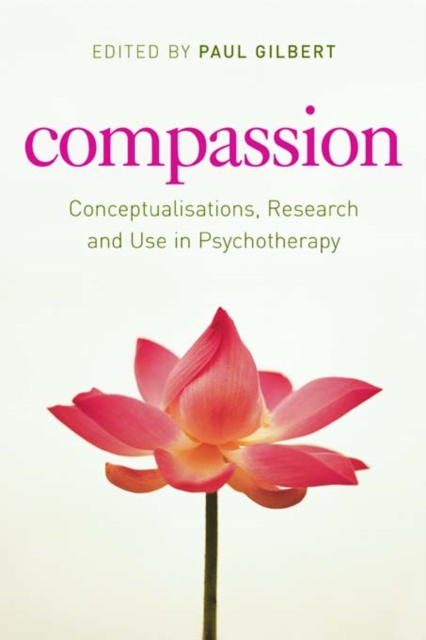
Compassion: Conceptualisations, Research and Use in Psychotherapy
What is compassion, how does it affect the quality of our lives and how can we develop compassion for ourselves and others?Humans are capable of extreme cruelty but also considerable compassion. Often neglected in Western psychology, this book looks at how compassion may have evolved, and is linked to various capacities such as sympathy, empathy, forgiveness and warmth. Exploring the effects of early life experiences with families and peers, this book outlines how developing compassion for self and others can be key to helping people change, recover and develop ways of living that increase well-being.Focusing on the multi-dimensional nature of compassion, international contributors: explore integrative evolutionary, social constructivist, cognitive and Buddhist approaches to compassion consider how and why cruelty can flourish when our capacities for compassion are turned off, especially in particular environments focus on how therapists bring compassion into their therapeutic relationship, and examine its healing effects describe how to help patients develop inner warmth and compassion to help alleviate psychological problems. Compassion provides detailed outlines of interventions that are of particular value to psychotherapists and counsellors interested in developing compassion as a therapeutic focus in their work. It is also of value to social scientists interested in pro-social behaviour, and those seeking links between Buddhist and Western psychology.
eBook


Strategies for Collaborating With Children
Strategies for Collaborating With Children: Creating Partnerships in Occupational Therapy and Research
applies client-centered and strengths-based theories to pediatric practice. The text is organized using a research-based conceptual model of collaboration. Within this text, there are detailed descriptions of how to engage and work with children aged 3 to 12 years, from the beginning to the end of therapy.
Dr. Clare Curtin covers a variety of topics, such as how to interview children, involve them in defining the purpose of therapy, and develop self-advocacy. Similarly presented is the therapist's role as a guide in setting respectful limits, teaching self-regulation, avoiding power struggles, and co-creating educational experiences that are challenging and fun.
Strategies for Collaborating With Children: Creating Partnerships in Occupational Therapy and Research
advocates for children's rights and participation in therapy and research. The United Nations Convention on the Rights of the Child, the new sociology of childhood, and childhood studies are discussed. Also included are children's perspectives on what therapists should know and what children said they might be thinking at each stage of therapy. The last chapter focuses on methods to enhance children's participation in research, including adaptations for children with disabilities.
Unique features:
Describes a new research-based model of collaboration with children
Incorporates children's views and knowledge about therapy
Illustrates the use of client-centered and strengths-based theories as well as child-friendly approaches within pediatric practice
Provides over 1,600 practical strategies that are exemplified by stories with actual dialogue
Describes ways to involve children throughout the research process
Identifies verbal, visual, and activity-based participatory research methods for eliciting children's voices, including creative ways to involve children with different levels of abilities
Includes review questions at the end of each chapter
Instructors in educational settings can visit www.efacultylounge.com for additional material to be used for teaching in the classroom.
Strategies for Collaborating With Children: Creating Partnerships in Occupational Therapy and Research
delivers a comprehensive resource for collaborating with children for the occupational therapist, occupational therapy assistant, or any other practitioner working with children in a therapeutic setting.
eBook


The Object Relations Lens
Some psychoanalytic models focus on \"how\" and \"when\" particular events may have shaped an individual's emotional and behavioral trajectories in life. In a field as accelerated as psychiatry, it's tempting to use this information to rush to a diagnosis.
The object relations model, as clearly outlined in this compelling volume from Dr. Christopher Miller, offers an attractive alternative: it emphasizes how a patient's early development has informed interpersonal relationship templates and how these play out in the here-and-now of the clinical encounter.
As accessible to the trainee as it is relevant to the experienced clinician, this guide describes how leaning into the therapist-patient dyad (including transference-countertransference dynamics) provides a fertile ground for learning about the patient's past more vividly.
Among the book's standout features are:
• Clinical vignettes that richly illustrate object relations theory as applied within therapy sessions as well as in acute care settings• Experience-near guidance on assimilating the concepts in academic settings, best practices for utilizing supervision, and extensive literature recommendations• Discussions of other theoretical approaches (e.g., attachment theory), as well as a dedicated chapter on a neuroscientific model of object relations, demonstrating how this psychodynamic framework can be harmonized within psychiatric theory and practice• A chapter focused on termination, including advice for inviting the patient into the decision-making process
With its mix of theory, practical advice, and illustrative clinical material, The Object Relations Lens is an indispensable resource for any clinician hoping to gain further knowledge of object relations thought and how this perspective can be eminently useful when conceptualizing and working with patients.
eBook

Bilingual Health Communication
Winner of the NCA Health Communication 2021 Distinguished Book Award.
This book examines interpreter-mediated medical encounters and focuses primarily on the phenomenon of bilingual health care. It highlights the interactive and coordinated nature of interpreter-mediated interactions. Elaine Hsieh has put together over 15 hours of interpreter-mediated medical encounters, interview data with 26 interpreters from 17 different cultures/languages, 39 health care providers from 5 clinical specialties, and surveys of 293 providers from 5 clinical specialties. The depth and richness of the data allows for the presentation of a theoretical framework that is not restricted by language combination or clinical contexts. This will be the first book of its kind that includes not only interpreters' perspectives but also the needs and perspectives of providers from various clinical specialties.
Bilingual Health Communication presents an opportunity to lay out a new theoretical framework related to bilingual health care and connects the latest findings from multiple disciplines. This volume presents future research directions that promise development for both theory and practice in the field.
eBook

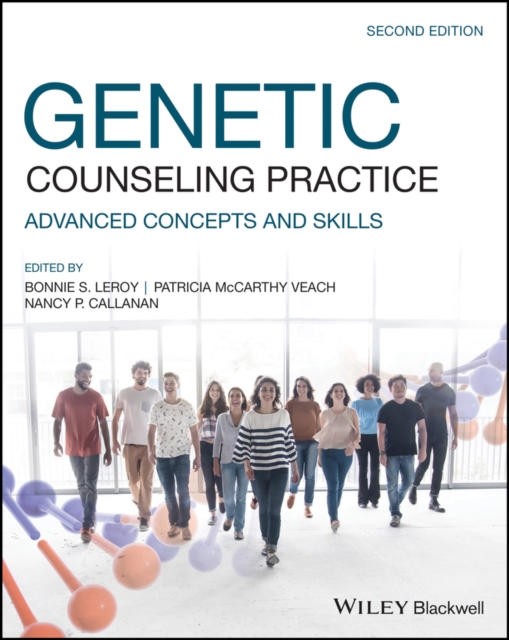
Genetic Counseling Practice
The second edition of Genetic Counseling Practice: Advanced Concepts and Skills, provides in-depth content regarding the advanced competencies for meeting patient needs across the changing landscape of genetic counseling practice. The content aligns with the Reciprocal Engagement Model (REM) of practice which integrates the biomedical knowledge and psychosocial aspects of genetic counseling.
This edition has been revised and expanded to reflect advances made in the present-day field. Edited by a team two genetic counselors and a psychologist, the chapters offer a holistic picture of genetic counseling. Chapter authors are all recognized experts in the profession. The chapters are grounded in evidence-based practice and research. Each chapter includes learning activities to help readers apply concepts and skills. Featured topic areas include:
* Meeting the needs of culturally diverse patients
* Addressing challenging patient dynamics
* Working with children, adolescents and families
* Using emerging service delivery models for genetic counseling
* Engaging in self-reflective, deliberate practice
* Promoting genetic counselor professional development
Genetic Counseling Practice is an indispensable guide to the complex and evolving field of genetic counseling, and this updated second edition will help practitioners and trainees alike navigate its most pressing and practical challenges with skill and care.
eBook