
Catalogue Search | MBRL


Are you sure you want to remove the book from the shelf?

{{itemTitle}}
30,517
result(s) for
"Program Evaluation - methods"
Sort by:

A multidisciplinary, multifactorial intervention program reduces postoperative falls and injuries after femoral neck fracture
This study evaluates whether a postoperative multidisciplinary, intervention program, including systematic assessment and treatment of fall risk factors, active prevention, detection, and treatment of postoperative complications, could reduce inpatient falls and fall-related injuries after a femoral neck fracture.
A randomized, controlled trial at the orthopedic and geriatric departments at Umeå University Hospital, Sweden, included 199 patients with femoral neck fracture, aged >or=70 years.
Twelve patients fell 18 times in the intervention group compared with 26 patients suffering 60 falls in the control group. Only one patient with dementia fell in the intervention group compared with 11 in the control group. The crude postoperative fall incidence rate was 6.29/1,000 days in the intervention group vs 16.28/1,000 days in the control group. The incidence rate ratio was 0.38 [95% confidence interval (CI): 0.20 - 0.76, p=0.006] for the total sample and 0.07 (95% CI: 0.01-0.57, p=0.013) among patients with dementia. There were no new fractures in the intervention group but four in the control group.
A team applying comprehensive geriatric assessment and rehabilitation, including prevention, detection, and treatment of fall risk factors, can successfully prevent inpatient falls and injuries, even in patients with dementia.
Journal Article

A Library of Analytic Indicators to Evaluate Effective Engagement with Consumer mHealth Apps for Chronic Conditions: Scoping Review
There is mixed evidence to support current ambitions for mobile health (mHealth) apps to improve chronic health and well-being. One proposed explanation for this variable effect is that users do not engage with apps as intended. The application of analytics, defined as the use of data to generate new insights, is an emerging approach to study and interpret engagement with mHealth interventions.
This study aimed to consolidate how analytic indicators of engagement have previously been applied across clinical and technological contexts, to inform how they might be optimally applied in future evaluations.
We conducted a scoping review to catalog the range of analytic indicators being used in evaluations of consumer mHealth apps for chronic conditions. We categorized studies according to app structure and application of engagement data and calculated descriptive data for each category. Chi-square and Fisher exact tests of independence were applied to calculate differences between coded variables.
A total of 41 studies met our inclusion criteria. The average mHealth evaluation included for review was a two-group pretest-posttest randomized controlled trial of a hybrid-structured app for mental health self-management, had 103 participants, lasted 5 months, did not provide access to health care provider services, measured 3 analytic indicators of engagement, segmented users based on engagement data, applied engagement data for descriptive analyses, and did not report on attrition. Across the reviewed studies, engagement was measured using the following 7 analytic indicators: the number of measures recorded (76%, 31/41), the frequency of interactions logged (73%, 30/41), the number of features accessed (49%, 20/41), the number of log-ins or sessions logged (46%, 19/41), the number of modules or lessons started or completed (29%, 12/41), time spent engaging with the app (27%, 11/41), and the number or content of pages accessed (17%, 7/41). Engagement with unstructured apps was mostly measured by the number of features accessed (8/10, P=.04), and engagement with hybrid apps was mostly measured by the number of measures recorded (21/24, P=.03). A total of 24 studies presented, described, or summarized the data generated from applying analytic indicators to measure engagement. The remaining 17 studies used or planned to use these data to infer a relationship between engagement patterns and intended outcomes.
Although researchers measured on average 3 indicators in a single study, the majority reported findings descriptively and did not further investigate how engagement with an app contributed to its impact on health and well-being. Researchers are gaining nuanced insights into engagement but are not yet characterizing effective engagement for improved outcomes. Raising the standard of mHealth app efficacy through measuring analytic indicators of engagement may enable greater confidence in the causal impact of apps on improved chronic health and well-being.
Journal Article

Comparisons and Limitations of Current Definitions of Bronchopulmonary Dysplasia for the Prematurity and Respiratory Outcomes Program
Abstract
Rationale
Bronchopulmonary dysplasia is the most common morbidity of prematurity, but the validity and utility of commonly used definitions have been questioned.
Objectives
To compare three commonly used definitions of bronchopulmonary dysplasia in a contemporary prospective, multicenter observational cohort of extremely preterm infants.
Methods
At 36 weeks postmenstrual age, the following definitions of bronchopulmonary dysplasia were applied to surviving infants with and without imputation: need for supplemental oxygen (Shennan definition), National Institutes of Health Workshop definition, and “physiologic” definition after a room-air challenge.
Measurements and Main Results
Of 765 survivors assessed at 36 weeks, bronchopulmonary dysplasia was diagnosed in 40.8, 58.6, and 32.0% of infants, respectively, with the Shennan, workshop and physiologic definitions. The number of unclassified infants was lowest with the workshop definition (2.1%) and highest with the physiologic definition (16.1%). After assigning infants discharged home in room air before 36 weeks as no bronchopulmonary dysplasia, the modified Shennan definition compared favorably to the workshop definition, with 2.9% unclassified infants. Newer management strategies with nasal cannula flows up to 4 L/min or more and 0.21 Fi O2 at 36 weeks obscured classification of bronchopulmonary dysplasia status in 12.4% of infants.
Conclusions
Existing definitions of bronchopulmonary dysplasia differ with respect to ease of data collection and number of unclassifiable cases. Contemporary changes in management of infants, such as use of high-flow nasal cannula, limit application of existing definitions and may result in misclassification. A contemporary definition of bronchopulmonary dysplasia that correlates with respiratory morbidity in childhood is needed.
Clinical trial registered with www.clinicaltrials.gov (NCT01435187).
Journal Article

The effect of a programme to improve men’s sedentary time and physical activity: The European Fans in Training (EuroFIT) randomised controlled trial
Reducing sitting time as well as increasing physical activity in inactive people is beneficial for their health. This paper investigates the effectiveness of the European Fans in Training (EuroFIT) programme to improve physical activity and sedentary time in male football fans, delivered through the professional football setting.
A total of 1,113 men aged 30-65 with self-reported body mass index (BMI) ≥27 kg/m2 took part in a randomised controlled trial in 15 professional football clubs in England, the Netherlands, Norway, and Portugal. Recruitment was between September 19, 2015, and February 2, 2016. Participants consented to study procedures and provided usable activity monitor baseline data. They were randomised, stratified by club, to either the EuroFIT intervention or a 12-month waiting list comparison group. Follow-up measurement was post-programme and 12 months after baseline. EuroFIT is a 12-week, group-based programme delivered by coaches in football club stadia in 12 weekly 90-minute sessions. Weekly sessions aimed to improve physical activity, sedentary time, and diet and maintain changes long term. A pocket-worn device (SitFIT) allowed self-monitoring of sedentary time and daily steps, and a game-based app (MatchFIT) encouraged between-session social support. Primary outcome (objectively measured sedentary time and physical activity) measurements were obtained for 83% and 85% of intervention and comparison participants. Intention-to-treat analyses showed a baseline-adjusted mean difference in sedentary time at 12 months of -1.6 minutes/day (97.5% confidence interval [CI], -14.3-11.0; p = 0.77) and in step counts of 678 steps/day (97.5% CI, 309-1.048; p < 0.001) in favor of the intervention. There were significant improvements in diet, weight, well-being, self-esteem, vitality, and biomarkers of cardiometabolic health in favor of the intervention group, but not in quality of life. There was a 0.95 probability of EuroFIT being cost-effective compared with the comparison group if society is willing to pay £1.50 per extra step/day, a maximum probability of 0.61 if society is willing to pay £1,800 per minute less sedentary time/day, and 0.13 probability if society is willing to pay £30,000 per quality-adjusted life-year (QALY). It was not possible to blind participants to group allocation. Men attracted to the programme already had quite high levels of physical activity at baseline (8,372 steps/day), which may have limited room for improvement. Although participants came from across the socioeconomic spectrum, a majority were well educated and in paid work. There was an increase in recent injuries and in upper and lower joint pain scores post-programme. In addition, although the five-level EuroQoL questionnaire (EQ-5D-5L) is now the preferred measure for cost-effectiveness analyses across Europe, baseline scores were high (0.93), suggesting a ceiling effect for QALYs.
Participation in EuroFIT led to improvements in physical activity, diet, body weight, and biomarkers of cardiometabolic health, but not in sedentary time at 12 months. Within-trial analysis suggests it is not cost-effective in the short term for QALYs due to a ceiling effect in quality of life. Nevertheless, decision-makers may consider the incremental cost for increase in steps worth the investment.
International Standard Randomised Controlled Trials, ISRCTN-81935608.
Journal Article

Effectiveness of a Technology-Based Supportive Educational Parenting Program on Parental Outcomes (Part 1): Randomized Controlled Trial
Transitioning into parenthood can be stressful for new parents, especially with the lack of continuity of care from health care professionals during the postpartum period. Short hospital stays limit the availability of support and time parents need to be well equipped with parenting and infant care skills. Poor parental adjustment may, in turn, lead to negative parental outcomes and adversely affect the child's development. For the family's future well-being, and to facilitate a smoother transition into parenthood, there is a need for easily accessible, technology-based educational programs to support parents during the crucial perinatal period.
This study aimed to examine the effectiveness of a technology-based supportive educational parenting program (SEPP) on parenting outcomes during the perinatal period in couples.
A randomized, single-blinded, parallel-armed, controlled trial was conducted. The study recruited 236 parents (118 couples) from an antenatal clinic of a tertiary hospital in Singapore. Eligible parents were randomly assigned to the intervention group (n=118) or the control group (n=118). The SEPP is based on Bandura's self-efficacy theory and Bowlby's theory of attachment. Components of the intervention include 2 telephone-based educational sessions (1 antenatal and 1 immediately postnatal) and a mobile health app follow-up for 1 month. The control group only received routine perinatal care provided by the hospital. Outcome measures including parenting self-efficacy (PSE), parental bonding, perceived social support, parenting satisfaction, postnatal depression (PND), and anxiety were measured using reliable and valid instruments. Data were collected over 6 months at 4 time points: during pregnancy (third trimester), 2 days postpartum, 1 month postpartum, and 3 months postpartum. Outcomes were standardized using baseline means and SDs. Linear mixed models were used to compare the groups for postpartum changes in the outcome variables.
The intervention group showed significantly better outcome scores than the control group from baseline to 3 months postpartum for PSE (mean difference, MD, 0.37; 95% CI 0.06 to 0.68; P=.02), parental bonding (MD -1.32; 95% CI -1.89 to -0.75; P<.001), self-perceived social support (MD 0.69; 95% CI 0.18 to 1.19; P=.01), parenting satisfaction (MD 1.40; 95% CI 0.86 to 1.93; P<.001), and PND (MD -0.91; 95% CI -1.34 to -0.49; P<.001). Postnatal anxiety (PNA) scores of the intervention group were only significantly better after adjusting for covariates (MD -0.82; 95% CI -1.15 to -0.49; P<.001).
The technology-based SEPP is effective in enhancing parental bonding, PSE, perceived social support and parental satisfaction, and in reducing PND and PNA. Health care professionals could incorporate it with existing hands-on infant care classes and routine care to better meet parents' needs and create positive childbirth experiences, which may in turn encourage parents to have more children.
ISRCTN Registry ISRCTN48536064; http://www.isrctn.com/ISRCTN48536064 (Archived by WebCite at http://www.webcitation.org/6wMuEysiO).
Journal Article

Youth Empowerment Solutions
We report on an effectiveness evaluation of the Youth Empowerment Solutions (YES) program. YES applies empowerment theory to an after-school program for middle school students. YES is an active learning curriculum designed to help youth gain confidence in themselves, think critically about their community, and work with adults to create positive community change. We employed a modified randomized control group design to test the hypothesis that the curriculum would enhance youth empowerment, increase positive developmental outcomes, and decrease problem behaviors. Our sample included 367 youth from 13 urban and suburban middle schools. Controlling for demographic characteristics and pretest outcome measures, we found that youth who received more components of the curriculum reported more psychological empowerment and prosocial outcomes and less antisocial outcomes than youth who received fewer of the intervention components. The results support both empowerment theory and program effectiveness.
Journal Article

A realist process evaluation within the Facilitating Implementation of Research Evidence (FIRE) cluster randomised controlled international trial: an exemplar
Background
Facilitation is a promising implementation intervention, which requires theory-informed evaluation. This paper presents an exemplar of a multi-country realist process evaluation that was embedded in the first international randomised controlled trial evaluating two types of facilitation for implementing urinary continence care recommendations. We aimed to uncover what worked (and did not work), for whom, how, why and in what circumstances during the process of implementing the facilitation interventions in practice.
Methods
This realist process evaluation included theory formulation, theory testing and refining. Data were collected in 24 care home sites across four European countries. Data were collected over four time points using multiple qualitative methods: observation (372 h), interviews with staff (
n
= 357), residents (
n
= 152), next of kin (
n
= 109) and other stakeholders (
n
= 128), supplemented by facilitator activity logs. A combined inductive and deductive data analysis process focused on realist theory refinement and testing.
Results
The content and approach of the two facilitation programmes prompted variable opportunities to align and realign support with the needs and expectations of facilitators and homes. This influenced their level of confidence in fulfilling the facilitator role and ability to deliver the intervention as planned. The success of intervention implementation was largely dependent on whether sites prioritised their involvement in both the study and the facilitation programme. In contexts where the study was prioritised (including release of resources) and where managers and staff support was sustained, this prompted collective engagement (as an attitude and action). Internal facilitators’ (IF) personal characteristics and abilities, including personal and formal authority, in combination with a supportive environment prompted by managers triggered the potential for learning over time. Learning over time resulted in a sense of confidence and personal growth, and enactment of the facilitation role, which resulted in practice changes.
Conclusion
The scale and multi-country nature of this study provided a novel context to conduct one of the few trial embedded realist-informed process evaluations. In addition to providing an explanatory account of implementation processes, a conceptual platform for future facilitation research is presented. Finally, a realist-informed process evaluation framework is outlined, which could inform future research of this nature.
Trial registration
Current controlled trials
ISRCTN11598502
.
Journal Article

Evaluating the impact of the DREAMS partnership to reduce HIV incidence among adolescent girls and young women in four settings: a study protocol
Background
HIV risk remains unacceptably high among adolescent girls and young women (AGYW) in southern and eastern Africa, reflecting structural and social inequities that drive new infections. In 2015, PEPFAR (the United States President’s Emergency Plan for AIDS Relief) with private-sector partners launched the DREAMS Partnership, an ambitious package of interventions in 10 sub-Saharan African countries. DREAMS aims to reduce HIV incidence by 40% among AGYW over two years by addressing multiple causes of AGYW vulnerability. This protocol outlines an impact evaluation of DREAMS in four settings.
Methods
To achieve an impact evaluation that is credible and timely, we describe a mix of methods that build on longitudinal data available in existing surveillance sites prior to DREAMS roll-out. In three long-running surveillance sites (in rural and urban Kenya and rural South Africa), the evaluation will measure: (1) population-level changes over time in HIV incidence and socio-economic, behavioural and health outcomes among AGYW and young men (before, during, after DREAMS); and (2) causal pathways linking uptake of DREAMS interventions to ‘mediators’ of change such as empowerment, through to behavioural and health outcomes, using nested cohort studies with samples of ~ 1000–1500 AGYW selected randomly from the general population and followed for two years. In Zimbabwe, where DREAMS includes an offer of pre-exposure HIV prophylaxis (PrEP), cohorts of young women who sell sex will be followed for two years to measure the impact of ‘DREAMS+PrEP’ on HIV incidence among young women at highest risk of HIV. In all four settings, process evaluation and qualitative studies will monitor the delivery and context of DREAMS implementation. The primary evaluation outcome is HIV incidence, and secondary outcomes include indicators of sexual behavior change, and social and biological protection.
Discussion
DREAMS is, to date, the most ambitious effort to scale-up combinations or ‘packages’ of multi-sectoral interventions for HIV prevention. Evidence of its effectiveness in reducing HIV incidence among AGYW, and demonstrating which aspects of the lives of AGYW were changed, will offer valuable lessons for replication.
Journal Article

Does optimizing Choose to Move – a health-promoting program for older adults – enhance scalability, program implementation and effectiveness?
Background
Investment in scale-up and sustainment of effective health-promoting programs is often hampered by competing demands on scarce health dollars. Thus, optimizing programs to reduce resource use (e.g., delivery costs) while maintaining effectiveness is necessary to promote health at scale. Using a phased approach (2015–2024), we adapted and scaled-up an evidence-based, health-promoting program for older adults (Choose to Move; CTM). For CTM Phase 4 we undertook a systematic, data-driven adaptation process to reduce resource use. In this paper we: 1) describe the CTM Phase 4 program (‘CTM Phase 4’) and assess its 2) implementation and 3) effectiveness.
Methods
For CTM Phase 4 (30-min one-on-one consultation and 8, 60-min group meetings with an activity coach), we reduced activity coach hours by 40% compared to Phase 3. To evaluate effectiveness of CTM Phase 4 we conducted a type 2 hybrid effectiveness-implementation study involving 137 programs (1126 older adults; 59–74 years, 75 + years) delivered by 29 activity coaches. We assessed implementation indicators (e.g., dose, fidelity, adaptation, participant responsiveness, self-efficacy) via survey in activity coaches and older adults. We assessed older adults’ physical activity (PA), mobility, social isolation, and loneliness before and after (0, 3 months) the program.
Results
Implementation indicators demonstrated that CTM Phase 4 was delivered successfully. Post-intervention, PA (+ 1.5 days/week; 95% CI 1.3, 1.6), mobility limitations (-6.4%), and scores for mobility (+ 0.7; 95% CI: 0.4, 1.3), social isolation (+ 0.69; 95% CI: 0.50, 0.89), and loneliness (-0.24; 95% CI: -0.34, -0.13) were improved in those < 75 years. Among those ≥ 75 years, PA (+ 1.0 days/week; 95% CI, 0.7, 1.2), mobility score (+ 1.1; 95% CI: 0.4, 1.8), and social isolation score (+ 0.31; 95% CI: 0.002, 0.61) were improved post-intervention. Overall, participant-level benefits were comparable to those observed in Phase 3.
Conclusions
CTM was co-designed as a flexible program, adapted over time based on user group needs and preferences. This flexibility enabled us to reduce activity coach delivery hours without compromising implementation or benefits to older adults’ health. Optimizing effective health-promoting programs to enhance their scalability and sustainability provides an important pathway to improved population health.
Trial Registration
ClinicalTrials.gov, NCT05678985. Registered 10 January 2023 – Retrospectively registered,
https://clinicaltrials.gov/study/NCT05678985
.
Journal Article
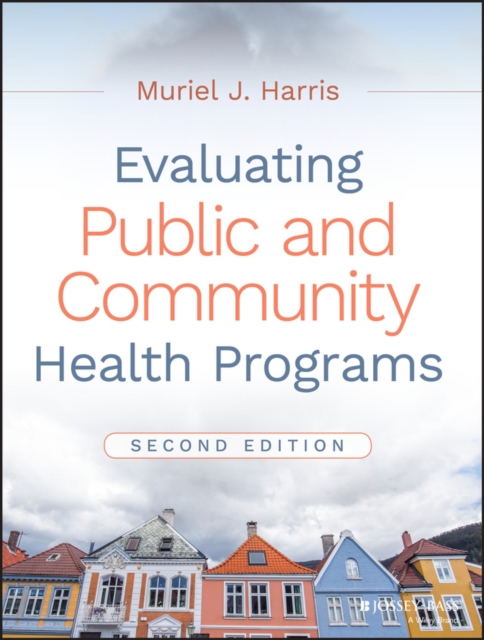
Evaluating public and community health programs
A practical introduction to participatory program evaluation
Evaluating Public and Community Health Programs provides a comprehensive introduction to the theory and practice of evaluation, with a participatory model that brings stakeholders together for the good of the program. Linking community assessment, program implementation, and program evaluation, this book emphasizes practical, ongoing evaluation strategies that connect theory with application. This updated second edition includes new discussion on planning policy change programs using logic models and theory of change, plus expanded coverage of processes, outcomes, data collection, and more. Each chapter includes classroom activities and group discussion prompts, and the companion website provides worksheets, lecture slides, and a test bank for instructors. Mini cases help illustrate the real-world applications of the methods described, and expanded case studies allow students to dig deeper into practice and apply what they've learned.
Accurate and effective evaluation is the key to a successful program. This book provides a thorough introduction to all aspects of this critical function, with a wealth of opportunities to apply new concepts.
* Learn evaluation strategies that involve all program stakeholders
* Link theory to practice with new mini cases and examples
* Understand the uses, processes, and approaches to evaluation
* Discover how ongoing evaluation increases program effectiveness
Public and community health programs are a vital part of our social infrastructure, and the more effective they are, the more people they can serve. Proper planning is important, but continued evaluation is what keeps a program on track for the long term. Evaluating Public and Community Health Programs provides clear instruction and insightful discussion on the many facets of evaluation, with a central focus on real-world service.
eBook