Catalogue Search | MBRL


Are you sure you want to remove the book from the shelf?

{{itemTitle}}
40,008
result(s) for
"Prophet"
Sort by:
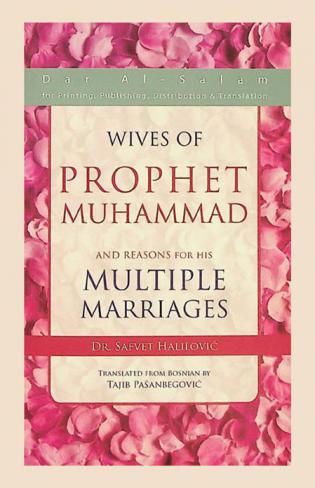

The Cartoons That Shook the World
On September 30, 2005, the Danish newspaperJyllands-Postenpublished twelve cartoons of the Prophet Muhammad. Five months later, thousands of Muslims inundated the newspaper with outpourings of anger and grief by phone, email, and fax; from Asia to Europe Muslims took to the streets in protest. This book is the first comprehensive investigation of the conflict that aroused impassioned debates around the world on freedom of expression, blasphemy, and the nature of modern Islam.
Jytte Klausen interviewed politicians in the Middle East, Muslim leaders in Europe, the Danish editors and cartoonists, and the Danish imam who started the controversy. Following the winding trail of protests across the world, she deconstructs the arguments and motives that drove the escalation of the increasingly globalized conflict. She concludes that the Muslim reaction to the cartoons was not-as was commonly assumed-a spontaneous emotional reaction arising out of the clash of Western and Islamic civilizations. Rather it was orchestrated, first by those with vested interests in elections in Denmark and Egypt, and later by Islamic extremists seeking to destabilize governments in Pakistan, Lebanon, Libya, and Nigeria. Klausen shows how the cartoon crisis was, therefore, ultimately a political conflict rather than a colossal cultural misunderstanding.
eBook
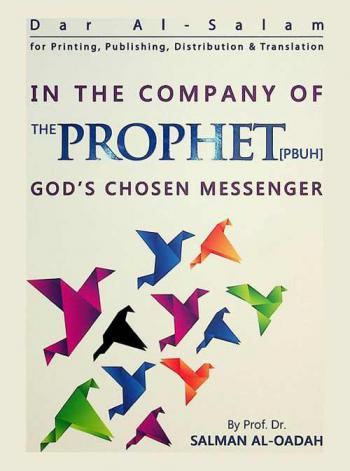


My first book about Prophet Muhammad : teachings for toddlers and young children
\"This simple but beautiful book touches upon Prophet Muhammad's* life story, his unshakable love for Allah and some of his amazing characteristics: his bravery, determination and kindness.\"--Back cover.
BOOK

Muhammad Is Not the Father of Any of Your Men
The Islamic claim to supersede Judaism and Christianity is embodied in the theological assertion that the office of prophecy is hereditary but that the line of descent ends with Muhammad, who is the seal, or last, of the prophets.While Muhammad had no natural sons who reached the age of maturity, he is said to have adopted a man named Zayd, and mutual rights of inheritance were created between the two. Zayd b. Muhammad, also known as the Beloved of the Messenger of God, was the first adult male to become a Muslim and the only Muslim apart from Muhammad to be named in the Qur'an. But if prophecy is hereditary and Muhammad has a son, David Powers argues, then he might not be the Last Prophet. Conversely, if he is the Last Prophet, he cannot have a son.In Muhammad Is Not the Father of Any of Your Men, Powers contends that a series of radical moves were made in the first two centuries of Islamic history to ensure Muhammad's position as the Last Prophet. He focuses on narrative accounts of Muhammad's repudiation of Zayd, of his marriage to Zayd's former wife, and of Zayd's martyrdom in battle against the Byzantines. Powers argues that theological imperatives drove changes in the historical record and led to the abolition or reform of key legal institutions. In what is likely to be the most controversial aspect of his book, he offers compelling physical evidence that the text of the Qur'an itself was altered.
eBook
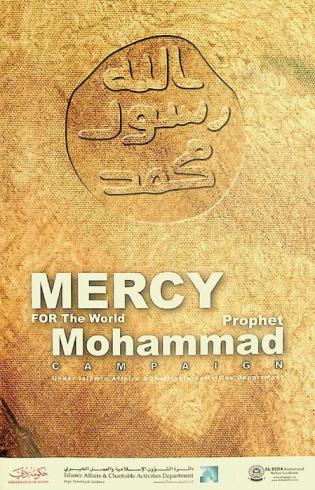

On prophets, warriors, and kings
In response to the growing interest in the history of biblical interpretation, this volume brings together a variety of studies exploring ways in which ancient and modern readers, Jewish and Christian, understood the Prophetic Books. With a particular emphasis on significant figures in the Former Prophets, these essays engage their interpretation in such literary corpora as the Hebrew Bible, the Dead Sea Scrolls, and the New Testament.
eBook