
Catalogue Search | MBRL


Are you sure you want to remove the book from the shelf?

{{itemTitle}}
4
result(s) for
"Psychometrics Problems, exercises, etc."
Sort by:

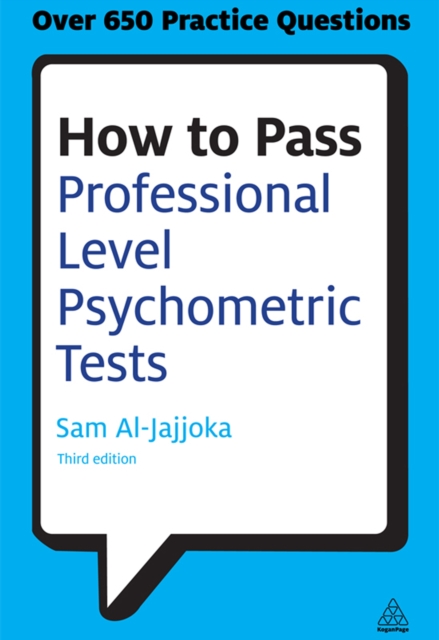
How to Pass Professional Level Psychometric Tests
How to Pass Professional Level Psychometric Tests contains a wealth of practice questions to help prepare you for exactly the type of tests you will face in recruitment assessments for professional careers. A staggering 650 questions and answers, consisting of 20 timed practice tests reflect real life exams favoured by the most popular organisations. It is particularly useful for those facing aggressive psychometric tests, particularly candidates for careers in IT, management and finance. Also including practice questions for common verbal reasoning and numerical tests, How to Pass Professional Level Psychometric Tests provides essential help and preparation to improve your score and gain the competitive edge over the competition.
eBook
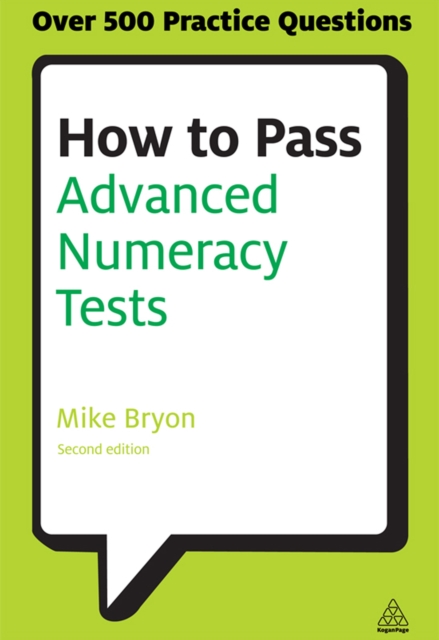
How to Pass Advanced Numeracy Tests
By testing expert Mike Bryon, How to Pass Advanced Numeracy Tests provides a wealth of practice questions and detailed explanations to boost your ability in a range of numeracy assessment tests. With over 500 practice questions and four realistic tests, it is ideal for graduate and management level candidates who want to revise the basics and progress to more difficult questions. Sections on quantitative reasoning, data interpretation and business judgement offer realistic practice to help you rise to the challenge and beat the competition.
eBook

PISA 2012 Results: Students and Money (Volume VI)
This sixth volume of PISA 2012 results examines 15-year-old students’ performance in financial literacy in the 18 countries and economies that participated in this optional assessment. It also discusses the relationship of financial literacy to students’ and their families’ background and to students’ mathematics and reading skills. The volume also explores students’ access to money and their experience with financial matters. In addition, it provides an overview of the current status of financial education in schools and highlights relevant case studies.
eBook