
Catalogue Search | MBRL


Are you sure you want to remove the book from the shelf?

{{itemTitle}}
5
result(s) for
"Purusha"
Sort by:

Mind and consciousness in yoga - Vedanta: A comparative analysis with western psychological concepts
Study of mind and consciousness through established scientific methods is often difficult due to the observed-observer dichotomy. Cartesian approach of dualism considering the mind and matter as two diverse and unconnected entities has been questioned by oriental schools of Yoga and Vedanta as well as the recent quantum theories of modern physics. Freudian and Neo-freudian schools based on the Cartesian model have been criticized by the humanistic schools which come much closer to the vedantic approach of unitariness. A comparative analysis of the two approaches is discussed.
Journal Article
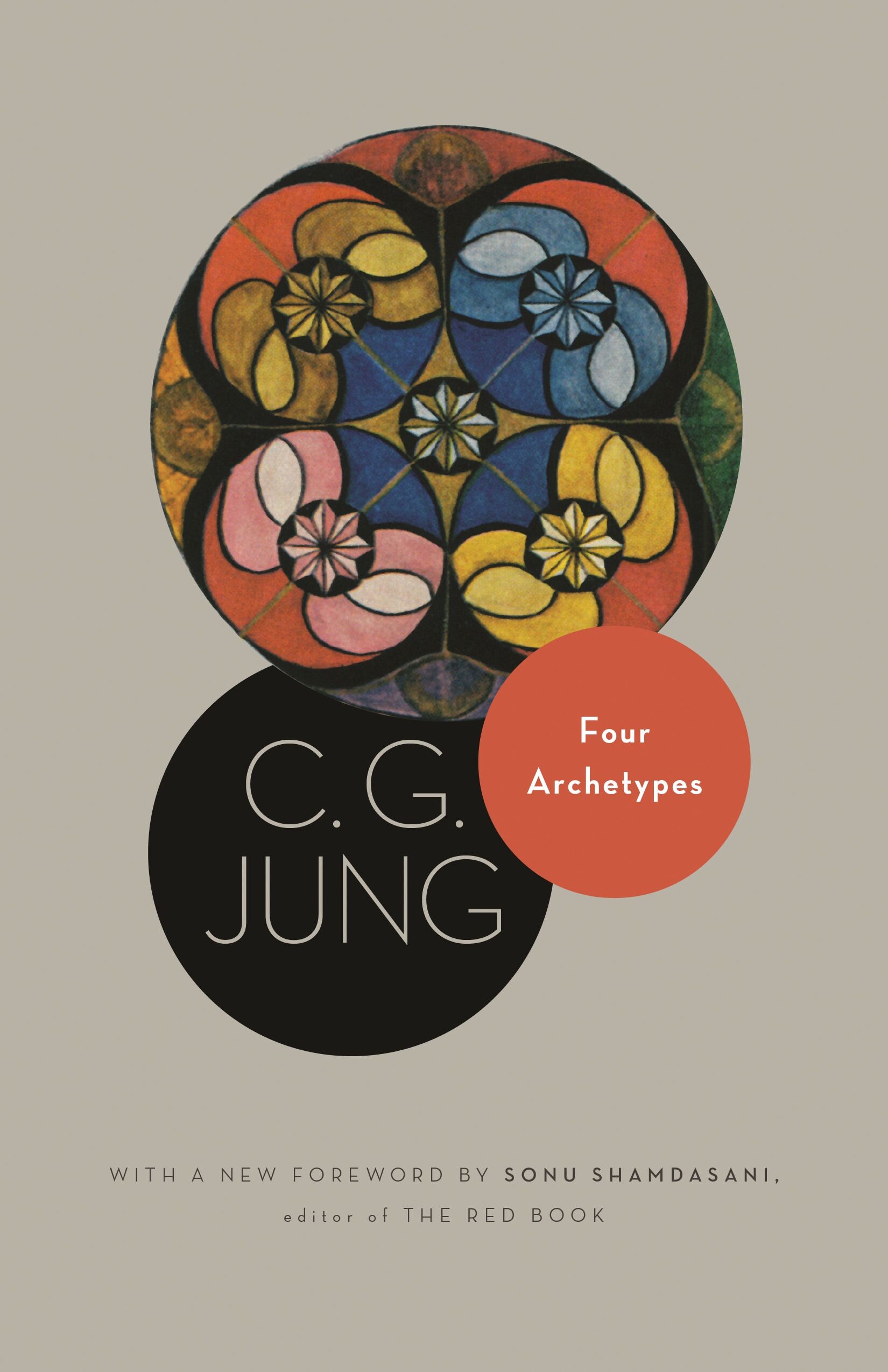
Four Archetypes
One of Jung's most influential ideas has been his view, presented here, that primordial images, or archetypes, dwell deep within the unconscious of every human being. The essays in this volume gather together Jung's most important statements on the archetypes, beginning with the introduction of the concept in \"Archetypes and the Collective Unconscious.\" In separate essays, he elaborates and explores the archetypes of the Mother and the Trickster, considers the psychological meaning of the myths of Rebirth, and contrasts the idea of Spirits seen in dreams to those recounted in fairy tales.
This paperback edition of Jung's classic work includes a new foreword by Sonu Shamdasani, Philemon Professor of Jung History at University College London.
eBook

Jung on Christianity
C. G. Jung, son of a Swiss Reformed pastor, used his Christian background throughout his career to illuminate the psychological roots of all religions. Jung believed religion was a profound, psychological response to the unknown--both the inner self and the outer worlds--and he understood Christianity to be a profound meditation on the meaning of the life of Jesus of Nazareth within the context of Hebrew spirituality and the Biblical worldview. Murray Stein's introduction relates Jung's personal relationship with Christianity to his psychological views on religion in general, his hermeneutic of religious thought, and his therapeutic attitude toward Christianity. This volume includes extensive selections from Psychological Approach to the Dogma of the Trinity,\" \"Christ as a Symbol of the Self,\" from Aion, \"Answer to Job,\" letters to Father Vincent White from Letters, and many more. Murray Stein, Ph.D., is the author of Jung's Treatment of Christianity, Practicing Wholeness, Transformation--Emergence of the Self, and Jung's Map of the Soul. He is an international lecturer and teacher, and currently vice president of the International Association for Analytical Psychology. He is also a training analyst at the C.G. Jung Institute of Chicago.
eBook
Holistic expo in Mount Dora aims for 'camaraderie'
MOUNT DORA Vendors at Saturday's High Velocity Living Expo will include healing practitioners, massage therapists, natural child-birthing experts, yoga practitioners and psychic mediums.
Newspaper Article

Science and the Spiritual Vision: A Hindu Perspective
Every religious tradition has a spiritual basis. Hinduism is no exception. In this paper the spiritual framework of Hinduism is discussed, after a brief historical background, with reference to scientific worldviews. Particular attention is paid to the notions of objective knowledge, transcendental reality, and the Hindu view on the meaning of human existence.
Journal Article