
Catalogue Search | MBRL


Are you sure you want to remove the book from the shelf?

{{itemTitle}}
32,907
result(s) for
"Qualitative research -- Methodology"
Sort by:

Crafting qualitative research : beyond positivist traditions
Focusing on the philosophical underpinnings and practical implications of diverse qualitative methods, this comprehensive text offers a guided tour of the options available to qualitative researchers, highlighting aspects of research design, execution, and analysis in each tradition. In clear, readable prose, the author offers insight into the ambiguities, tensions, and interconnections of diverse qualitative research traditions without resorting to oversimplification.
Book

Mastering the Semi-Structured Interview and Beyond
Mastering the Semi-Structured Interview and Beyondoffers an in-depth and captivating step-by-step guide to the use of semi-structured interviews in qualitative research. By tracing the life of an actual research project-an exploration of a school district's effort over 40 years to address racial equality-as a consistent example threaded across the volume, Anne Galletta shows in concrete terms how readers can approach the planning and execution of their own new research endeavor, and illuminates unexpected real-life challenges they may confront and how to address them.The volume offers a close look at the inductive nature of qualitative research, the use of researcher reflexivity, and the systematic and iterative steps involved in data collection, analysis, and interpretation. It offers guidance on how to develop an interview protocol, including the arrangement of questions and ways to evoke analytically rich data.Particularly useful for those who may be familiar with qualitative research but have not yet conducted a qualitative study,Mastering the Semi-Structured Interview and Beyondwill serve both undergraduate and graduate students as well as more advanced scholars seeking to incorporate this key methodological approach into their repertoire.Anne Gallettais Associate Professor at the College of Education and Human Services at Cleveland State University.William E. Cross, Jr.is the author of Shades of Black: Diversity in African-American Identity.In theQualitative Studies in Psychologyseries
eBook


Arts based research
Arts Based Research is ideal for students, researchers, and practitioners. This unique book provides a framework for broadening the domain of qualitative inquiry in the social sciences by incorporating the arts as a means of better understanding and rethinking important social issues. In the book's 10 thought-provoking chapters, authors Tom Barone and Elliot W. Eisner--pioneers in the field--address key aspects of arts based research, including its purpose and fundamental ideas, controversies that surround the field and the politics and ethics involved, and key criteria for evaluation.
eBook


Qualitative Research in Tourism
The first to focus solely upon qualitative research in tourism, this book combines discussions of the philosophies underpinning qualitative research, with reflexive chapters that demonstrate how these techniques can be used.
Incorporating a range of case studies written by leading international scholars, this book makes clear the ways in which these pieces of research have been informed by the authors' epistemological, ontological and methodological standpoint. Based on a range of empirical tourism studies set in the context of theoretical discussion, it demonstrates the benefits of using a range of qualitative approaches to research tourism, exploring the ways in which a number of techniques, including participants observation, memory work, biographical diaries, focus groups and visual exercises, have been adopted by researchers from a range of disciplinary backgrounds to undertake empirical research in tourism.
An indispensable text for final year undergraduates, Masters and PhD students embarking on research in the field, it also will be a valuable title for academics with an interest in either tourism research or qualitative methodology. Linking theory with research practice, it offers a holistic account of qualitative research in tourism.
Part 1 1. Progress in Qualitative Research in Tourism: Epistemology, Ontology and Methodology 2. The Inquiry Paradigm in Qualitative Tourism Research 3. Knowing About Tourism: Epistemological Issues 4. A Primer in Ontological Craft: The Creative Capture of People and Places Through Qualitative Research 5. Ontological Craft in Tourism Studies: The Productive Mapping of Identity and Image in Tourism Settings 6. (Dis)Embodied Experience and Power Dynamics in Tourism Research 7. Standpoint Research: Multiple Versions of Reality in Tourism Theorising and Research 8. Reflexivity and Tourism Research: Situating Myself and/with Others 9. Trustworthiness in Qualitative Tourism Research 10. New Wine in Old Bottles: An Adjustment of Priorities in the Anthropological Study of Tourism 11. From Ontology, Epistemology and Methodology to the field Part 2 12. The Research Process as a Journey: From positivist traditions into the realms of qualitative inquiry 13. Let your Data do the Talking: Researching the Solo Travel Experiences of British and American Women 14. The Life and Work History Methodology: A Discussion of its Potential use for Tourism and Hospitality Research 15. Memory 16. Contributions of Qualitative Research to Understanding the Politics of Community Ecotourism 17. Shared Benefits: Longitudinal Research in Eastern Indonesia 18. Translators, Trust and Truth: Cross-Cultural Issues in Sustainable Tourism Research
eBook

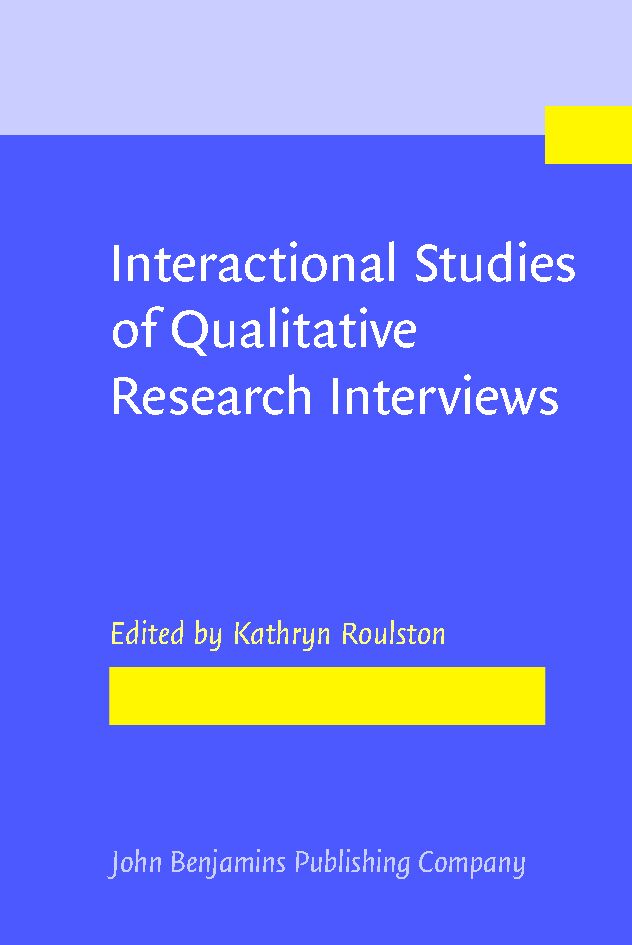
Interactional Studies of Qualitative Research Interviews
Methodological accounts of research interviews find that how researchers use this tool in their work varies widely: there are many ways of interviewing. This edited collection unpacks the interactional dynamics of qualitative research interviews from studies conducted in education, second language acquisition, applied linguistics and disability studies from scholars in the UK, USA, Italy, Portugal and Korea. These studies explore the interactional details of how the identities of researchers and their participants matter for the generation of interview data, as well as the kinds of discursive resources and social actions that occur in tandem with the production of data for research projects. Given the widespread use of qualitative interviews for social research, this book provides a robust contribution to what Tim Rapley has called the social studies of interviewing. This book is relevant to audiences across disciplines who use the interview as a primary research method.
eBook

Qualitative research methods for everyone : an essential toolkit
Whether you're a student, academic, or practitioner working in an applied setting, this text will lead you through the complex terrain of contemporary qualitative research methods. Written by renowned sociologist Karen O'Reilly, the book distils decades of experience into a valuable toolkit of lessons and insights.
BOOK

An Introduction to Qualitative Research Synthesis
Providing a comprehensive guide for understanding, interpreting and synthesizing qualitative studies, An Introduction to Qualitative Research Synthesis shows how data can be collated together effectively to summarise existing bodies of knowledge and to create a more complete picture of findings across different studies
The authors describe qualitative research synthesis and argue for its use, describing the process of data analysis, synthesis and interpretation and provide specific details and examples of how the approach works in practice.
This accessible book:
fully explains the qualitative research synthesis approach;
provides advice and examples of findings;
describes the process of establishing credibility in the research process;
provides annotated examples of the work in process;
references published examples of the approach across a wide variety of fields.
Helping researchers to understand, make meaning and synthesize a wide variety of datasets, this book is broad in scope yet practical in approach. It will be beneficial to those working in social science disciplines, including researchers, teachers, students and policy makers, especially those interested in methods of synthesis such as meta-ethnography, qualitative meta-analysis, qualitative meta-synthesis, interpretive synthesis, narrative synthesis, and qualitative systematic review.
eBook