
Catalogue Search | MBRL


Are you sure you want to remove the book from the shelf?

{{itemTitle}}
47
result(s) for
"Radio announcing."
Sort by:


Presenting on TV and Radio
Aspiring radio and TV presenters will benefit from the informative and entertaining guidance provided by accomplished presenter, Janet Trewin. Presenting on TV and Radio is packed with illustrations, practical exercises and insider tips for improving your presentation skills and breaking into this competitive industry.
Based on the principle that all successful presentation on TV and radio is dependent on uniform skills applicable to both mediums, the book begins by explaining basics such as appearance, authority, body language, diction, scriptwriting, deadlines, technology and working with a co-presenter. Valuable insights into key employment issues such as sexism, ageism, racism and disability are also offered. The different requirements of TV and radio presentation are then examined, focusing on each specialist area in detail and with tips from professionals in the business. These include: presenting news in the studio as an anchor and as a reporter on the road; current affairs and features involving live and recorded material; DJ'ing; light entertainment (e.g. game shows and personality programmes); sports presentation; children's programmes; foreign broadcasters and those broadcasting to worldwide audiences.
eBook
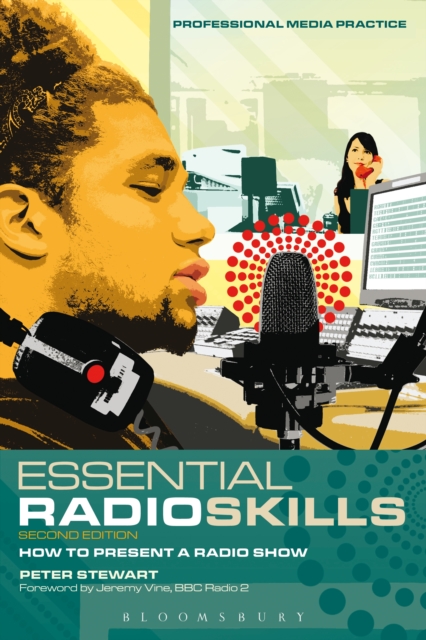
Essential Radio Skills
This is a practical, how-to guide to producing and presenting radio to a professional standard. Packed with practical advice, and on-the-job tips, it distills tried and tested knowledge from a specialist radio trainer.
eBook

The Calling Card Script
Used a toolbox to aid the craftsman, The Writer's Toolkit shows how to write the `calling card' script that expresses your voice, gets you noticed, and is ultimately produced. Written by the Development Manager of the BBC's writersoom, this is a professional and practical guide to writing for screen, stage and radio.
eBook
How to get a job doing voice-overs
Everyone tells you that you have a great voice. Here's how you can parlay that gift into a career.
Streaming Video

Will Rogers's Radio: Race and Technology in the Cherokee Nation
While radio personality Will Rogers's pioneering role in radio is obvious (he worked in the medium during its earliest years), its connections to Cherokee and other tribal technologies have been neglected. This failure to recognize Rogers's part in this particular strain of Cherokee history is a symptom of a larger cultural illness in the United States that assumes Native peoples exist outside the confines of industrial progress. This article analyzes Rogers's contributions to this increasingly important medium and the ways his technological artistry was shaped by his connection to Cherokee history. First, the author considers the content of the radio shows and the sound of his voice as they relate to Rogers's conceptions of himself as a Cherokee celebrity navigating a starkly racialized American medium. What makes his radio shows distinct from other artistic tools Rogers employed (journalism, film, and stage performance) is their sheer spontaneity. Though his work in other media seemed off-the-cuff, it was in fact edited by moral codes curtailing performers' content. This \"radio-free Rogers\" covertly questioned assumptions regarding Native peoples' relationship to technology and traditionally accepted tales of American history. Perhaps because these shows were recorded live and aired uncensored, Rogers met occasional serious criticism--especially from the African American community--for his shows' content. The second part of this article examines these moments of rupture, for they not only complicate Rogers's romanticized persona but also reveal complex historical connections to his familial past. By considering the convergent effects of Cherokee and American slave systems as seen through Rogers's on-air performances, the author hopes to further elucidate some of the reasons the Cherokee-slavery issue has received such intense public scrutiny over the past few years. Finally, this article proposes that Rogers's role in early radio furthers scholars' understandings of radio use in Indian Country at large. Tribal benefits and interpretations of Western technologies are reflected in both modern tribal radio usage and Rogers's commentary on technology on the air. (Contains 4 figures and 90 notes.
Journal Article


