
Catalogue Search | MBRL


Are you sure you want to remove the book from the shelf?

{{itemTitle}}
192,142
result(s) for
"Replacement"
Sort by:


Two-Year Evaluation of Mandatory Bundled Payments for Joint Replacement
In 2016, Medicare started mandatory bundled payment for joint-replacement surgery in randomly selected areas. Hospitals receive bonuses or pay penalties based on spending through 90 days after discharge. In the first 2 years, there was a slight reduction in spending.
Journal Article
Trial of Vancomycin and Cefazolin as Surgical Prophylaxis in Arthroplasty
In this double-blind, randomized trial, vancomycin was added to cefazolin as surgical prophylaxis for arthroplasty. Surgical-site infections occurred in 4.5% of vancomycin recipients and 3.5% of placebo recipients.
Journal Article

Enhanced recovery after surgery (ERAS) pathway for primary hip and knee arthroplasty: study protocol for a randomized controlled trial
Background
With the substantially growing trend of the aging populations in China and the rest of the world, the number of total hip and total knee arthroplasty (THA and TKA) cases are increasing dramatically. It is important to develop practical strategies to improve the quality of healthcare and better outcome for patients undergoing THA and TKA. Enhanced recovery after surgery (ERAS) pathways have been reported to promote earlier recovery and be beneficial for patients. We propose the hypothesis that the ERAS pathway could reduce the length of stay (LOS) in hospital for patients undergoing primary THA or TKA.
Methods/Design
This trial is a prospective, open-labelled, multi-centered, randomized controlled trial that will test the superiority of the ERAS pathway in term of LOS in hospital for the patients undergoing primary THA or TKA compared to current non-ERAS clinical practice. A total of 640 patients undergoing primary THA or TKA will be randomly allocated to either ERAS pathway (ERAS group) or conventional care according to individual participating center (non-ERAS group). The primary outcome is the total LOS in hospital; the secondary outcomes include postoperative LOS, all-cause mortality by 30 days after operation, in-hospital complications, early mobilization, postoperative pain control, total in-hospital cost, and readmission rate by 30 days after discharge from the hospital.
Discussion
This trial is designed to evaluate the superiority of the ERAS pathway to conventional non-ERAS clinical practice in reducing the LOS. The results may provide new insight into the clinical applications of the ERAS pathway for THA and TKA.
Trial registration
National Institutes of Health Clinical Trials Registry,
NCT03517098
. Registered on 4 May 2018.
Journal Article
Transcatheter or Surgical Treatment of Aortic-Valve Stenosis
A randomized trial that enrolled patients with severe aortic stenosis at low or intermediate surgical risk showed that transcatheter aortic-valve implantation was noninferior to surgical aortic-valve replacement at 1 year.
Journal Article

Safety and efficacy of a self-expanding versus a balloon-expandable bioprosthesis for transcatheter aortic valve replacement in patients with symptomatic severe aortic stenosis: a randomised non-inferiority trial
Transcatheter aortic valve replacement (TAVR) is the preferred treatment option for older patients with symptomatic severe aortic stenosis. Differences in the properties of available TAVR systems can affect clinical outcomes. Among patients undergoing TAVR, we compared the self-expanding ACURATE neo TAVR system with the balloon-expandable SAPIEN 3 TAVR system with regard to early safety and efficacy.
In this randomised non-inferiority trial, patients (aged ≥75 years) undergoing transfemoral TAVR for treatment of symptomatic severe aortic stenosis, and who were deemed to be at increased surgical risk, were recruited at 20 tertiary heart valve centres in Germany, the Netherlands, Switzerland, and the UK. Participants were randomly assigned (1:1) to receive treatment with the ACURATE neo or the SAPIEN 3 with a computer-based randomly permuted block scheme, stratified by study centre and Society of Thoracic Surgeons Predicted Risk of Mortality (STS-PROM) category. The primary composite safety and efficacy endpoint comprised all-cause death, any stroke, life-threatening or disabling bleeding, major vascular complications, coronary artery obstruction requiring intervention, acute kidney injury (stage 2 or 3), rehospitalisation for valve-related symptoms or congestive heart failure, valve-related dysfunction requiring repeat procedure, moderate or severe prosthetic valve regurgitation, or prosthetic valve stenosis within 30 days of the procedure. Endpoint assessors were masked to treatment allocation. Non-inferiority of ACURATE neo compared with SAPIEN 3 was assessed in the intention-to-treat population on the basis of a risk-difference margin of 7·7% for the primary composite endpoint, with a one-sided α of 0·05. This trial is registered with ClinicalTrials.gov (number NCT03011346) and is ongoing but not recruiting.
Between Feb 8, 2017, and Feb 2, 2019, up to 5132 patients were screened and 739 (mean age 82·8 years [SD 4·1]; median STS-PROM score 3·5% [IQR 2·6–5·0]) were enrolled. 30-day follow-up was available for 367 (99%) of 372 patients allocated to the ACURATE neo group, and 364 (99%) of 367 allocated to the SAPIEN 3 group. Within 30 days, the primary endpoint occurred in 87 (24%) patients in the ACURATE neo and in 60 (16%) in the SAPIEN 3 group; thus, non-inferiority of the ACURATE neo was not met (absolute risk difference 7·1% [upper 95% confidence limit 12·0%], p=0·42). Secondary analysis of the primary endpoint suggested superiority of the SAPIEN 3 device over the ACURATE neo device (95% CI for risk difference −1·3 to −12·9, p=0·0156). The ACURATE neo and SAPIEN 3 groups did not differ in incidence of all-cause death (nine patients [2%] vs three [1%]) and stroke (seven [2%] vs 11 [3%]); whereas acute kidney injury (11 [3%] vs three [1%]) and moderate or severe prosthetic aortic regurgitation (34 [9%] vs ten [3%]) were more common in the ACURATE neo group.
TAVR with the self-expanding ACURATE neo did not meet non-inferiority compared to the balloon-expandable SAPIEN 3 device in terms of early safety and clinical efficacy outcomes. An early composite safety and efficacy endpoint was useful in discriminating the performance of different TAVR systems.
Boston Scientific (USA).
Journal Article
ACURATE neo2 valve versus commercially available transcatheter heart valves in patients with severe aortic stenosis (ACURATE IDE): a multicentre, randomised, controlled, non-inferiority trial
ACURATE neo2 is an open-cell, supra-annular, self-expanding transcatheter heart valve that is commercially available in over 50 countries but has not previously been evaluated in a randomised trial. ACURATE-IDE aimed to prospectively evaluate the safety and efficacy of transcatheter aortic valve replacement (TAVR) with the ACURATE neo2 valve compared with commercially available valves for the treatment of severe symptomatic aortic stenosis.
In this multicentre, randomised, controlled, non-inferiority trial, patients with symptomatic severe aortic stenosis and any level of surgical risk were recruited from 71 medical centres in the USA and Canada. Eligible patients were randomly assigned (1:1) to TAVR with ACURATE neo2 or one of the control valves, SAPIEN 3 (SAPIEN 3 or SAPIEN 3 Ultra) or Evolut, using permuted block randomisation with a pseudo-random number generator, and stratified by the clinical investigation site and type of control valve. All devices were implanted according to the manufacturer's instructions. The primary endpoint was a composite of all-cause mortality, all stroke, and rehospitalisation at 1 year, tested for non-inferiority using a Bayesian approach. The primary analysis was performed in the intention-to-treat population and sensitivity analyses were done in the implanted population. The non-inferiority margin was 8·0%. This study is registered with ClinicalTrials.gov, NCT03735667, and is ongoing.
Between June 10, 2019, and April 19, 2023, 1500 patients were recruited, of whom 752 were randomly assigned to the ACURATE neo2 group and 748 to the control group. The median age of participants was 79 years (IQR 74–83). 778 (51·9%) of 1500 patients were female and 721 (48·1%) were male. At 1 year, the posterior median probability of the primary composite endpoint was higher in the ACURATE neo2 group (16·2% [95% Bayesian credible interval 13·4–19·1) than in the control group (9·5% [7·5–11·9]; between-group difference 6·6% [3·0–10·2]). The upper bound of treatment difference exceeded the prespecified non-inferiority margin of 8%, with a posterior probability of treatment difference of >0·999. At 1 year, the ACURATE neo2 group, had significantly higher Kaplan–Meier rates of the composite endpoint of all-cause mortality, all stroke, and rehospitalisation (14·8% [95% CI 12·5–17·6] vs 9·1% [7·2–11·4]; hazard ratio [HR] 1·71 [95% CI 1·26–2·33]; p=0·0005). At 1 year, all-cause mortality occurred in 36 of 752 patients in the ACURATE neo2 group versus 28 of 748 patients in the control group (HR 1·30 [95% CI 0·80–2·14]), stroke in 41 patients versus 25 patients (1·68 [1·02–2·75]), and rehospitalisation in 38 patients versus 25 patients (1·57 [0·95–2·61]). Cardiovascular mortality (3·7% vs 1·8%, p=0·024) and spontaneous myocardial infarction at 1 year (2·4% vs 0·7%, p=0·0092) were more frequent in the ACURATE neo2 group than in the control group. Prosthetic valve aortic regurgitation (central plus paravalvular) at 1 year was significantly more frequent in the ACURATE neo2 group than in the control group (mild aortic regurgitation 42·5% vs 24·8%, p<0·0001; moderate 4·4% vs 1·8%, p=0·0070; severe 0·5% vs 0%; p=0·12).
In patients with symptomatic severe aortic stenosis, TAVR with ACURATE neo2 did not meet non-inferiority and resulted in significantly worse outcomes with respect to the primary endpoint of composite of all-cause mortality, all stroke, and rehospitalisation at 1 year when compared with commercial valves.
Boston Scientific.
Journal Article
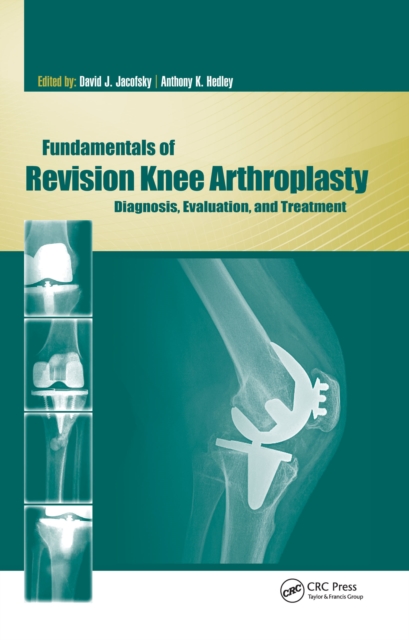
Fundamentals of Revision Knee Arthroplasty
Fundamentals of Revision Knee Arthroplasty: Diagnosis, Evaluation, and Treatment
is a unique and very timely book designed for surgeons who are beginning to more commonly encounter knee revisions in their practice.
Unlike many traditional books on revision,
Fundamentals of Revision Knee Arthroplasty
does not focus on the most difficult and challenging of cases. Rather,
Fundamentals of Revision Knee Arthroplasty
is intended to guide the surgeon in the evaluation of the failed or painful total joint replacement, review basic tenants and surgical principles of revision arthroplasty, and guide the surgeon in determining whether a given case is one that should be managed or is best referred to a tertiary orthopedic center.
Along with their 32 contributors, Dr. David J. Jacofsky and Dr. Anthony K. Hedley provide detailed information inside
Fundamentals of Revision Knee Arthroplasty
, including appropriate preoperative evaluation, equipment requirements, surgical planning, need for augments and allograft, and surgical techniques.
Surgeons will be tackling knee revision surgery more frequently as the number of these cases is exponentially increasing.
Fundamentals of Revision Knee Arthroplasty
provides a \"go-to\" resource to turn to for guidance by community arthroplasty surgeons, arthroplasty fellows, and residents.
eBook
Transcatheter Aortic-Valve Replacement for Asymptomatic Severe Aortic Stenosis
Among patients with asymptomatic severe aortic stenosis, early TAVR was superior to clinical surveillance in reducing the incidence of death, stroke, or unplanned hospitalization for cardiovascular causes.
Journal Article

Comparative Epidemiology of Revision Arthroplasty: Failed THA Poses Greater Clinical and Economic Burdens Than Failed TKA
Background
Revision THA and TKA are growing and important clinical and economic challenges. Healthcare systems tend to combine revision joint replacement procedures into a single service line, and differences between revision THA and revision TKA remain incompletely characterized. These differences carry implications for guiding care and resource allocation. We therefore evaluated epidemiologic trends associated with revision THAs and TKAs.
Questions/purposes
We sought to determine differences in (1) the number of patients undergoing revision TKA and THA and respective demographic trends; (2) differences in the indications for and types of revision TKA and THA; (3) differences in patient severity of illness scoring between THA and TKA; and (4) differences in resource utilization (including cost and length of stay [LOS]) between revision THA and TKA.
Methods
The Nationwide Inpatient Sample (NIS) was used to evaluate 235,857 revision THAs and 301,718 revision TKAs between October 1, 2005 and December 31, 2010. Patient characteristics, procedure information, and resource utilization were compared across revision THAs and TKAs. A revision burden (ratio of number of revisions to total number of revision and primary surgeries) was calculated for hip and knee procedures. Severity of illness scoring and cost calculations were derived from the NIS. As our study was principally descriptive, statistical analyses generally were not performed; however, owing to the large sample size available to us through this NIS analysis, even small observed differences presented are likely to be highly statistically significant.
Results
Revision TKAs increased by 39% (revision burden, 9.1%–9.6%) and THAs increased by 23% (revision burden, 15.4%–14.6%). Revision THAs were performed more often in older patients compared with revision TKAs. Periprosthetic joint infection (25%) and mechanical loosening (19%) were the most common reasons for revision TKA compared with dislocation (22%) and mechanical loosening (20%) for revision THA. Full (all-component) revision was more common in revision THAs (43%) than in TKAs (37%). Patients who underwent revision THA generally were sicker (> 50% major severity of illness score) than patients who underwent revision TKA (65% moderate severity of illness score). Mean LOS was longer for revision THAs than for TKAs. Mean hospitalization costs were slightly higher for revision THA (USD 24,697 +/− USD 40,489 [SD]) than revision TKA (USD 23,130 +/− USD 36,643 [SD]). Periprosthetic joint infection and periprosthetic fracture were associated with the greatest LOS and costs for revision THAs and TKAs.
Conclusions
These data could prove important for healthcare systems to appropriately allocate resources to hip and knee procedures: the revision burden for THA is 52% greater than for TKA, but revision TKAs are increasing at a faster rate. Likewise, the treating clinician should understand that while both revision THAs and TKAs bear significant clinical and economic costs, patients undergoing revision THA tend to be older, sicker, and have greater costs of care.
Journal Article