
Catalogue Search | MBRL


Are you sure you want to remove the book from the shelf?

{{itemTitle}}
3,346
result(s) for
"Rice History."
Sort by:

Rice : global networks and new histories
\"Global Networks and New Histories Rice today is food to half the world's population. Its history is inextricably entangled with the emergence of colonialism, the global networks of industrial capitalism, and the modern world economy. The history of rice is currently a vital and innovative field of research attracting serious attention, but no attempt has yet been made to write a history of rice and its place in the rise of capitalism from a global and comparative perspective. Rice is a first step toward such a history. The fifteen chapters, written by specialists on Africa, the Americas, and several regions of Asia, are premised on the utility of a truly international approach to history. Each one brings a new approach that unsettles prevailing narratives and suggests new connections. Together they cast new light on the significant roles of rice as crop, food, and commodity and shape historical trajectories and interregional linkages in Africa, the Americas, Europe, and Asia\"-- Provided by publisher.
Book

Deep roots : rice farmers in West Africa and the African diaspora
Mangrove rice farming on West Africa's Rice Coast was the mirror image of
tidewater rice plantations worked by enslaved Africans in 18th-century South
Carolina and Georgia. This book reconstructs the development of rice-growing
technology among the Baga and Nalu of coastal Guinea, beginning more than a
millennium before the transatlantic slave trade. It reveals a picture of dynamic
pre-colonial coastal societies, quite unlike the static, homogenous pre-modern
Africa of previous scholarship. From its examination of inheritance, innovation, and
borrowing, Deep Roots fashions a theory of cultural change that encompasses the
diversity of communities, cultures, and forms of expression in Africa and the
African diaspora.
eBook



Lowcountry time and tide
In mapping the slow decline of the rice kingdom across the half-century following the Civil War, James H. Tuten offers a provocative new vision of the forces—agricultural, environmental, economic, cultural, and climatic—stacked against planters, laborers, and millers struggling to perpetuate their once-lucrative industry through the challenging postbellum years and into the hardscrabble twentieth century. Concentrating his study on the vast rice plantations of the Heyward, Middleton, and Elliott families of South Carolina, Tuten narrates the ways in which rice producers—both the former grandees of the antebellum period and their newly freed slaves—sought to revive rice production. Both groups had much invested in the economic recovery of rice culture during Reconstruction and the beginning decades of the twentieth century. Despite all disadvantages, rice planting retained a perceived cultural mystique that led many to struggle with its farming long after the profits withered away. Planters tried a host of innovations, including labor contracts with former slaves, experiments in mechanization, consolidation of rice fields, and marketing cooperatives in their efforts to rekindle profits, but these attempts were thwarted by the insurmountable challenges of the postwar economy and a series of hurricanes that destroyed crops and the infrastructure necessary to sustain planting. Taken together, these obstacles ultimately sounded the death knell for the rice kingdom. The study opens with an overview of the history of rice culture in South Carolina through the Reconstruction era and then focuses on the industry's manifestations and decline from 1877 to 1930. Tuten offers a close study of changes in agricultural techniques and tools during the period and demonstrates how adaptive and progressive rice planters became despite their conservative reputations. He also explores the cultural history of rice both as a foodway and a symbol of wealth in the lowcountry, used on currency and bedposts. Tuten concludes with a thorough treatment of the lasting legacy of rice culture, especially in terms of the environment, the continuation of rice foodways and iconography, and the role of rice and rice plantations in the modern tourism industry.
eBook

The making of an Indian Ocean world-economy, 1250-1650 : princes, paddy fields, bazaars
\"To counter Eurocentric notions of long-term historical change, this book draws upon the histories of societies based on wet-rice cultivation to chart an alternate pattern of social evolution and state formation; traces inter-state linkages and the growth of commercialization without capitalism; 'industrious revolution' in India, China, Japan, Southeast Asia\"-- Provided by publisher.
Book
Gourmets in the land of famine
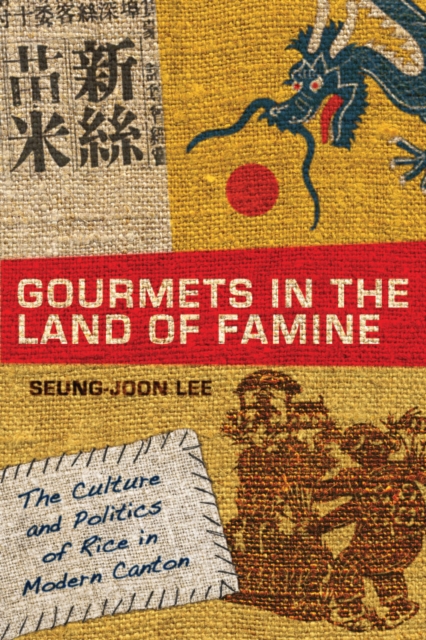
A study of the politics of rice in Canton, this book sheds new light on the local history of the city and illuminates how China's struggles with food shortages in the early twentieth century unfolded and the ways in which they were affected by the rise of nationalism and the fluctuation of global commerce.
Author Seung-joon Lee profiles Canton as an exemplary site of provisioning, a critical gateway for foreign rice importation and distribution through the Pearl River Delta, which found its prized import, and thus its food security, threatened by the rise of Chinese nationalism. Lee argues that the modern Chinese state's attempts to promote domestically-produced \"national rice\" and to tax rice imported through the transnational trade networks were doomed to failure, as a focus on rice production ignored the influential factor of rice quality. Indeed, China's domestic rice promotion program resulted in an unprecedented famine in Canton in 1936. This book contends that the ways in which the Guomindang government dealt with the issue of food security, and rice in particular, is best understood in the context of its preoccupation with science, technology, and progressivism, a departure from the conventional explanations that cite governmental incompetence.
eBook

Black rice : the African origins of rice cultivation in the Americas
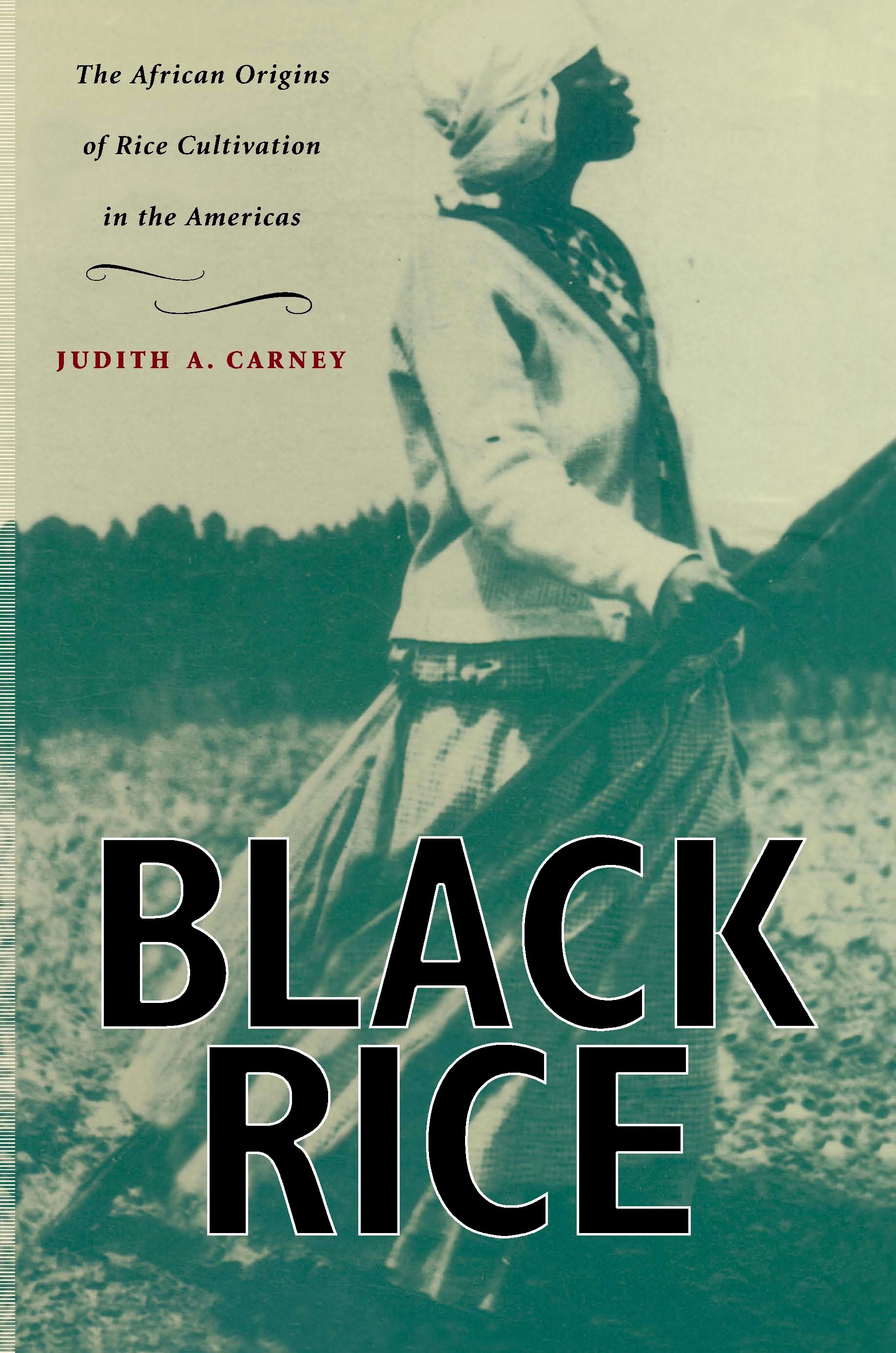
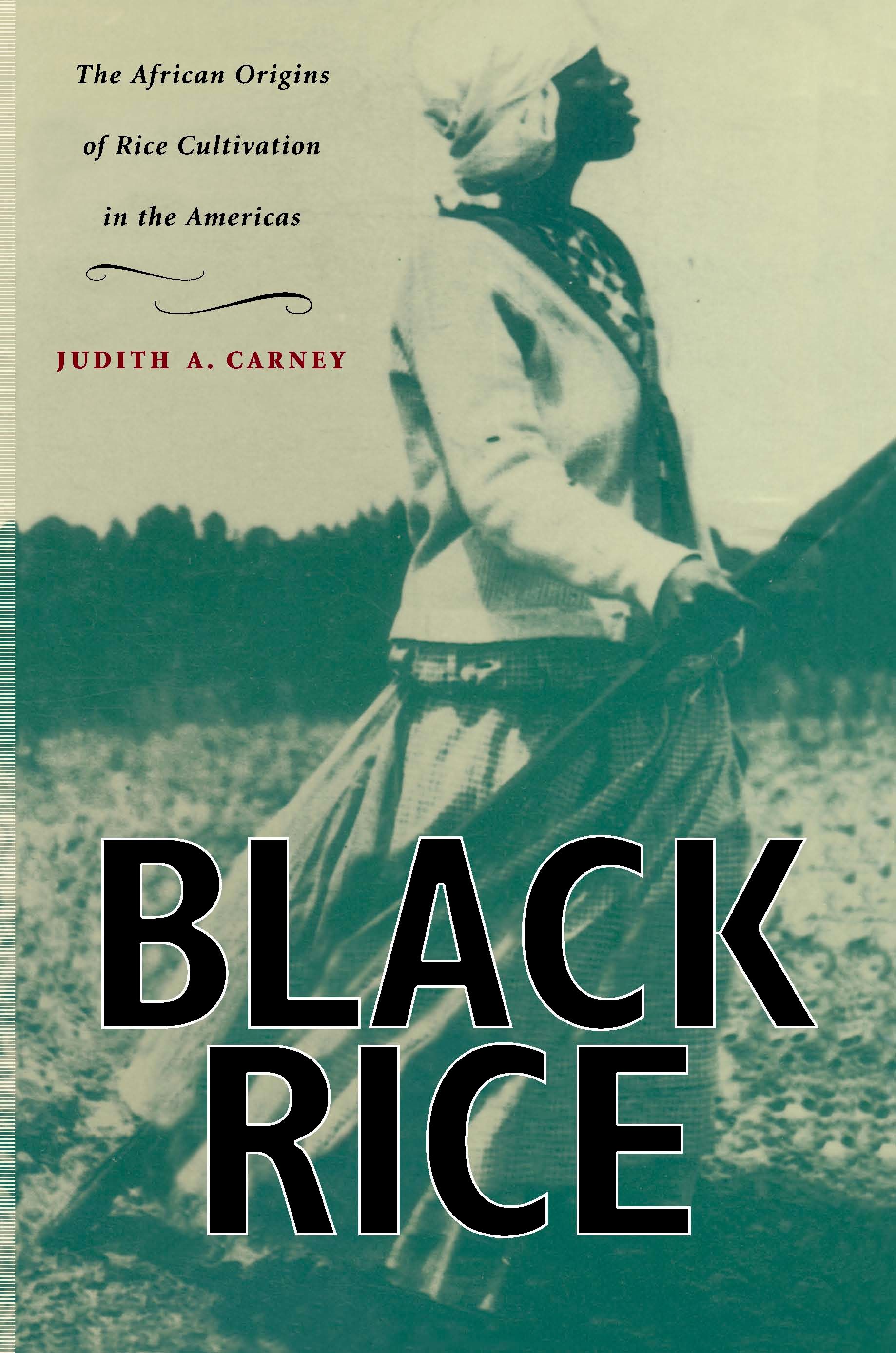
Rice was a major plantation crop during the first 300 years of settlement in the Americas. It accompanied slaves across the Middle Passage throughout the New World to Brazil, the Caribbean, and the southern U.S. Carney reveals how racism has shaped our historical memory and neglected this critical African contribution to the making of the Americas.
eBook