
Catalogue Search | MBRL


Are you sure you want to remove the book from the shelf?

{{itemTitle}}
1,472
result(s) for
"Rimbaud, Arthur, 1854-1891"
Sort by:


Rimbaud's impressionist poetics
In the mid-nineteenth century, Arthur Rimbaud, the volatile genius of French poetry, invented a language that captured the energy and visual complexity of the modern world. This book explores some of the technical aspects of this language in relation to the new techniques brought forth by the Impressionist painters such as Monet, Morisot, and Pissarro.
eBook
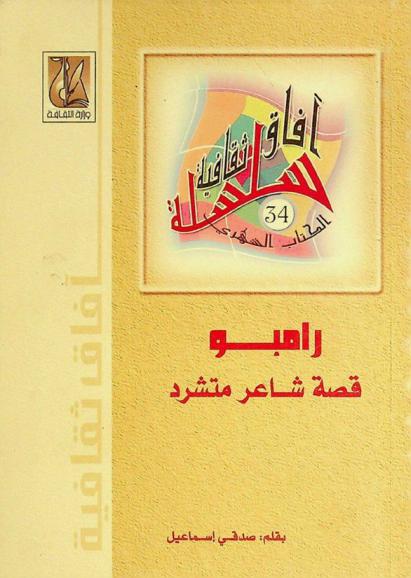
رامبو : قصة شاعر متشرد
هو كتاب بقلم صدقي إسماعيل، يتناول حياة الشاعر الفرنسي آرثر رامبو، الذي يعتبر أحد أبرز الشعراء في تاريخ الأدب الحديث. الكتاب يقدم سردا لقصته الشخصية والأدبية، مركزا على جوانب مختلفة من حياته وتأثيره في الشعر، يستعرض الكتاب تفاصيل حياة رامبو من طفولته في أرتوا الفرنسية، وكيف شكلت تجاربه المبكرة خلفيته الأدبية، يسلط الضوء على فترة إبداعه المدهشة والمثيرة، والتي كانت قصيرة لكنها مؤثرة بشكل كبير، يناقش الكتاب الأساليب الشعرية التي استخدمها رامبو، بما في ذلك استخدام الرمزية والتجريب في اللغة، يتناول الكتاب أبرز أعمال رامبو مثل \"الأدب الميت\" و\"العيون الصفراء\" و\"الذي يعيش\"، موضحا تأثيرها في الأدب الحديث.
Book

Leaving Parnassus : the lyric subject in Verlaine and Rimbaud
Leaving Parnassus: The Lyric Subject in Verlaine and Rimbaud considers how the crisis of the lyric subject in the middle of the nineteenth century in France is a direct response to the aesthetic principles of Parnassian poetry, which dominated the second half of the century much more than critics often think. The poets considered here rebel against the strict confines of traditional and contemporary poetry and attempt to create radically new discursive practices. Specifically, the close readings of poems apply recent studies of subjectivity in poetry and focus on the works of Paul Verlaine and Arthur Rimbaud to see how each subverts the dominant tradition of French poetry in a unique way. Whereas previous studies considered isolated aspects of each poet's lyric subject, Leaving Parnassus shows that the situation of the lyric is a source of subversion throughout the poets' entire work, and as such it is crucial to our full understanding of their respective innovations.
eBook

Arthur Rimbaud
\"Before he had turned twenty one, Arthur Rimbaud (1854-1891) had upended the house of French poetry and left it in shambles. What makes Rimbaud's poetry important, argues Seth Whidden, is part of what makes his life so compelling: rebellion, audacity, creativity, and exploration. Written for general readers and students of literature alike, Arthur Rimbaud presents the original damed poet who continues to captivate readers, artists and writers all over the world.\"-- Provided by publisher.
Book

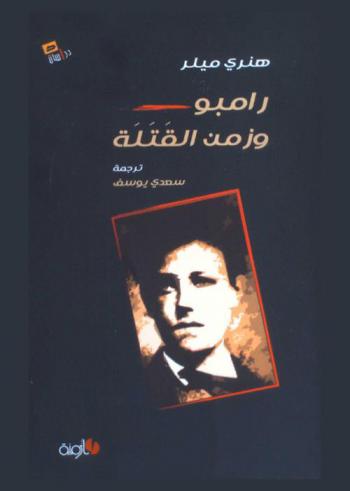
رامبوا وزمن القتلة
في دراسة هنري ميللر الشاعر الفرنسي (آرثور رامبو\" (1854-1891) تذوب الحدود بين دراسة الأدب والتأويل الإبداعي للتاريخ واللحظة الحضارية والسيرة الذاتية بوصفها نصا في حالة صيرورة لا يمكن اكتمالها أبدا. قلق النفوس الميتة ذاك هو ما يتقصى مكامنه الكاتب الأميركي (هنري ميللر) في كتابه (رامبو وزمن القتلة) ميللر بوصف رجل الأجواء المفتوحة، يبحر في سيرة معلمه الشاعر الفرنسي رامبو بحثا عن ماهية الفن : الرؤية، التألق، الشجاعة والإيمان، ليستقطر منها عبق الحرية الصرفة، لقد وصف رامبو في اللغة الرمزية للروح، كل ما يحدث الآن من غياب للنهج الإنساني الحق وذهب (ميللر) إلى التأكيد أن ليس ثمة تنافر بين رؤيا (رامبو) للعالم وللحياة الأبدية ورؤى مجددي الدين العظام، فخلف رؤيا جديدة للسماء والأرض، تبشر بشهوة الحياة، كي لا يغدو الوجود الأرضي مجرد مطهر أو جحيم. من هنا نجد تقاطع كتابة ميللر الإبداعية-النقدية مع سيرة رامبو ونصه والواقع الذي صار تشبيها لرموز الشر التي انفلتت دون كابح الكتابة وتاريخها الخاص، فنستطيع أن نسمع صوت ميللر في تبشيره بالرعب الهائل وتواصل حالة التشرذم أو الانقسام الذاتي التي رصدها منذ نهاية القرن التاسع عشر عند دوستوفسكي ونيتشه وهيدجر وباشلار وغيرهم وعلى طول الكتاب يرصد ميللر حجم الانقسام الداخلي عن رامبو وارتباطه بحالة الانفجار الحضاري باتجاه الشر، ثم يقوم بعملية توحد سري بمستقبل رامبو في الكتابة التي تطمح أن تبعث تمرده من جديد.
BOOK

The Other Orpheus
First published in 2003. This volume aims to re-establish an interest in poetry by integrating questions of prosody and aesthetics with political literary inquiry.The broader theoretical goal is nothing less than a rehabilitation of the concepts of affect and imagination, though the study also argues against anti-formalist approaches to.
eBook
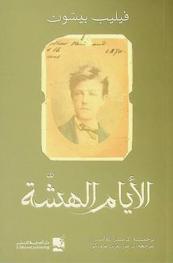
الأيام الهشة : الأيام الأخيرة في حياة آرتور رامبو
رامبو.. آرتور.. العالم كله يعرف رامبو الشاعر المعجزة رامبو \"فصل في الجحيم\" لكنه لا يعرف آرتور كما لو أنه وهو يبحر نحو الجنوب، وينوس بين الحبشة الأفريقية وعدن العربية قد هجر رامبو كي ينقذ آرتور لكن المرض سيرغمه على العودة للعلاج في بلده الأم فرنسا كي يعيش ثانية خلاصة الجحيمفي \"الايام الهشة\" التي أراد فبليب بيسون أن يرويها لكل من عرف رامبو ولم يعرف آرتور وذلك بفضل إيزابيل شقيقته التي استحالت أمه حين أدركت حجم الجحيم التي أرهقت أخاها فعلا لا شعرا لولا آرتور لما كان رامبو لولا \"الأيام الهشة\" لما كان \"فصل في الجحيم\"
Book

\Jouet de cet œil d'eau morne …\: Rimbaud's \Mémoire\
To paraphrase Jim's judgement of Paul Claudel's fascination with the Orient: \"The French poetry that Lawler came to know was not a passing fancy.\" Apollinaire, Valery, Rimbaud, Baudelaire, Mallarme, Claudel, Bonnefoy: all these poets came under his close and impassioned scrutiny. Not for him readings that lock a poem into a certain code, Freudian or Jungian, Marxist or structuralist. Brushing these impatiently away, he shows that his was a mind that revelled in complexity, that was not afraid of the open-ended interpretation, that insisted on accounting for all elements of a text, from the diction through its contradictions, from the spoken to the suggested, from a joyous acceptance of free association to a rigorous determination to respond to both poetic chaos and poetic control with the same calm and lucid intelligence. The argument that poetry that merely toys with language, rendering itself playfully or antagonistically unreadable, is for him, at least in the case of Rimbaud, anathema, a betrayal of the poet's determination to represent the truth of experience and emotion.
Journal Article