
Catalogue Search | MBRL


Are you sure you want to remove the book from the shelf?

{{itemTitle}}
423
result(s) for
"Samurai -- History"
Sort by:

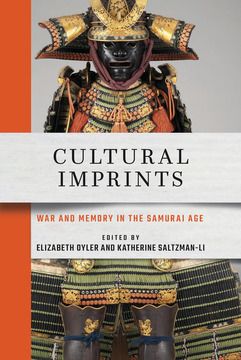
Cultural Imprints
Cultural Imprints draws on
literary works, artifacts, performing arts, and documents that were
created by or about the samurai to examine individual \"imprints,\"
traces holding specifically grounded historical meanings that
persist through time. The contributors to this
interdisciplinary volume assess those imprints for what they can
suggest about how thinkers, writers, artists, performers, and
samurai themselves viewed warfare and its lingering impact at
various points during the \"samurai age,\" the long period from the
establishment of the first shogunate in the twelfth century through
the fall of the Tokugawa in 1868.
The range of methodologies and materials discussed in
Cultural Imprints challenges a uniform notion of warrior
activity and sensibilities, breaking down an ahistorical,
monolithic image of the samurai that developed late in the samurai
age and that persists today. Highlighting the memory of warfare and
its centrality in the cultural realm, Cultural Imprints
demonstrates the warrior's far-reaching, enduring, and varied
cultural influence across centuries of Japanese history.
Contributors: Monica Bethe, William Fleming, Andrew Goble,
Thomas Hare, Luke Roberts, Marimi Tateno, Alison Tokita, Elizabeth
Oyler, Katherine Saltzman-Li
eBook

Samurai, Warfare and the State in Early Medieval Japan
Karl Friday, an internationally recognised authority on Japanese warriors, provides the first comprehensive study of the topic to be published in English. This work incorporates nearly twenty years of on-going research and draws on both new readings of primary sources and the most recent secondary scholarship.
It overturns many of the stereotypes that have dominated views of the period. Friday analyzes Heian -, Kamakura- and Nambokucho-period warfare from five thematic angles. He examines the principles that justified armed conflict, the mechanisms used to raise and deploy armed forces, the weapons available to early medieval warriors, the means by which they obtained them, and the techniques and customs of battle.A thorough, accessible and informative review, this study highlights the complex casual relationships among the structures and sources of early medieval political power, technology, and the conduct of war.
eBook


Samurai to Soldier
In Samurai to Soldier , D. Colin Jaundrill rewrites the
military history of nineteenth-century Japan. In fifty years
spanning the collapse of the Tokugawa shogunate and the rise of the
Meiji nation-state, conscripts supplanted warriors as Japan's
principal arms-bearers. The most common version of this story
suggests that the Meiji institution of compulsory military service
was the foundation of Japan's efforts to save itself from the
imperial ambitions of the West and set the country on the path to
great power status. Jaundrill argues, to the contrary, that the
conscript army of the Meiji period was the culmination-and not the
beginning-of a long process of experimentation with military
organization and technology.
Jaundrill traces the radical changes to Japanese military
institutions, as well as the on-field consequences of military
reforms in his accounts of the Boshin War (1868-1869) and the
Satsuma Rebellions of 1877. He shows how pre-1868 developments laid
the foundations for the army that would secure Japan's Asian
empire.
eBook

Ninjas and samurai : a nonfiction companion to Magic tree house #5 : Night of the ninjas
\"What did it mean to be a ninja or a samurai? Did they really have special abilities? What was life like for them in ancient Japan? Find out the answers to these questions and more as Jack and Annie track the facts behind some of history's most intriguing and secretive figures\"--Amazon.com.
BOOK
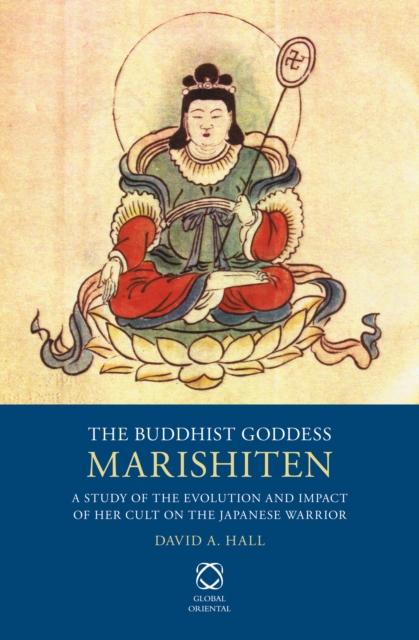
The Buddhist Goddess Marishiten
In The Buddhist Goddess Marishiten, David A. Hall provides an in-depth exploration of the Buddhist cult of the warrior goddess Mārīcī, its evolution, and its efficacy and psychological impact on the Japanese warrior.
eBook

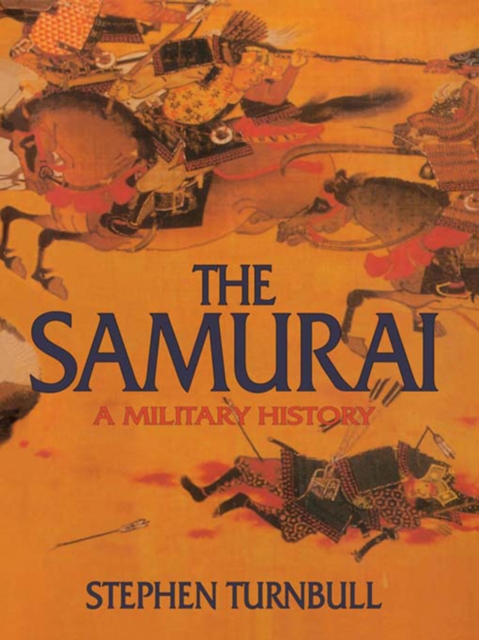
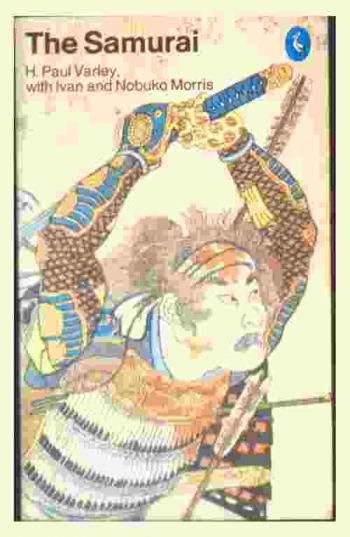
The Samurai
First published in 1977, The Samurai has long since become a standard work of reference. It continues to be the most authoritative work on samurai life and warfare published outside Japan. Set against the background of Japan's social and political history, the book records the rise and rise of Japan's extraordinary warrior class from earliest times to the culmination of their culture, prowess and skills as manifested in the last great battle they were ever to fight - that of Osaka Castle in 1615.
eBook