
Catalogue Search | MBRL


Are you sure you want to remove the book from the shelf?

{{itemTitle}}
331
result(s) for
"Scots language."
Sort by:

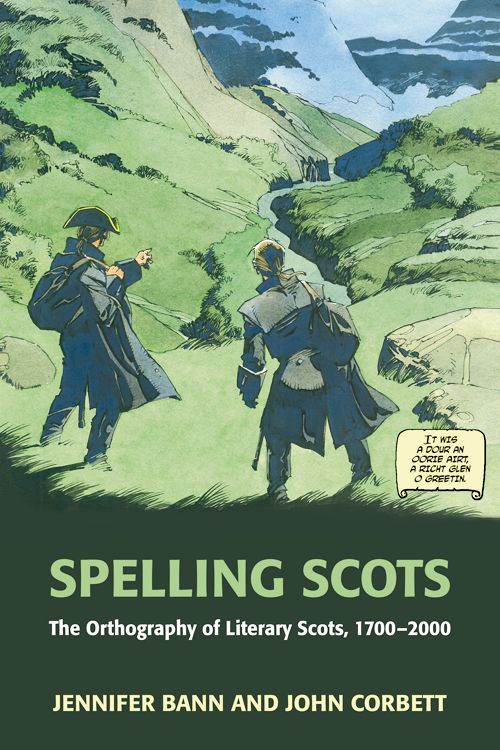
Spelling Scots
Analyses the development of Modern Scots orthography and compares the spelling used in key works of literature
People have been writing in Scots for over 700 years, but the spelling of Scots has never been fixed, with many words, likebuik, buke, book, appearing in a variety of forms. Drawing on the Corpus of Modern Scottish Writing, this volume provides a comprehensive survey of the spelling system of Older and Modern Scots, illustrating how this orthographic system has developed partly in response to historical shifts in pronunciation, and partly as a result of social and political change.
Spelling Scotsacts not only as a wide-ranging reference book to the changing orthography of Scots, but also as an outline of the active interventions in the practices that have guided Scots spelling. The book shows how canonical writers of poetry and fiction in Scots from 1700 to the present day have blended convention and innovation in presenting Scots in literary texts, and it explores the influence of key writers such as Ramsay, Fergusson, Burns, Scott, Hogg and Stevenson. Introducing an innovative method of tracing the use of key spelling variants in a corpus of Scots writing, the book discusses the implication of this method for promoting wider literacy in Scots.
Spelling Scotsshould be a standard reference volume for all institutions where literature in Scots is studied. It draws on the authors' current research project, the Corpus of Modern Scottish Writing.
Key featuresEvidence-based treatment of the material using two main corporaPresents the first full description of Modern Scots spellingExplores the influence of key writers such as Ramsay, Fergusson, Burns, Scott, Hogg and Stevenson on other writers
eBook

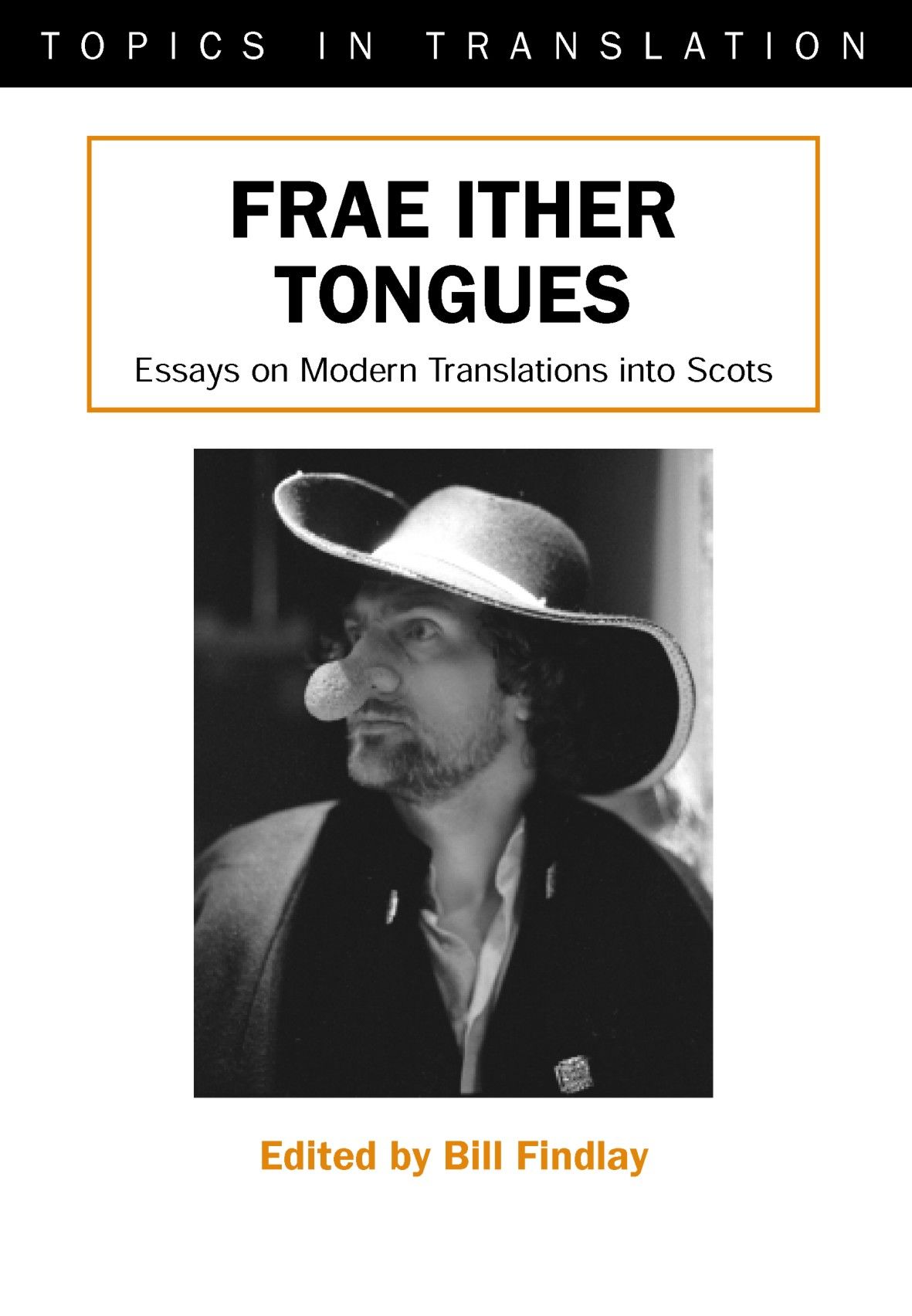
Frae Ither Tongues
Not only has the period of the past seventy years been the
richest for literary translation into Scots since the sixteenth
century, but it can claim to be the richest in terms of the
quantity of work and the range of languages and genres
translated. This collection of essays, by translators and
critics, represents the first extended analysis of the nature
and practice of modern translation into Scots.
eBook

The Edinburgh Companion to Scots
The Edinburgh Companion to Scots is a comprehensive introduction to the study of older and present-day Scots language. The aim of the volume is to explain and illustrate methods of research into Scots and Scottish English. Topics include the grammar, vocabulary and pronunciation of contemporary speech in Scotland, and the investigation of Older Scots written texts. There is further coverage of issues such as modern literary Scots, language planning, placenames and personal names, and the development of Scots overseas. Each chapter gives a brief overview of the topic, and provides case studies to illustrate avenues of exploration for those beginning to develop research techniques. The book is designed as an accessible introduction to key issues and methods of investigation for undergraduate students interested in the way language has developed in Scotland.
eBook


Standards and variation in urban speech : examples from Lowland Scots
Standards and Variation in Urban Speech is an examination and exploration of the aims and methods of sociolinguistic investigation, based on studies of Scottish urban speech. It criticially examines the implications of the notions 'vernacular', 'standard language', 'Received Pronunciation', 'social class', and 'linguistic insecurity'. Through a combination of quantitative and qualitative methods using examples from comedians' jokes, dialect poetry, formal and informal interviews, and personal narratives, the work illustrates the actual norms that speakers exemplify in various ways.
eBook

Language in Scotland
The chapters in this volume take as their focus aspects of three of the languages of Scotland: Scots, Scottish English, and Scottish Gaelic. They present linguistic research which has been made possible by new and developing corpora of these languages: this encompasses work on lexis and lexicogrammar, semantics, pragmatics, orthography, and punctuation. Throughout the volume, the findings of analysis are accompanied by discussion of the methodologies adopted, including issues of corpus design and representativeness, search possibilities, and the complementarity and interoperability of linguistic resources. Together, the chapters present the forefront of the research which is currently being directed towards the linguistics of the languages of Scotland, and point to an exciting future for research driven by ever more refined corpora and related language resources.
eBook

The discursive construction of the Scots language : education, politics and everyday life
This monograph is about how the Scots language is discursively constructed, both from 'above' (through texts such as educational policies, debates in parliament and official websites) and from 'below' (in focus group discussions among Scottish people). It uses the interdisciplinary discourse-historical approach to critical discourse analysis to examine what discursive strategies are used in different texts, and also to investigate salient features of context. This allows a broader discussion of the role of this language in Scotland, and how different ways of constructing a language can percolate through society, appearing in both important, elite texts and discussions among ordinary people. It thus contributes to the body of knowledge about contemporary Scots, but also expands the range of possible applications for critical discourse analysis approaches.
eBook