
Catalogue Search | MBRL


Are you sure you want to remove the book from the shelf?

{{itemTitle}}
15,260
result(s) for
"Scots."
Sort by:

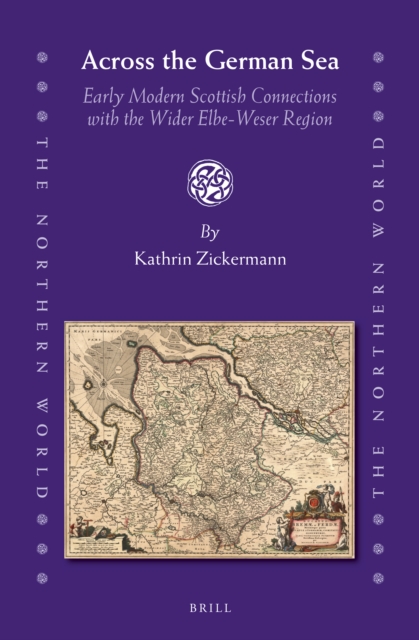
Across the German sea : early modern Scottish connections with the wider Elbe-Weser region
In Across the German Sea: Early Modern Scottish Connections with the Wider Elbe-Weser Region Zickermann analyses the commercial, maritime and military relations between Scotland and cities located alongside the lower parts of the rivers Elbe and Weser.
eBook

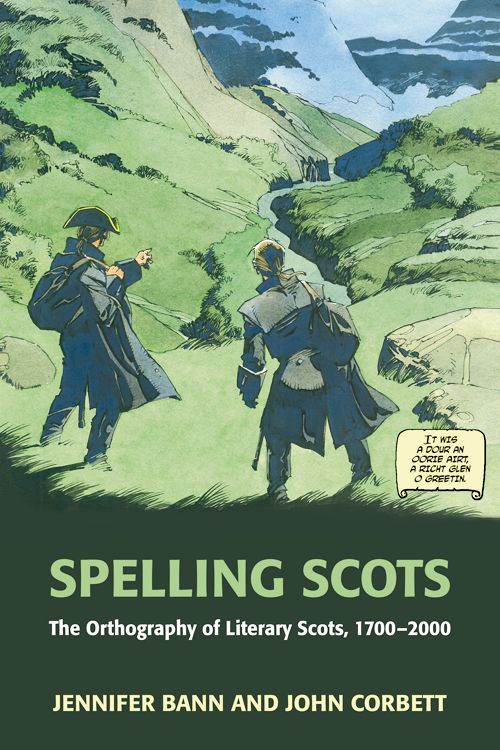
Spelling Scots
Analyses the development of Modern Scots orthography and compares the spelling used in key works of literature
People have been writing in Scots for over 700 years, but the spelling of Scots has never been fixed, with many words, likebuik, buke, book, appearing in a variety of forms. Drawing on the Corpus of Modern Scottish Writing, this volume provides a comprehensive survey of the spelling system of Older and Modern Scots, illustrating how this orthographic system has developed partly in response to historical shifts in pronunciation, and partly as a result of social and political change.
Spelling Scotsacts not only as a wide-ranging reference book to the changing orthography of Scots, but also as an outline of the active interventions in the practices that have guided Scots spelling. The book shows how canonical writers of poetry and fiction in Scots from 1700 to the present day have blended convention and innovation in presenting Scots in literary texts, and it explores the influence of key writers such as Ramsay, Fergusson, Burns, Scott, Hogg and Stevenson. Introducing an innovative method of tracing the use of key spelling variants in a corpus of Scots writing, the book discusses the implication of this method for promoting wider literacy in Scots.
Spelling Scotsshould be a standard reference volume for all institutions where literature in Scots is studied. It draws on the authors' current research project, the Corpus of Modern Scottish Writing.
Key featuresEvidence-based treatment of the material using two main corporaPresents the first full description of Modern Scots spellingExplores the influence of key writers such as Ramsay, Fergusson, Burns, Scott, Hogg and Stevenson on other writers
eBook

Frae Ither Tongues
Not only has the period of the past seventy years been the
richest for literary translation into Scots since the sixteenth
century, but it can claim to be the richest in terms of the
quantity of work and the range of languages and genres
translated. This collection of essays, by translators and
critics, represents the first extended analysis of the nature
and practice of modern translation into Scots.
eBook


Standards and variation in urban speech : examples from Lowland Scots
Standards and Variation in Urban Speech is an examination and exploration of the aims and methods of sociolinguistic investigation, based on studies of Scottish urban speech. It criticially examines the implications of the notions 'vernacular', 'standard language', 'Received Pronunciation', 'social class', and 'linguistic insecurity'. Through a combination of quantitative and qualitative methods using examples from comedians' jokes, dialect poetry, formal and informal interviews, and personal narratives, the work illustrates the actual norms that speakers exemplify in various ways.
eBook

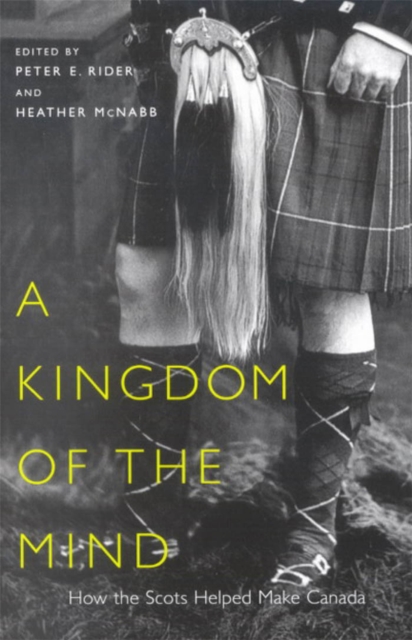
A kingdom of the mind: the Scots' impact on the development of Canada
In A Kingdom of the Mind ethnographers, material culture specialists, and contributors from a wide variety of disciplines explore the impact of the Scots on Canadian life, showing how the Scots' image of their homeland and themselves played an important role in the emerging definition of what it meant to be Canadian.
eBook