
Catalogue Search | MBRL


Are you sure you want to remove the book from the shelf?

{{itemTitle}}
684
result(s) for
"Sculpture Catalogs."
Sort by:


Classical sculpture and the culture of collecting in Britain since 1760
This is a book about classical sculptures in the early modern period, centuries after the decline and fall of Rome, when they began to be excavated, restored, and collected by British visitors in Italy in the second half of the eighteenth century. Viccy Coltman contrasts the precarious and competitive culture of eighteenth-century collecting, which integrated sculpture into the domestic interior back home in Britain, with the study and publication of individual specimens by classical archaeologists like Adolf Michaelis a century later. Her study is comprehensively illustrated with over 100 photographs.
eBook
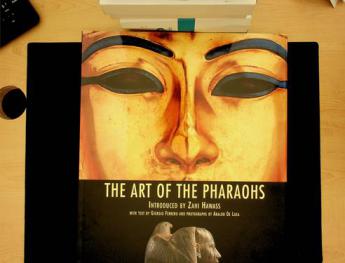
The art of the Pharaohs
This large-format, magnificently illustrated book shows the portraits and monuments that are the artistic masterpiece of antiquity in a new light . It traces the profiles of 34 Kings and queens to present an in-depth picture of the history and art of ancient Egypt and its pharaohs.
BOOK


In praise of the human form : arts of Africa, Oceania and America : Josette and Jean-Claude Weill collection
While the foundations of the Josette and Jean-Claude Weill Collection lie in painting, their passion for seeking out exciting new forms soon led them to embrace the infinite diversity of tribal art. Expanded over the decades under the enthusiastic stewardship of their son Jean-Pierre, the collection now includes over 120 works of the very highest order, covering Africa, Oceania, and the Americas. Several large categories can be discerned, reflecting the Weill family's liking for daring, expressionistic forms: Dogon and Tellem statues combining geometric shapes with textured surfaces, as well as Kongo powerful figures endowed with magic properties. The expressive arts of Nigeria, Cameroon, and Melanesia are also well represented in the collection. Among the more classic works there are pieces that have iconic status - such as the Bena Lulua statue that used to belong to Jacques Kerchache, Edward Robinson's Fang reliquary figure, or the Biwat powerful flute plug from the Lemaire Collection - that testify to the sureness of the Weill's taste and to the shrewd instinct that led them to appreciate this art from another world. An important group of finely carved small ivories makes up one-third of the whole collection.
Book

The learned collector
Inspired by a classical education, wealthy Romans populated the glittering interiors of their villas and homes with marble statuettes of ancestors, emperors, gods, and mythological figures. In The Learned Collector, Lea M. Stirling shows how the literary education received by all aristocrats, pagan and Christian alike, was fundamental in shaping their artistic taste while demonstrating how that taste was considered an important marker of status. Surveying collections across the empire, Stirling examines different ways that sculptural collections expressed not only the wealth but the identity of their aristocratic owners. The majority of statues in late antique homes were heirlooms and antiques. Mythological statuary, which would be interpreted in varying degrees of complexity, favored themes reflecting aristocratic pastimes such as dining and hunting. The Learned Collector investigates the manufacture of these distinctive statuettes in the later fourth century, the reasons for their popularity, and their modes of display in Gaul and the empire. Although the destruction of ancient artwork looms large in the common view of late antiquity, statuary of mythological figures continued to be displayed and manufactured into the early fifth century. Stirling surveys the sculptural decor of late antique villas across the empire to reveal the universal and regional trends in the late antique confluence of literary education, mythological references, aristocratic mores, and classicizing taste. Deftly combining art historical, archaeological, and literary evidence, this book will be important to classicists and art historians alike. Stirling's accessible writing style makes this an important work for scholars, students, and anyone with an interest in Roman statues of this era.
eBook


Ancient marbles in Naples in the eighteenth century : findings, collections, dispersals
In Ancient Marbles in Naples in the Eighteenth Century Eloisa Dodero aims at documenting the history of numerous private collections formed in Naples during the 18th century, with particular concern for the \"Neapolitan marbles\" and the circumstances of their dispersal.
eBook

THE WEIL COLLECTION
Griffiths discusses Learning to See: Renaissance and Baroque Masterworks from the Phoebe Dent Weil and Mark S. Weil Collection by Elizabeth Wyckoff and Judith Walker Mann. The catalog celebrates a gift of prints and sculpture to the Saint Louis Art Museum from two local residents.
Journal Article