
Catalogue Search | MBRL


Are you sure you want to remove the book from the shelf?

{{itemTitle}}
458
result(s) for
"Seals (Numismatics)"
Sort by:

Seals and status : the power of objects
For 7,000 years seals have functioned as signs of authority. This publication deals specifically with aspects of status in the history of seals, exploring this theme across a diverse range of cultural contexts-from the 9th century up to the Early Modern period, and, across the world, looking at Byzantine, European, Islamic and Chinese examples. These objects are united by the significant role they play in social status hierarchies, in the status of institutions, indications of power and finally in notions of relative status among objects themselves. In addition to their chronological and geographical diversity, these studies concentrate on many different phases of seal use. Therefore, together they highlight the importance of studying the full life cycle of seals, from the way in which they were made and used through to their cancellation, loss and sometimes destruction. The volume will look at seals used by all members of society, from kings to fishmongers, and will examine the history of objects, with examples ranging from the medieval matrix with a classical gem showing the Roman Emperor Antoninus Pius to the 17th-century Providence Island matrix from America. This publication complements the British Museum's ongoing programme of the digitisation of the Museum's collection of medieval seal matrices which will widen access to this fascinating body of material.
Book
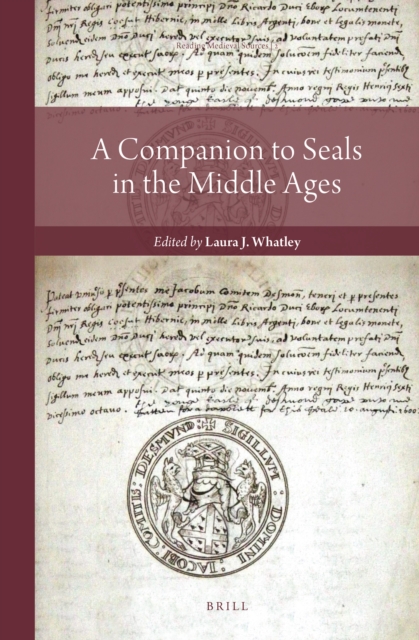
A Companion to Seals in the Middle Ages
A Companion to Seals in the Middle Ages is a cross-disciplinary collection of fourteen essays on medieval sigillography. It is organized thematically, and it emphasizes important, often cutting-edge, methodologies for the study of medieval seals and sealing cultures.
eBook


The Yehud stamp impressions : a corpus of inscribed impressions from the Persian and Hellenistic periods in Judah
No detailed description available for \"The Yehud Stamp Impressions\".
eBook


When Ego Was Imago
The diffusion of personal signs of identity during the twelfth century introduced individuals to mediated forms of communication. The book analyses the conditions for and the implications of their partnering with material signs and images in expressing self and accountability.
eBook

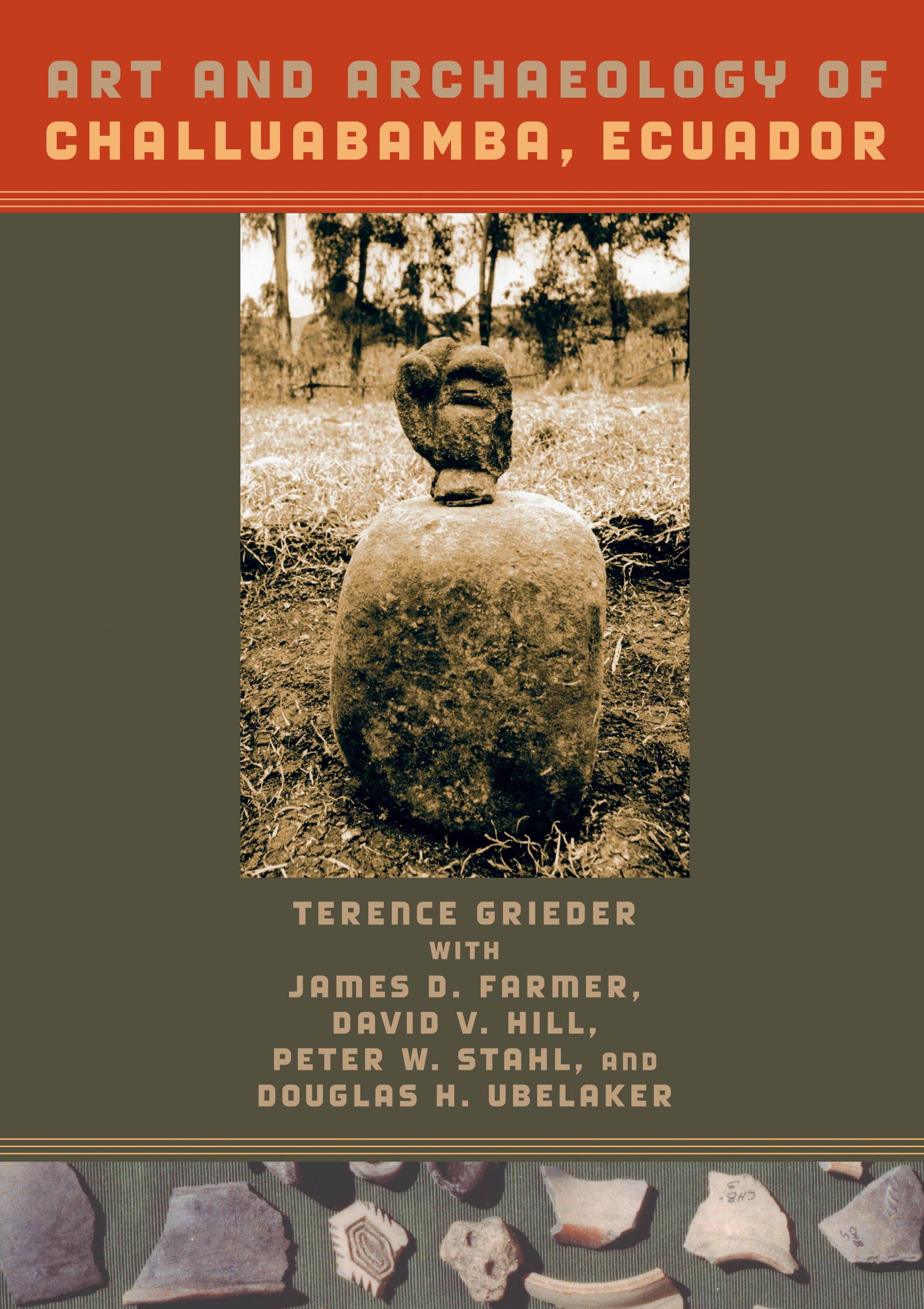
Art and Archaeology of Challuabamba, Ecuador
Challuabamba (chī-wa-bamba)—now a developing suburb of Cuenca, the principal city in the southern highlands of Ecuador—has been known for a century as an ancient site that produced exceptionally fine pottery in great quantities. Suspecting that Challuabamban ceramics might provide a link between earlier, preceramic culture and later, highly developed Formative period art, Terence Grieder led an archaeological investigation of the site between 1995 and 2001. In this book, he and the team of art historians and archaeologists who excavated at Challuabamba present their findings, which establish the community's importance as a center in a network of trade and artistic influence that extended to the Amazon River basin and the Pacific Coast. Art and Archaeology of Challuabamba, Ecuador presents an extensive analysis of ceramics dating to 2100-1100 BC, along with descriptions of stamps and seals, stone and shell artifacts, burials and their offerings, human remains, and zooarchaeology. Grieder and his coauthors demonstrate that the pottery of Challuabamba fills a gap between early and late Formative styles and also has a definite connection with later highland styles in Peru. They draw on all the material remains to reconstruct the first clear picture of Challuabamba's prehistory, including agriculture and health, interregional contacts and exchange, red-banded incised ware and ceramic production, and shamanism and cosmology. Because southern Ecuador has received relatively little archaeological study, Art and Archaeology of Challuabamba, Ecuador offers important baseline data for what promises to be a key sector of the prehistoric Andean region.
eBook
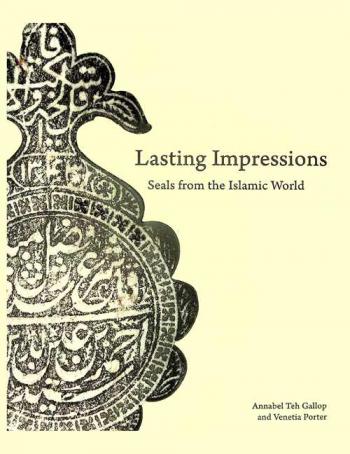

Seals - Making and Marking Connections across the Medieval World
By placing medieval sealing practices in a global and comparative perspective, the essays gathered in this volume challenge the traditional understanding of seals as tools of closure and validation in use since the dawn of civilization. Far from being a universal technique, sealing is revealed as a flexible idiom, selectively deployed to mediate entangled identities: the introduction of Buddhism in early medieval China; the Islamization of Sasanian and Byzantine cultures; even the advancement of diplomacy from northern Europe to Indonesia.
eBook