
Catalogue Search | MBRL


Are you sure you want to remove the book from the shelf?

{{itemTitle}}
531
result(s) for
"Self-culture."
Sort by:
Assessment strategies for self-directed learning
A new volume for the Experts In Assessment series focusing on assessing students' abilities as self-directed learners. Self-directed learners are defined as self-managing, self-monitoring, and self-modifying. These three dispositions need to be assessed to determine if they are being internalized and habituated over time. Arthur L Costa and Bena Kallick use \"triangulation\" to ensure that the assessment system is balanced and complete. Assessment \"triangulation\" consists of knowledge, performance, and demonstration. This book promises to gain a lot of interest and attention merely by the fact that it is authored by the Habits of Mind experts.
eBook
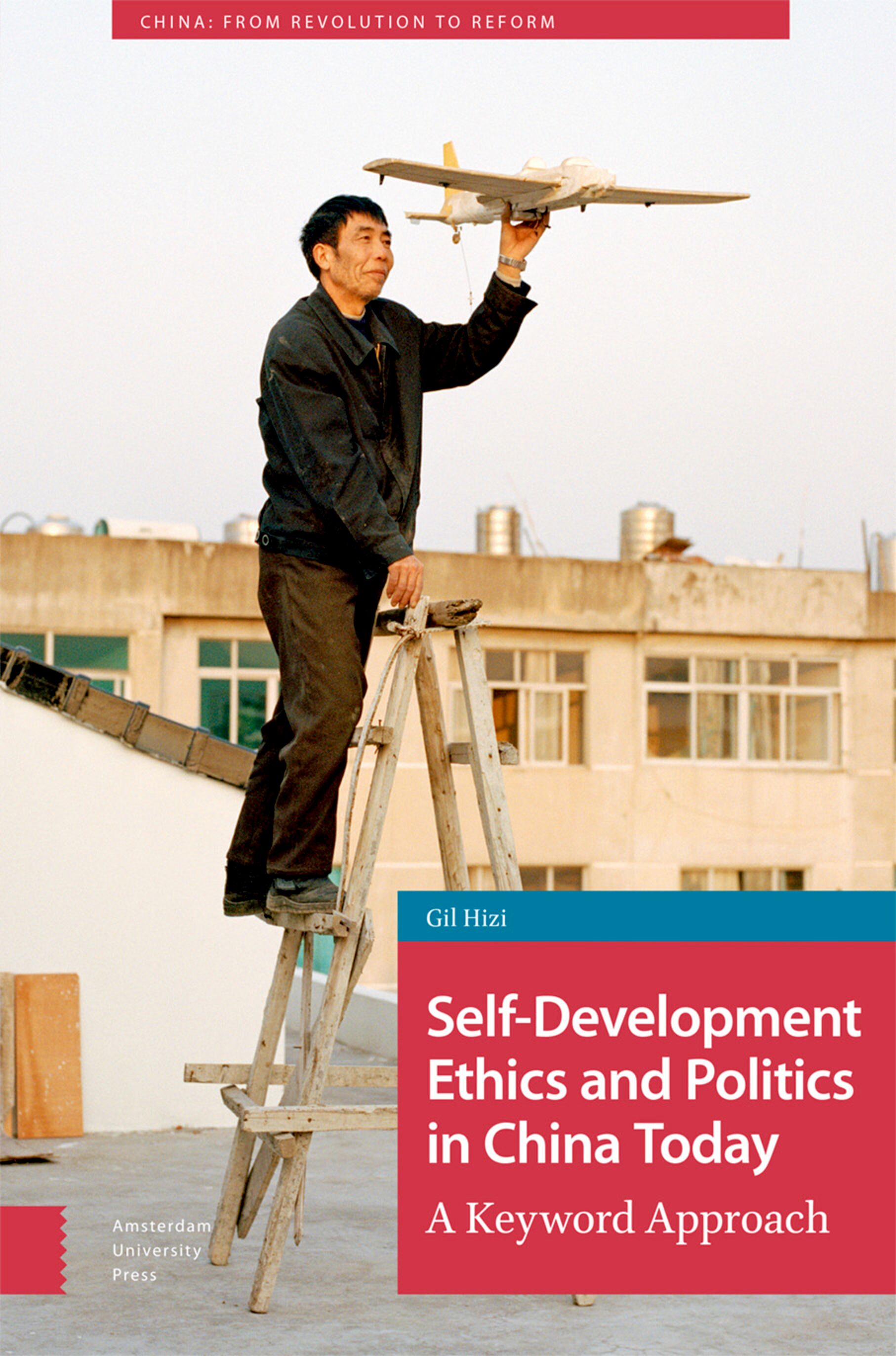
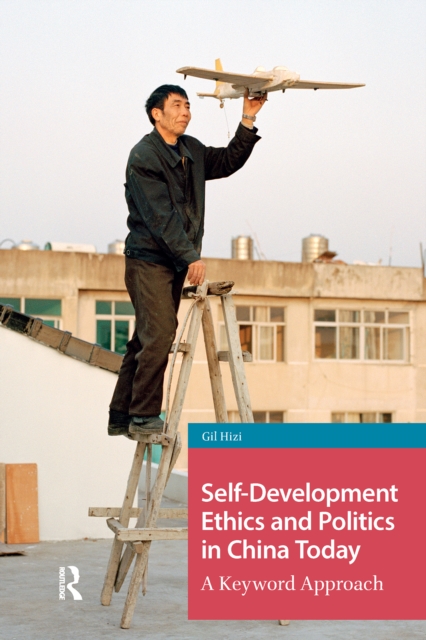
Self-Development Ethics and Politics in China Today
This volume takes readers on a journey into a central aspect of life in China, so-called \"self-development.\" Whether prompted by the cultural values of educational success, capitalist competition for wealth, or the Chinese Communist Party's prescriptions for \"good\" citizenship, few people in China are immune to the impetus to \"improve\" themselves and thus bring about a better future. Contributors to this volume, interdisciplinary sinologists, draw on materials from practices in education, labor, and self-help as they spotlight \"keywords\" by which individuals make sense of their selfdevelopment journeys - including new forms of resistance to social norms. Rather than simply classify self-development by different activities or groups, the chapters map together ethical features that cut across Chinese society. Contributors explore the nuanced and ambivalent attitudes towards self-development of individuals navigating various requirements and pursuing more complete forms of existence. In so doing, they offer a snapshot of China that intersects with timely global concerns.
eBook

Reconstructing the Lifelong Learner
How is adult learning used to produce personal, organisational and social change? This interesting examination of adult learning for change illustrates through diverse case studies and theoretical perspectives that personal change is inextricably linked to broader organisational and social change. The authors explore how theorising education as a vehicle for self-change is relevant to the practices of educators, learning specialists and others concerned with promoting learning for change. The book examines the relationship between pedagogy, identity and change, and illustrates this through a range of case studies focusing on the following: * Self-help books * Work-based learning * Corporate culture training * AIDS education * Gender education * Sex offender education. A concluding chapter discusses how writing an academic text is itself a pedagogical practice contributing to the identities of authors. This unique text will be of interest to students of education, sociology, cultural studies and change management as well as teachers, educators and professionals involved in lifelong learning or change management in any way.
eBook
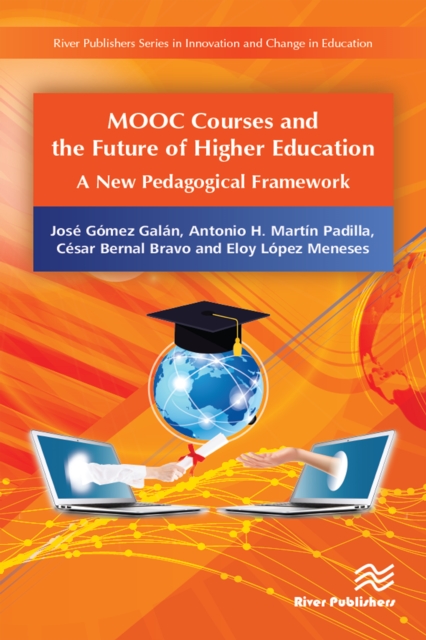
MOOC Courses and the Future of Higher Education: A New Pedagogical Framework
During the last decades, our society is witnessing an authentic revolution that, in a dizzying manner has deeply influenced, modified, and transformed the way of life of human beings. This constant and unstoppable revolution is transmuting all areas of our life: social, cultural, personal, labor, economic, training, etc. This new society is characterized by a high generation of knowledge and the constant and fluid processing of information. In this macro-context, the MOOC phenomenon emerged. MOOC (Massive Open Online Courses) courses are based on the principles of massive, free access to all materials and resources offered online. This new didactic path can be constituted in an innovative techno-social tendency, especially oriented in the panorama of Higher Education to stimulate university improvement, open opportunities at the same time for education and training or, simply, derive towards a new business model for the universities. In addition to being an entry point for the popularization of science and knowledge, the future possibilities are enormous and are being studied in all their various dimensions. Many initiatives as a result have been developed to implement this new form of education. MOOC Courses and the Future of Higher Education presents the latest research theories and current examples of MOOC courses practices in Higher Education. The chapters represent an extensive assortment of interpretations and practices examples of MOOC courses, across areas as varied as teaching methodologies, instructional innovations, educational technology, etc. This work is structured in three sections, the first one covers the university institution in the knowledge society, the second analyzes the MOOC training proposals, and the third discusses the future role of MOOCs. Technical topics discussed in the book include: • The Virtualization of Teaching in Higher Education • Training and Professional Development at the e-University • Taxonomy of MOOCs • MOOC: Strengths and Weaknesses • MOOCs and the Scientific Community: Challenges and Innovation • MOOC Platforms • Directory of MOOC Resources • MOOC: Reflections of the Future
eBook