
Catalogue Search | MBRL


Are you sure you want to remove the book from the shelf?

{{itemTitle}}
32,922
result(s) for
"Self-destructive behavior."
Sort by:

Self-neglect
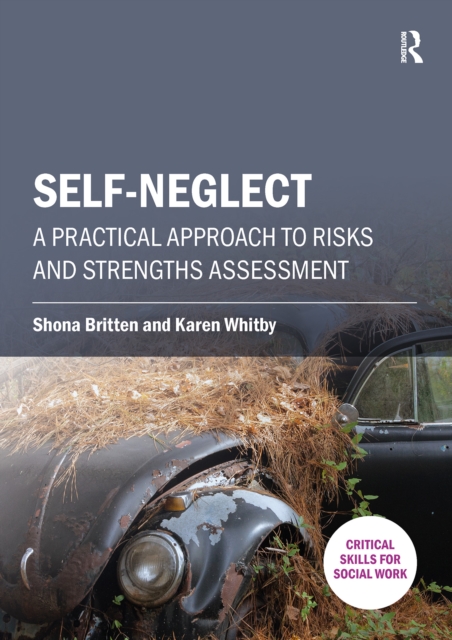
Self-neglect covers a wide range of behaviours, from neglecting to care for one's personal hygiene and health to one's surroundings; this can include behaviours such as hoarding of objects and/or animals. As presentation of self-neglect cases vary greatly, assessment and support planning should be made on an individualised case by case basis. Self-neglect describes a Risks and Strengths assessment model which has been developed by practitioners as an aid to frontline workers across all sectors, as well as agencies holding responsibilities in Safeguarding Adults. It aims to support and structure the effective, timely and consistent assessment of risk in relation to key social and healthcare factors of self-neglect both on an individual case level and at a strategic level in contributing to community/locality needs analysis and reporting mechanisms; including annual Safeguarding Adults Board Reports.
eBook


The effects of on-line systems training for emotional predictability and problem solving (STEPPS) on impulsivity and self-destructive behaviors of women with borderline personality disorder
Several cognitive behavioral therapy-based treatments have been joined by Systems Training for Emotional Predictability and Problem Solving (STEPPS). This intervention was developed for patients with borderline personality disorder (BPD). The aim was to explore the effects of On-line STEPPS on the impulsivity and self-destructive behaviors of women with BPD. In this quasi-experimental study, forty women with BPD were included and assigned to control and intervention groups. The data were collected by using Barratt impulsiveness scale (BIS) and Self-destructive Behaviors questionnaire. Both the paired sample t test and ANCOVA were also employed to analyze the data. Seventeen patients with a mean age of 27 years (SD = 4.22), completed the 20-week intervention. There were no significant differences between completers and dropouts in terms of age and the scores of BIS and Self-destructive Behaviors questionnaire. STEPPS program significantly reduced the total scores of the BIS subscales and Self-destructive Behaviors questionnaire in the intervention group (
P
< 0.001). When the intervention and control groups were compared, the post-test score of attentional impulsiveness was significantly decreased (
P
= 031/0) in interventional group, but the scores of other subscales of impulsiveness and Self-destructive Behaviors questionnaire were not significantly different (
p
> 0.05). This study demonstrated the successful implementation of the Online STEPPS program in decreasing attentional impulsiveness in women with BPD.
Journal Article

Letting go of self-destructive behaviors : a workbook of hope and healing
\"Letting Go of Self-Destructive Behaviors offers inspiring, hopeful, creative resources for the millions of male and female adolescents and adults who struggle with eating disorders, addictions, any form of self-mutilation. It is also a workbook for the clinicians who treat them. Using journaling exercises, drawing and collaging prompts, guided imagery, visualizations, and other behavioral techniques, readers will learn how to understand, compassionately work with, and heal from their behaviors rather than distracting from or fighting against them, which can dramatically reduce internal conflict and instill genuine hope. Techniques are provided in easy-to-follow exercises that focus on calming the body, containing overwhelming emotions, managing negative and distorted thoughts, re-grounding from flashbacks, addressing tension and anxiety, decreasing a sense of vulnerability, strengthening assertiveness and communication skills, and accessing inner wisdom. This workbook can be used in conjunction with Treating Self-Destructive Behaviors in Trauma Survivors, 2nd ed, also by Lisa Ferentz, to allow therapists and their clients to approach the behaviors from the same strengths-based perspective. Photocopiable workbook exercises can be completed as homework assignments or as part of a therapy session. In either case, the client is given the opportunity to process their work and share their insights with a compassionate witness and trained professional, making the healing journey even safer and more rewarding\"-- Provided by publisher.
Book

Non suicidal self injury and suicidal behavior among adolescents: co-occurrence and associated risk factors
Background
Non-suicidal self-injury (NSSI) and suicidal behavior (SB) are the major public health problems in adolescents. Despite the increased focus on these phenomena, there exist no reliable data in Nepal. This study aimed to determine the prevalence of NSSI and SB among adolescents. Furthermore the study identified the relationship between these two behaviors and assessed demographic, behavioral, and psychological risk factors of NSSI and SB in Nepalese adolescents in a representative sample of the general population.
Methods
The study was conducted among 730 adolescents studying in grade 9 to 12 of public and private schools of Pokhara Metropolitan city, Nepal. Data were collected through self administered standard tools- Functional Assessment of Self Mutilation (FASM) tool, Suicidal Behaviors Questionnaire-Revised (SBQ-R), Rosenberg self-esteem scale (RSES) and Beck Depression Inventory (BDI). Descriptive statistical measures such as frequency, percentage, mean, standard deviation, range were used to assess demographic characteristics and adolescent’s behavior regarding NSSI and suicide. For inferential analysis chi-square and one way ANOVA test was used. Furthermore, to determine the predictors of NSSI and SB, multiple logistic regression analysis was used.
Results
Regarding behavioral characteristics, nearly half of the sample 327 (44.8%) reported a history of NSSI in past 1 year. Furthermore, 25.8% (
n
= 188) of the overall sample engaged in minor NSSI only and 3.42% (
n
= 25) engaged in at least one act of moderate/severe NSSI. The mean number of type of NSSI performed was 2.63 ± 1.71. The most common type of NSSI method used were picking at wound (27.3%), biting self (20.3%), pulling hair out (11.8%), cutting self (11.1%). Boys (52.6%) were more likely to be engaged in NSSI than girls (47.4%) (
χ
2
= 10.298,
p
= 0.002). Furthermore, among 730 adolescents who completed the SBQ-R questionnaire, 131 (17.9%) had suicidal behaviors (SB) (as defined by SBQ-R a total score ≥ 7). Regarding sex differences female were significantly higher in life time prevalence of suicidal behavior than male (
χ
2
= 30.26,
p
= 0.001). Simple Chi-square tests indicated that NSSI was significantly associated with SB (
χ
2
= 58.16,
P
< .001). Logistic regressions identified the four significant predictors of NSSI behavior: male, low-level of self-esteem (SE), moderate to severe form of depression and SB. Similarly, significant predictors of SB were: female, low-level of SE, moderate to severe form of depression and NSSI behavior.
Conclusion
The prevalence of both NSSI and SB is high in adolescents. Despite the differences between NSSI and SB a significant number of adolescents reported a history of both behaviors. Lower level of SE and moderate to severe depression were the significant predictors of both NSSI and SB. Furthermore, male and adolescents with the history of SB were at risk of NSSI behavior whereas female sex and adolescents with the history of NSSI were at risk of SB.
Journal Article


The Prevalence of Self-injurious Behaviour in Autism: A Meta-analytic Study
Self-injurious behaviour is purportedly common in autism, but prevalence rates have not yet been synthesised meta-analytically. In the present study, data from 14,379 participants in thirty-seven papers were analysed to generate a pooled prevalence estimate of self-injury in autism of 42% (confidence intervals 0.38–0.47). Hand-hitting topography was the most common form of self-injury (23%), self-cutting topography the least common (3%). Sub-group analyses revealed no association between study quality, participant intellectual disability or age and overall prevalence rate of self-injury. However, females obtained higher prevalence rates than males (p = .013) and hair pulling and self-scratching were associated with intellectual disability (p = .008 and p = .002, respectively). The results confirm very high rates of self-injury in autism and highlight within group risk-markers.
Journal Article

Temporal trends in annual incidence rates for psychiatric disorders and self-harm among children and adolescents in the UK, 2003–2018
Background
There has been growing concern in the UK over recent years that a perceived mental health crisis is affecting children and adolescents, although published epidemiological evidence is limited.
Methods
Two population-based UK primary care cohorts were delineated in the Aurum and GOLD datasets of the Clinical Practice Research Datalink (CPRD). We included data from 9,133,246 individuals aged 1–20 who contributed 117,682,651 person-years of observation time. Sex- and age-stratified annual incidence rates were estimated for attention-deficit/hyperactivity disorder (ADHD) and autism spectrum disorder (ASD) (age groups: 1–5, 6–9, 10–12, 13–16, 17–19), depression, anxiety disorders (6–9, 10–12, 13–16, 17–19), eating disorders and self-harm (10–12, 13–16, 17–19) during 2003–2018. We fitted negative binomial regressions to estimate incidence rate ratios (IRRs) to examine change in incidence between the first (2003) and final year (2018) year of observation and to examine sex-specific incidence.
Results
The results indicated that the overall incidence has increased substantially in both boys and girls in between 2003 and 2018 for anxiety disorders (IRR 3.51 95% CI 3.18–3.89), depression (2.37; 2.03–2.77), ASD (2.36; 1.72–3.26), ADHD (2.3; 1.73–3.25), and self-harm (2.25; 1.82–2.79). The incidence for eating disorders also increased (IRR 1.3 95% CI 1.06–1.61), but less sharply. The incidence of anxiety disorders, depression, self-harm and eating disorders was in absolute terms higher in girls, whereas the opposite was true for the incidence of ADHD and ASD, which were higher among boys. The largest relative increases in incidence were observed for neurodevelopmental disorders, particularly among girls diagnosed with ADHD or ASD. However, in absolute terms, the incidence was much higher for depression and anxiety disorders.
Conclusion
The number of young people seeking help for psychological distress appears to have increased in recent years. Changes to diagnostic criteria, reduced stigma, and increased awareness may partly explain our results, but we cannot rule out true increases in incidence occurring in the population. Whatever the explanation, the marked rise in demand for healthcare services means that it may be more challenging for affected young people to promptly access the care and support that they need.
Journal Article